EVBatteryRecycling
Cell Diagnostics & Testing

High-Purity Black Mass Hydrometallurgy

Degraded cells become battery-grade chemicals again. Mechanical pre-treatment produces black mass; leaching, solvent extraction and crystallisation deliver lithium carbonate and nickel-cobalt sulphates at cathode-precursor purity.

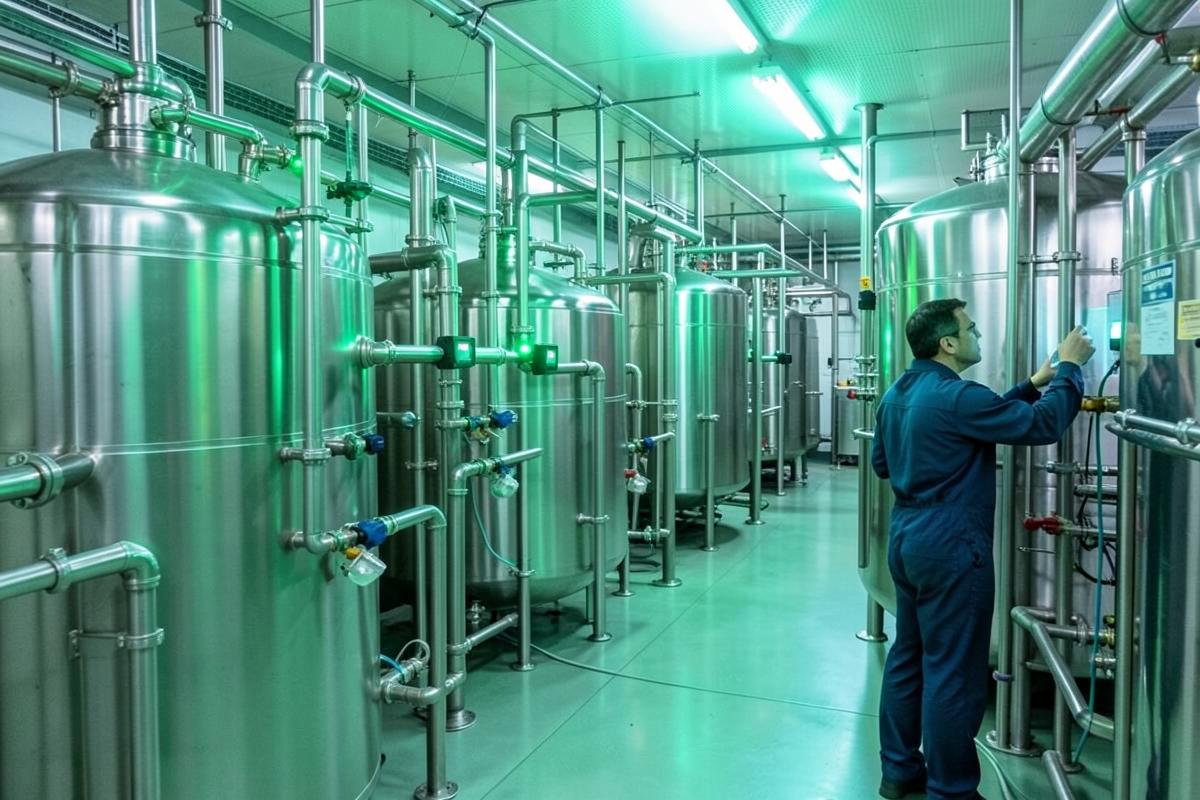
Hydrometallurgical solvent extraction vessels for battery materials

Lithium recovery

91%

As battery-grade Li2CO3

Nickel & cobalt recovery

98.2%

As sulphate salts

Product purity

99.5%

Minimum specification

CO2 vs virgin mining

72%

Lower per tonne of metal

Overview

The short version

Hydrometallurgy is how retired cells become cathode materials again. After mechanical processing turns cells into black mass, chemical processing dissolves the valuable metals and separates them into individual, high-purity products. The route runs at modest temperatures and recovers lithium far more effectively than high-temperature smelting, which is why it has become the preferred path for lithium-ion recycling.

Good results depend on the whole chain, not just the leach tank. Safe discharge and shredding protect the plant, careful separation keeps copper and aluminium out of the feed, and accurate assay sets both the process recipe and the commercial settlement. Each step is controlled and recorded so that every batch of product can be traced back to its feed.

Capabilities

What this programme includes

01

Inert-atmosphere shredding

Discharged cells shredded under nitrogen to eliminate thermal runaway risk.

02

Black mass separation

Magnetic, eddy-current and air classification recover copper, aluminium and casings.

03

Selective leaching

Sulphuric acid leach with reductant, optimised per cathode chemistry.

04

Solvent extraction

Multi-stage extraction separates cobalt, nickel and manganese streams.

05

Crystallisation

Evaporative crystallisation to saleable sulphate and carbonate products.

06

Effluent circularity

Sodium sulphate by-product recovered; process water recycled at 93%.

Workflow

How engagement runs

  1. 1

    Discharge & shred

    Residual energy removed; cells shredded in inert atmosphere.

  2. 2

    Classify

    Metallics and plastics separated; black mass screened and assayed.

  3. 3

    Leach & extract

    Acid leaching followed by staged solvent extraction of each metal.

  4. 4

    Crystallise & ship

    Battery-grade salts crystallised, dried, packed and certified.

Specification

At a glance

ParameterDetail
ProductsLi2CO3, NiSO4·6H2O, CoSO4·7H2O, MnSO4
Purity99.5% min, battery grade
FeedBlack mass, degraded cells, production scrap
Water recycling93%
AssayICP-OES per batch, COA issued
High-Purity Black Mass Hydrometallurgy — technical specification.
01

Pretreatment: making good black mass

Black mass quality decides refining cost. Cells are discharged, then shredded in a controlled atmosphere to manage fire risk. Magnetic separation removes steel, eddy-current separation removes aluminium, and air classification and screening separate foils and plastics from the fine active material.

Electrolyte and binder must also be dealt with. Thermal or other pretreatment removes organic solvents and breaks down binders, while capturing fluorine compounds so they are not released. Well-prepared black mass leaches faster and needs fewer purification steps.

  • Controlled discharge before any mechanical work
  • Shredding under controlled atmosphere
  • Separation of steel, aluminium, copper and plastics
  • Capture of electrolyte and fluorine compounds
02

Leaching, separation and product quality

Black mass is leached in acid, typically with a reducing agent, to dissolve lithium, nickel, cobalt and manganese. Impurities such as iron, aluminium and copper are removed by precipitation, and graphite is filtered out as a separate residue. Solvent extraction then separates the metals into individual solutions.

Crystallisation and precipitation turn those solutions into saleable products. Each batch is assayed against battery-grade specifications before release, because trace impurities at parts-per-million levels can affect cathode performance.

ProductRecovered asMain use
LithiumCarbonate or hydroxideCathode production
NickelNickel sulphatePrecursor for nickel-rich cathodes
CobaltCobalt sulphatePrecursor for NMC and NCA cathodes
ManganeseManganese sulphatePrecursor for NMC and LMO cathodes
GraphiteFilter residueFurther treatment or other uses
Main hydrometallurgical products and their use.

Field note

Recovery should be reported per metal against the metal contained in the feed. A single overall percentage can hide weak lithium recovery.
Answers

Technical FAQ

What is black mass in battery recycling?

Black mass is the fine powder produced after discharged lithium-ion cells are shredded and the casing, copper and aluminium are separated out. It contains the cathode and anode active materials — lithium, nickel, cobalt, manganese and graphite — and is the feedstock for hydrometallurgical refining.

How pure are metals recovered by hydrometallurgical battery recycling?

Modern hydrometallurgy delivers battery-grade purity of 99.5% or higher for lithium carbonate, nickel sulphate and cobalt sulphate, which allows recovered salts to go directly into cathode precursor production.

Why is hydrometallurgy better than smelting for lithium?

Smelting typically sends lithium to slag, where it is hard to recover. Hydrometallurgy keeps lithium in solution so it can be recovered as a separate product.

Can LFP black mass be processed the same way?

It can be leached, but its value depends mainly on lithium, and iron and phosphate need different handling, so process conditions are adjusted for LFP feed.

What happens to process water and by-products?

Water is treated and reused where possible, and by-products such as sodium sulphate are recovered for sale or managed under permit conditions.

Scope a programme with us

Share volumes, sites and reporting needs. We come back with a take-back structure, logistics plan and pricing within 48 hours.