EVBatteryRecycling
Solutions by Partner

Battery Aggregators & Scrap Handlers

Mixed lithium-ion scrap gets assayed, graded and paid on published payable curves — no opaque deductions, no rejected loads at the gate, and full CPCB paperwork for every consignment you deliver.

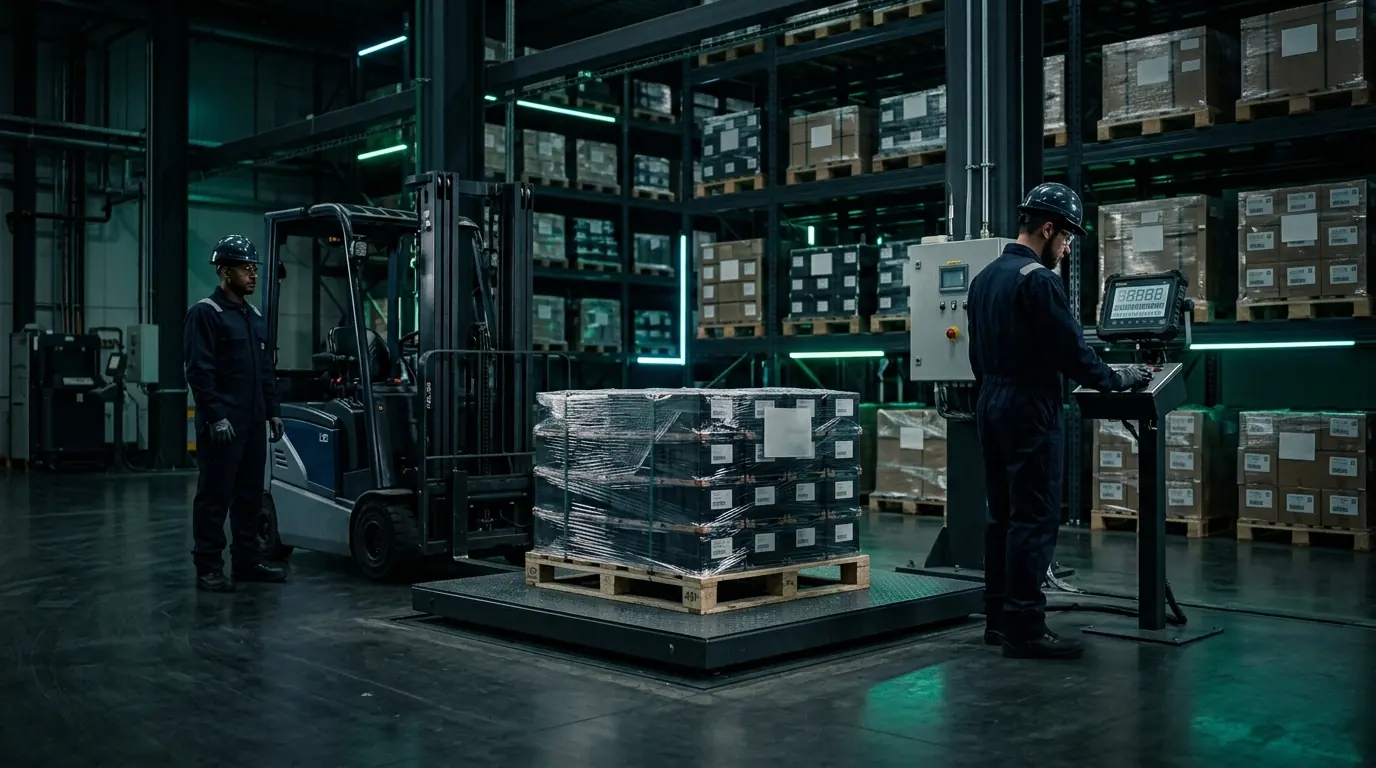
Aggregator warehouse with graded battery modules on labelled pallets being weighed on a platform scale

Registered suppliers

412

India + SE Asia

Payable transparency

100%

Published assay methodology

Gate-to-assay time

72 hrs

Independent lab split samples

Annual intake

88,000 t

Mixed Li-ion scrap

Overview

The short version

Aggregators and scrap handlers sit at the point where much of the world's battery waste actually passes through. They collect from workshops, small fleets, dismantlers and informal dealers, and they are often the first to see damaged or undocumented material. Their margins depend on accurate assay, fair payable terms and fast settlement, and their licence to operate increasingly depends on documentation.

We built our offtake terms to reward good practice. Clean, sorted, well-documented loads earn better payables and faster settlement, while mixed or poorly packaged loads are still accepted but priced for the extra handling. The aim is to make safe, formal handling the most profitable choice for handlers rather than an extra cost.

Capabilities

What this programme includes

01

Published payable curves

Nickel, cobalt and lithium payables indexed to LME and Fastmarkets, updated weekly.

02

Split-sample assay

Every load sampled in triplicate with one sealed sample available for independent umpire testing.

03

Mixed-chemistry acceptance

LFP, NMC, NCA, LMO and unsorted module scrap all accepted on graded rates.

04

Hazmat collection fleet

Class 9 compliant trucks with UN-approved containers supplied to your yard.

05

Formalisation support

Help for informal-sector handlers to obtain CPCB registration and safe-handling training.

06

Fast settlement

70% provisional payment on assay, balance on final refining reconciliation.

Workflow

How engagement runs

  1. 1

    Register & classify

    Yard registration, waste classification and sample acceptance criteria issued.

  2. 2

    Collect

    UN containers dropped at your yard; loaded consignment collected under manifest.

  3. 3

    Assay

    Triplicate sampling, moisture and metal assay, published payable curve applied.

  4. 4

    Settle

    Provisional payment in 5 days, final reconciliation after refining.

Specification

At a glance

ParameterDetail
Accepted formsCells, modules, packs, production scrap, black mass
Minimum load2 tonnes
Assay standardICP-OES, triplicate split
Payment70% provisional / 30% final
DocumentationForm 6 manifest + EPR certificate
Battery Aggregators & Scrap Handlers — technical specification.
01

What drives the price of a load

Two loads of the same weight can settle very differently. Chemistry decides the payable metals, while moisture, plastics, casings and mixed feed reduce the payable weight or add treatment cost. Sorting by chemistry before delivery is usually the single biggest improvement a handler can make, followed by removing casings and keeping material dry.

Assay is the reference for settlement, so sampling matters. Each load is homogenised and sampled in triplicate, with a sealed sample retained so either party can request an independent umpire test if results are disputed.

FactorEffect on value
Chemistry sorted by lotHigher payables, simpler refining
High moistureDeducted from payable weight
Casings and plastics left inLower metal content per tonne
Undeclared damaged cellsHandling charges and safety delays
Factors that move the settlement of a scrap load.
02

Safer yards and formal handling

Informal breaking of battery packs destroys value and creates fire and exposure risk for workers. Under India's Battery Waste Management Rules 2022, collection and handling must be done by registered entities, and customers increasingly ask for evidence of where their material went. Formal handling is becoming a condition of doing business.

We support handlers with registration guidance, yard layout advice and safe-handling training. Basic measures such as covered storage, separation by chemistry, terminal taping and a clear quarantine area reduce incidents and improve the price of every load.

  • Store below 30% state of charge where the state is known
  • Separate chemistries and damaged units
  • Keep material covered and dry
  • Record source and weight for every intake

Field note

A consistent, documented supply earns priority collection slots and faster provisional payment.
Answers

Technical FAQ

What payable rate do aggregators receive for NMC battery scrap?

Payables are quoted against contained metal from assay: typically 68–78% payable on nickel, 62–72% on cobalt and 35–45% on lithium for NMC black mass, indexed to LME and Fastmarkets, less an agreed treatment charge per tonne.

Is CPCB registration needed to supply battery scrap in India?

Yes. Under BWMR 2022 collection and handling of waste batteries requires registration with the CPCB. We provide onboarding support, safe-handling training and documentation templates to registered and registering handlers.

Do you accept undocumented or mixed loads?

Yes, but they are inspected, sorted and priced for the extra handling. Documented, sorted loads settle faster and at better terms.

Can I request an independent assay?

Yes. A sealed split sample is retained for each load, and an agreed independent laboratory can act as umpire if results are disputed.

What training do you offer yard staff?

Practical sessions on identification, safe storage, terminal protection, damage recognition and emergency response for lithium-ion material.

Scope a programme with us

Share volumes, sites and reporting needs. We come back with a take-back structure, logistics plan and pricing within 48 hours.