EV battery recycling in United States
United States commercial EV battery collection coverage spans 16 manufacturing clusters, OEM offices, metro zones and logistics gateways with traceable pickup and processing.
Covered locations
16
Serving facilities
5
Facility capacity
150,000 TPA
Commercial response
48 hrs
The battery end-of-life picture in United States
The US is building one of the world's largest battery supply chains, from Michigan and Ohio through the Tennessee–Georgia corridor to Nevada and Texas. Gigafactory ramp-ups produce large volumes of clean, single-chemistry production scrap, while early Tesla, Nissan and GM vehicles are now retiring packs in growing numbers.
With no federal EPR law for EV batteries, the market is driven by economics, universal waste and hazmat rules, and IRA incentives that reward domestically processed critical minerals. Chain-of-custody records that prove where recovered material was processed have commercial value in their own right.
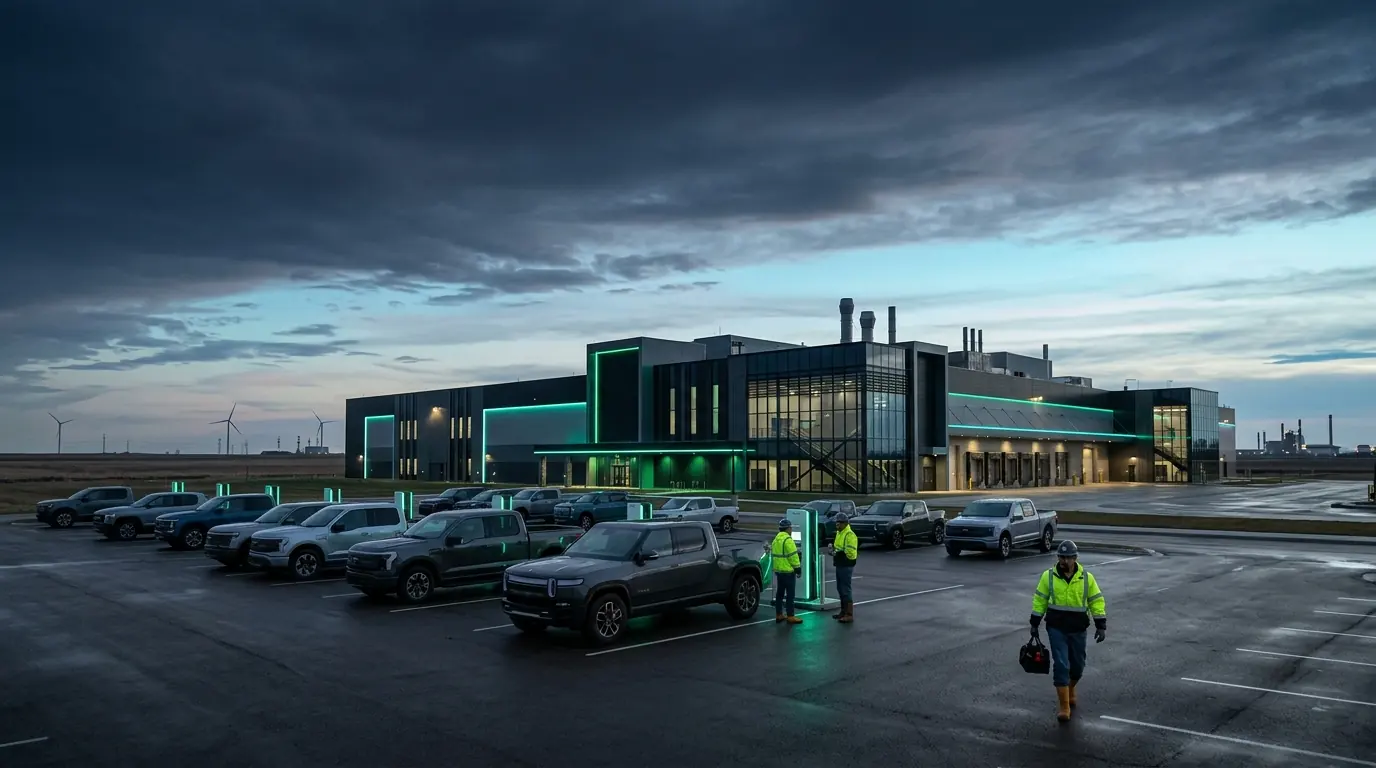
Our US network pairs a Detroit recovery campus and a Reno refinery with grading centres in Atlanta and Fremont and a logistics yard in Dallas, so packs from the Midwest, the South-East and the West Coast are graded and refined without long cross-country hauls.
What drives volume in United States
Battery belt manufacturing
Plants across Michigan, Ohio, Tennessee, Georgia and Nevada generate production scrap that needs fast, secure turnaround.
Fleet retirements
Rental, ride-hailing and delivery fleets retire packs in batches, suited to depot decommissioning programmes.
Coast-to-coast coverage
Five facilities in Michigan, Nevada, Georgia, Texas and California cover the main EV production and adoption centres.
Second-life storage
Commercial solar, EV charging buffers and backup power create steady demand for warrantied second-life modules.
What the rules require in United States
Universal waste and state rules
EPA's universal waste regulations offer a simplified route for managing spent lithium-ion batteries. Many states add their own requirements, and some are introducing EV battery producer responsibility.
DOT PHMSA transport
Shipments must be packaged, marked and documented under 49 CFR hazardous materials rules. Damaged or defective batteries need stricter packaging and, in some cases, special permits.
IRA critical minerals
Recovered materials processed in North America can count towards critical mineral sourcing requirements for vehicle tax credits. Clear processing records help OEMs support those claims.
Sites serving United States
Manufacturing and collection locations
United States: common questions
Do you take production scrap from gigafactories?
Yes. Clean, single-chemistry scrap is a priority feedstock, and we can set up dedicated containers and scheduled pickups at plant level.
Can you document material for IRA sourcing claims?
We provide chain-of-custody and processing records that show where material was recovered and refined, which OEMs can use to support their sourcing documentation.
Are damaged packs accepted?
Yes, under a separate damaged-and-defective protocol with specialised packaging and routing to sites equipped for them.
Collecting in United States?
Tell us where the packs are and we route them to the nearest site with the right paperwork for the jurisdiction.