Roles across the value chain
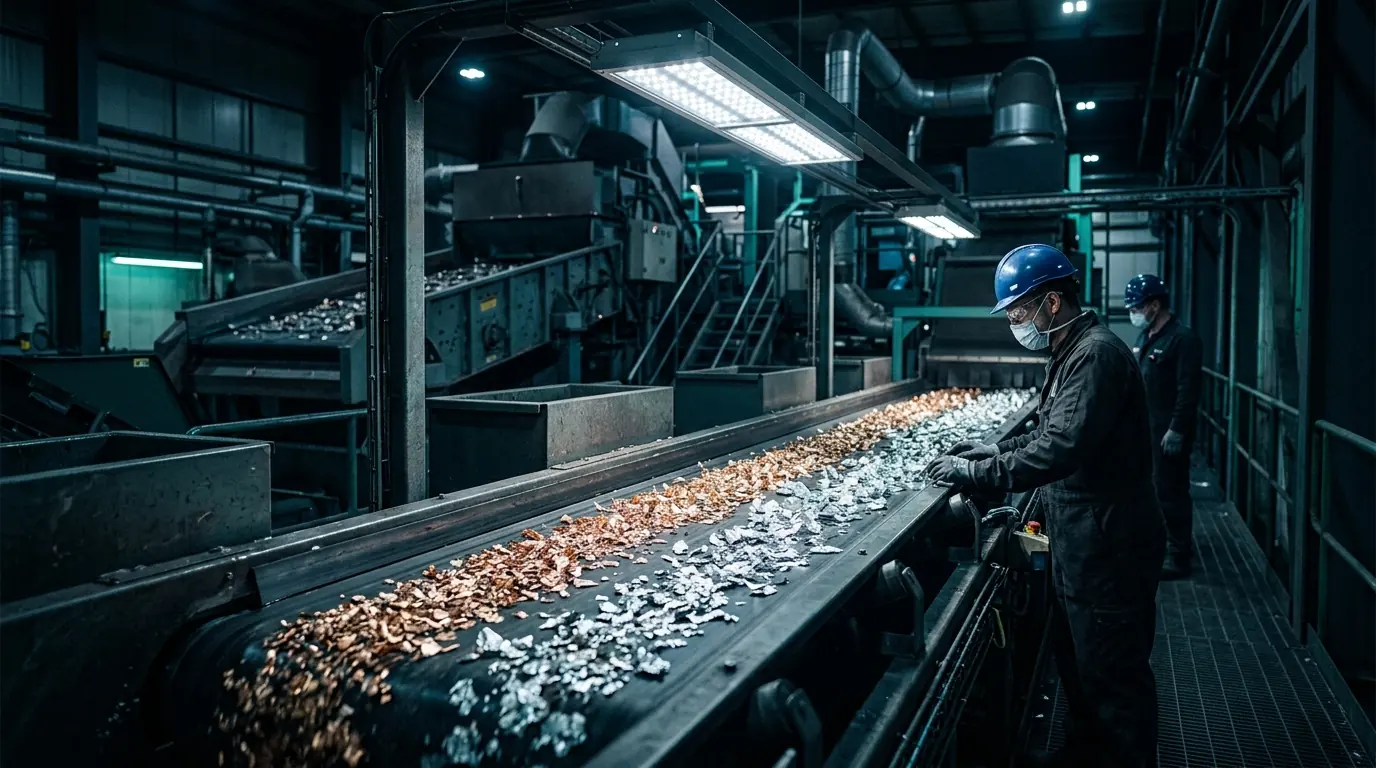
Battery recycling touches many disciplines. Technicians remove and disassemble packs safely. Test engineers run grading benches and interpret capacity and impedance data. Process engineers and chemists design and operate refining circuits. Logistics specialists manage dangerous goods movements, and compliance staff handle permits, certificates and reporting.
Data roles are growing too. Grading generates large volumes of test data, and linking it to serial numbers, pricing and passport records needs people who can build reliable data pipelines and analysis tools.
| Role | Typical background | Key skill |
|---|---|---|
| High-voltage technician | Automotive or electrical trades | Safe isolation and disassembly |
| Test engineer | Electrical or battery engineering | Cycler and impedance testing |
| Hydrometallurgist | Chemical or metallurgical engineering | Leaching and separation processes |
| Dangerous goods specialist | Logistics or freight | Transport classification and documentation |
| Data engineer | Software or data science | Test data pipelines and traceability |
Training that opens doors
For hands-on roles, recognised high-voltage safety training is usually required before working on EV packs. Many employers also expect dangerous goods awareness, manual handling, fire safety and first aid training. Further certifications follow for specific equipment and processes.
Professional roles benefit from knowledge of battery chemistry, electrochemical testing and relevant regulation. Short courses on the EU Battery Regulation, India's Battery Waste Management Rules or dangerous goods codes can make candidates stand out.
- High-voltage electrical safety for EV systems
- Dangerous goods awareness or qualification
- Fire safety and emergency response
- Battery testing and data analysis
- Environmental and waste regulation
Moving in from other industries
Automotive service technicians bring pack handling experience. Chemical and mining engineers bring process knowledge that applies directly to refining. Waste management professionals understand permits, mass balance and site operations. With targeted training, many of these skills transfer quickly.
Employers generally value safety discipline and attention to documentation as highly as technical knowledge, because both are central to operating a compliant battery site.