Myth: EV batteries end up in landfill
In regulated markets, lithium-ion batteries are controlled waste. India's Battery Waste Management Rules 2022 require producers to meet collection and recycling obligations, and the EU Battery Regulation prohibits the landfilling or incineration of waste batteries collected under its scheme. Retired EV packs are also valuable, which gives owners a strong financial reason to route them to recyclers or second-life operators rather than discard them.
That does not mean every battery is handled well. Informal dismantling still happens in some markets, where unsafe manual breaking destroys value and exposes workers to serious hazards, and smaller consumer batteries are sometimes thrown away with general waste. The answer is better collection infrastructure, clear incentives and consistent enforcement, rather than an assumption that EV packs are routinely buried in landfill sites.
Myth: recycling is just shredding
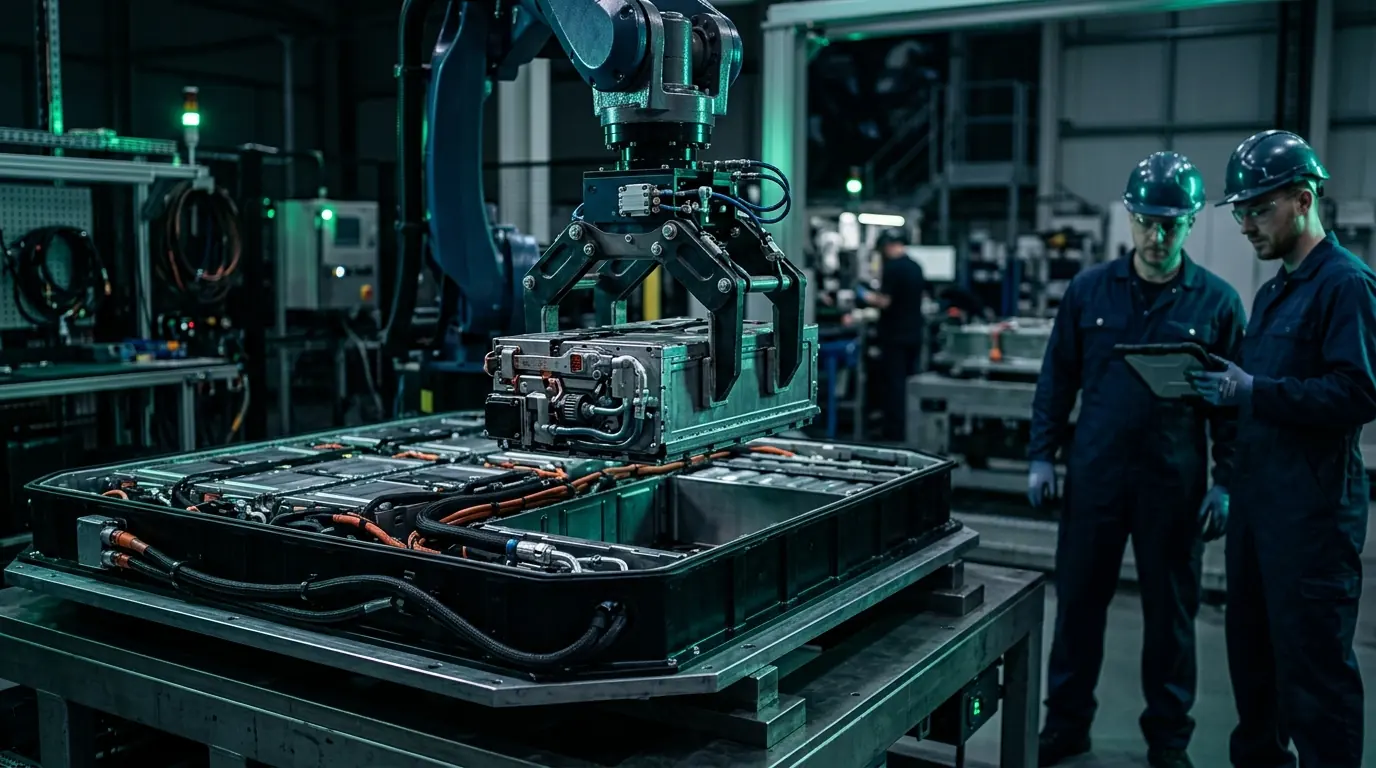
Shredding is only one stage. Before it, packs are discharged, inspected and often dismantled, with reusable modules removed for second-life applications. After shredding, mechanical separation produces black mass, copper and aluminium foils, plastics and casing materials, and refining then turns the black mass into individual metal salts at the purity cell manufacturers require for new batteries. Those salts then re-enter the supply chain as feedstock for fresh cathode material.
Each stage relies on specific technology and controls. Hydrometallurgical refining, for example, uses leaching, impurity removal, solvent extraction and crystallisation to recover nickel, cobalt, manganese and lithium as separate products. Describing this chain as shredding is a little like describing steelmaking as melting, and it hides the engineering that determines how much value and material is actually recovered. Two plants that both shred can deliver very different recovery outcomes.
- Discharge and intake inspection
- Dismantling and second-life grading
- Shredding and mechanical separation
- Hydrometallurgical refining to battery-grade salts
Myth: recycling uses more energy than it saves
Recycling does consume energy and reagents, but recovering metals from black mass generally avoids a large share of the environmental impact of mining and primary refining. The exact balance depends on the process route, the energy mix powering the plant and the transport distances involved, so it should be assessed with a proper lifecycle analysis rather than assumed in either direction by advocates or critics.
Second-life reuse adds further benefit by extending the useful life of cells before any material processing happens at all. The most responsible approach is to reuse whatever can be reused safely, recycle the remainder efficiently and report outcomes transparently, per metal and per stream, so that environmental claims can be checked rather than simply taken on trust. Transparent reporting is also what makes those claims useful to buyers and regulators.