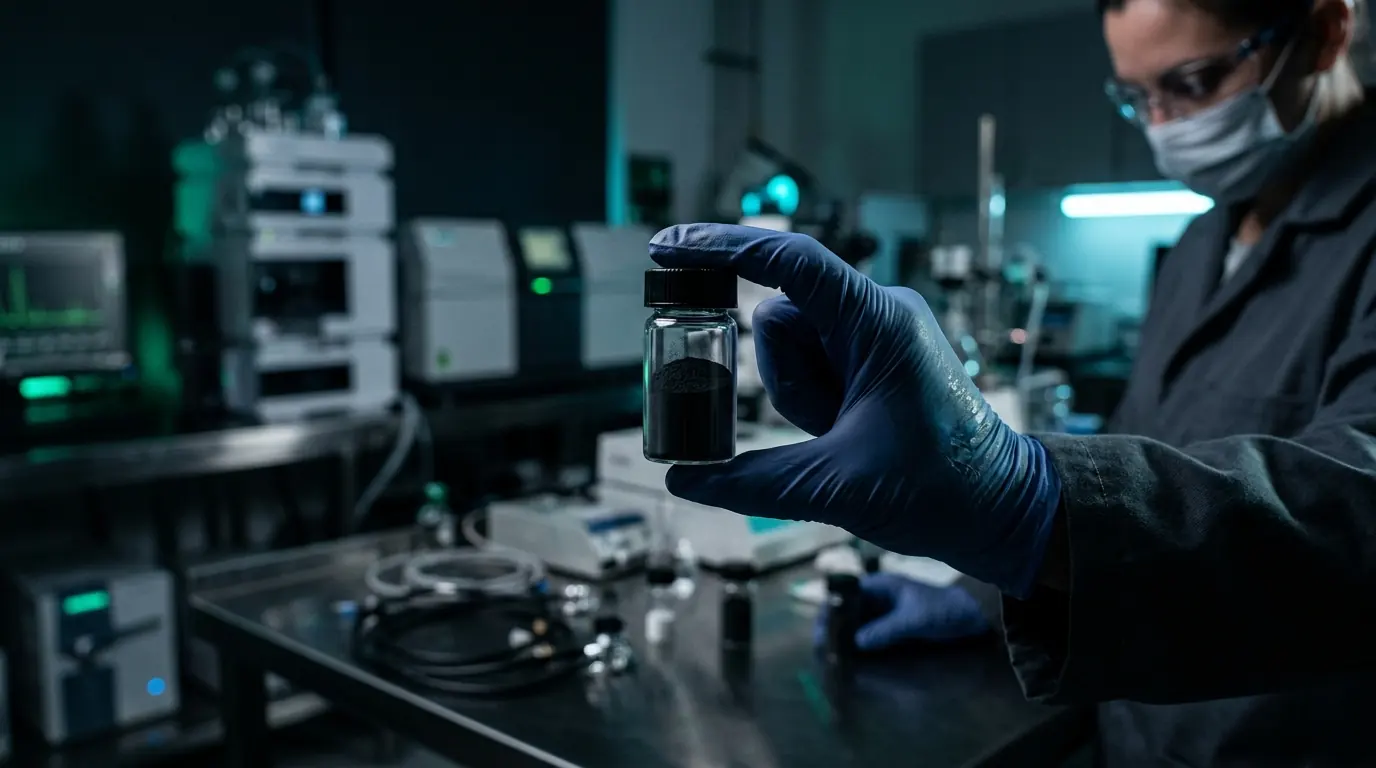
What the site does
Gurugram sits at the centre of the National Capital Region's automotive belt, a short drive from the Manesar and IMT Bawal manufacturing clusters and from the regional service networks of India's largest passenger-vehicle makers. The hub opened in Sector 34 in 2019 so that NCR fleets, dealers and component suppliers could have packs graded close to where they are removed, rather than trucking them hundreds of kilometres south before anyone knows what they are worth.
As a diagnostics site it receives whole packs and modules, never black mass. Its 18,000 TPA of bench capacity is weighted towards passenger-car and ride-hailing fleet packs, but a growing share of intake is e-rickshaw and two-wheeler batteries consolidated from Delhi and western Uttar Pradesh. Modules that pass grading are released to second-life works in the north; the rest are consolidated and dispatched for black mass production elsewhere in the network.
What arrives at the gate
Feedstock at Gurugram, Haryana reflects its catchment and plant type. Every consignment is weighed, photographed and logged against the originating manifest before it enters the process area.
- Passenger-car packs from NCR dealer and service networks
- Ride-hailing and corporate fleet retirements
- Warranty and field returns from component suppliers in Manesar
- E-rickshaw and two-wheeler packs aggregated across Delhi NCR
The process, step by step
The 3 operating lines — module soh bench, eis diagnostics laboratory, ai optical cell grading — run the sequence below.
| Stage | What happens |
|---|---|
| Intake & safety triage | Packs are logged, thermally imaged and screened for swelling, coolant ingress or venting before entering the bench area. |
| Controlled de-energising | Residual energy is discharged to a safe state of charge with regenerative load banks and recorded per serial number. |
| Module-level capacity test | Full charge-discharge cycling at C/3 establishes usable capacity, internal resistance and cell-to-cell balance. |
| EIS fingerprinting | 1 mHz–10 kHz impedance sweeps separate SEI growth, lithium plating and contact resistance degradation modes. |
| AI optical inspection | Machine-vision inspection of busbars, welds and cell cans flags mechanical defects that block second-life reuse. |
| Grade assignment | Grade A (≥85% SOH), B (75–85%), C (65–75%) and D routes are assigned, with D-grade material released to refining. |
What sets the site apart
Fleet-scale bench rows. Parallel capacity-test channels let a complete fleet retirement be graded as one batch, so every pack in the batch is reported and settled together.
EPR hotline desk. The network's NCR compliance hotline is staffed from this site, so producers can resolve certificate questions with the team that graded their material.
Urban-safe routing. No shredding happens here. Modules below reuse threshold are consolidated and sent on, keeping black mass production out of a dense urban catchment.
Where material goes next
Material that Gurugram, Haryana does not finish on site moves to the nearest specialist facility in the network, keeping transport distances and dwell times down.
| Facility | Role | Distance |
|---|---|---|
| Ludhiana — Mandi Gobindgarh Second-Life Works | Second-Life BESS Works | 298 km |
| Kolkata — Haldia Refining Works | Hydrometallurgical Refinery | 1,318 km |
Field note