NCR — Gurugram Collection & Grading Hub
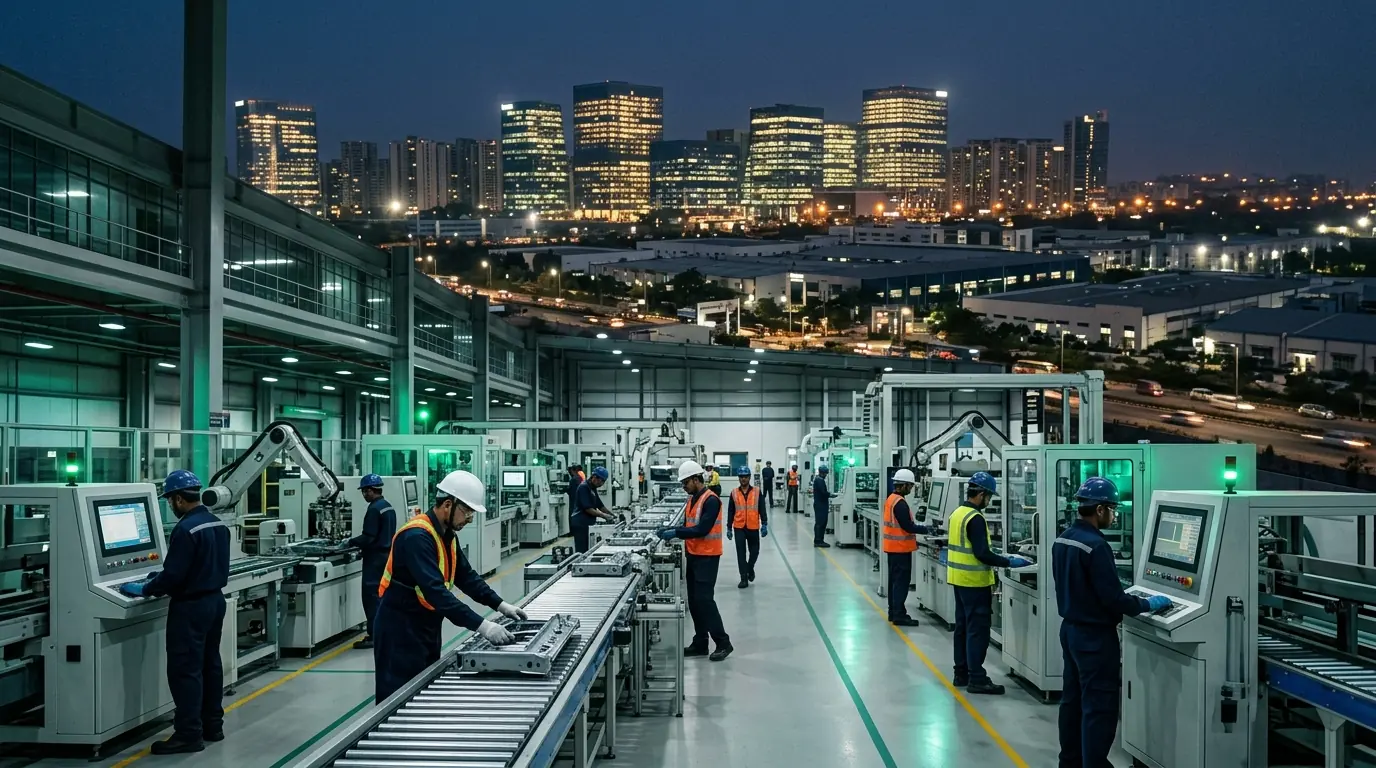
Gurugram, Haryana facility: diagnostics centre running module-level SOH, impedance and optical grading to split reuse from refining. Rated at 18,000 tonnes per annum and operating since 2019.
Annual capacity
18,000 TPA
Operating lines
3
Cities collected
21
In operation since
2019
About the Gurugram, Haryana facility
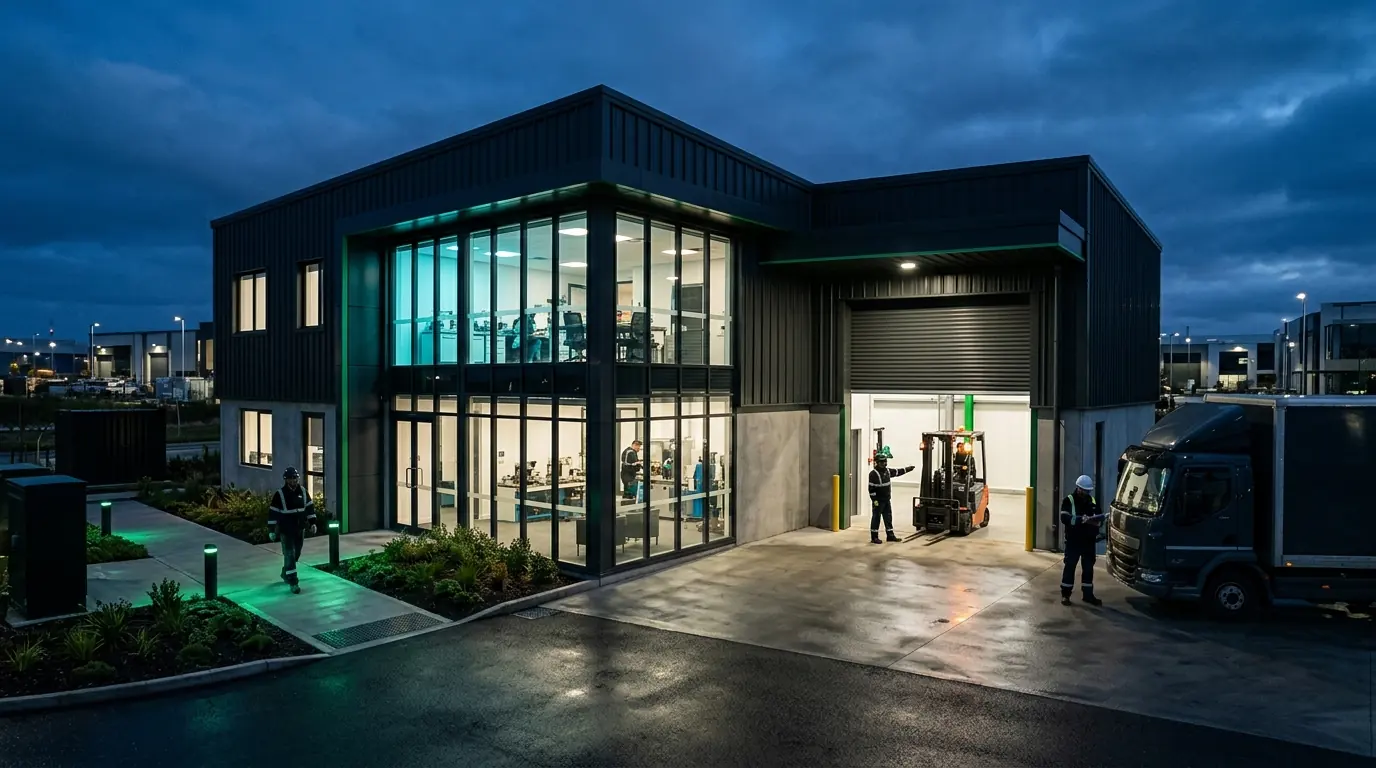
Gurugram sits at the centre of the National Capital Region's automotive belt, a short drive from the Manesar and IMT Bawal manufacturing clusters and from the regional service networks of India's largest passenger-vehicle makers. The hub opened in Sector 34 in 2019 so that NCR fleets, dealers and component suppliers could have packs graded close to where they are removed, rather than trucking them hundreds of kilometres south before anyone knows what they are worth.
As a diagnostics site it receives whole packs and modules, never black mass. Its 18,000 TPA of bench capacity is weighted towards passenger-car and ride-hailing fleet packs, but a growing share of intake is e-rickshaw and two-wheeler batteries consolidated from Delhi and western Uttar Pradesh. Modules that pass grading are released to second-life works in the north; the rest are consolidated and dispatched for black mass production elsewhere in the network.
What arrives at the gate
What sets this site apart
Fleet-scale bench rows
Parallel capacity-test channels let a complete fleet retirement be graded as one batch, so every pack in the batch is reported and settled together.
EPR hotline desk
The network's NCR compliance hotline is staffed from this site, so producers can resolve certificate questions with the team that graded their material.
Urban-safe routing
No shredding happens here. Modules below reuse threshold are consolidated and sent on, keeping black mass production out of a dense urban catchment.
What happens to material here
- 1
Intake & safety triage
Packs are logged, thermally imaged and screened for swelling, coolant ingress or venting before entering the bench area.
- 2
Controlled de-energising
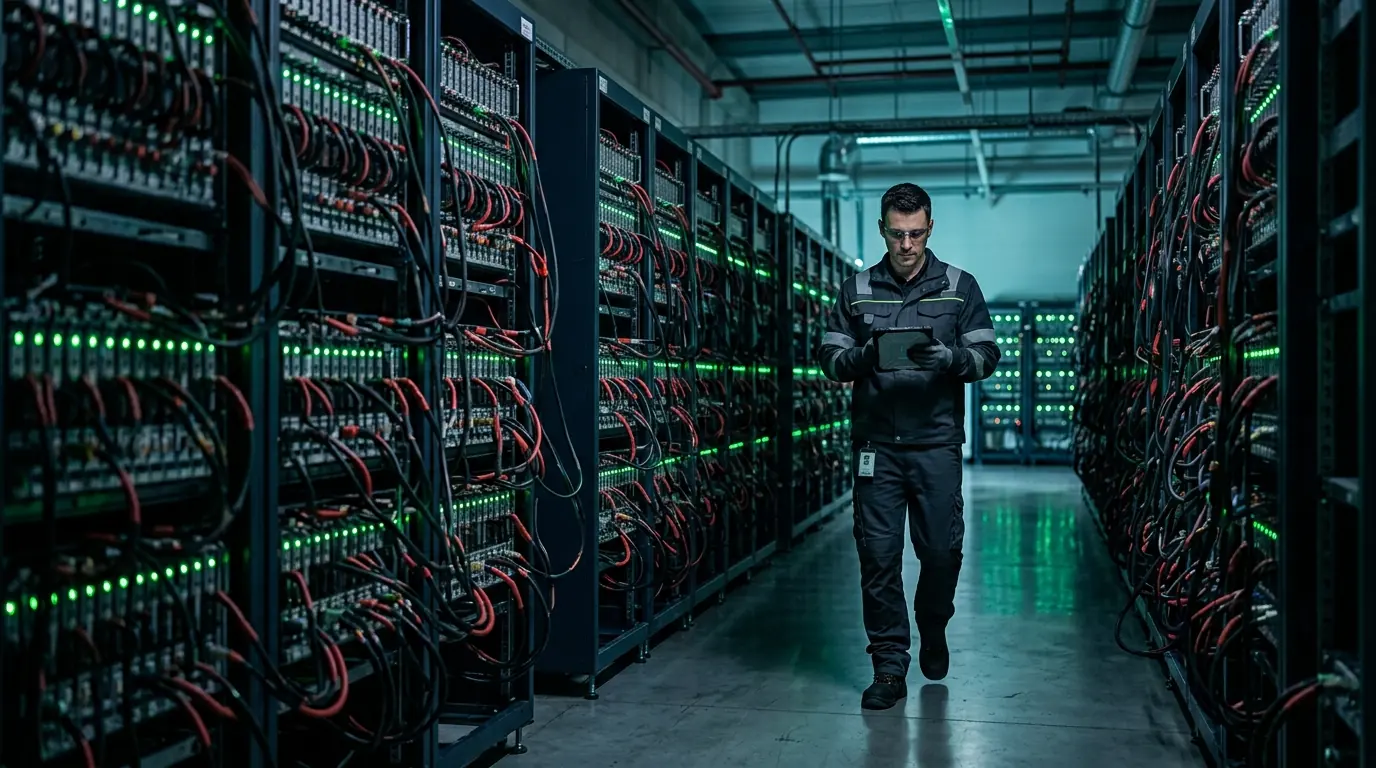
Residual energy is discharged to a safe state of charge with regenerative load banks and recorded per serial number.
- 3
Module-level capacity test
Full charge-discharge cycling at C/3 establishes usable capacity, internal resistance and cell-to-cell balance.
- 4
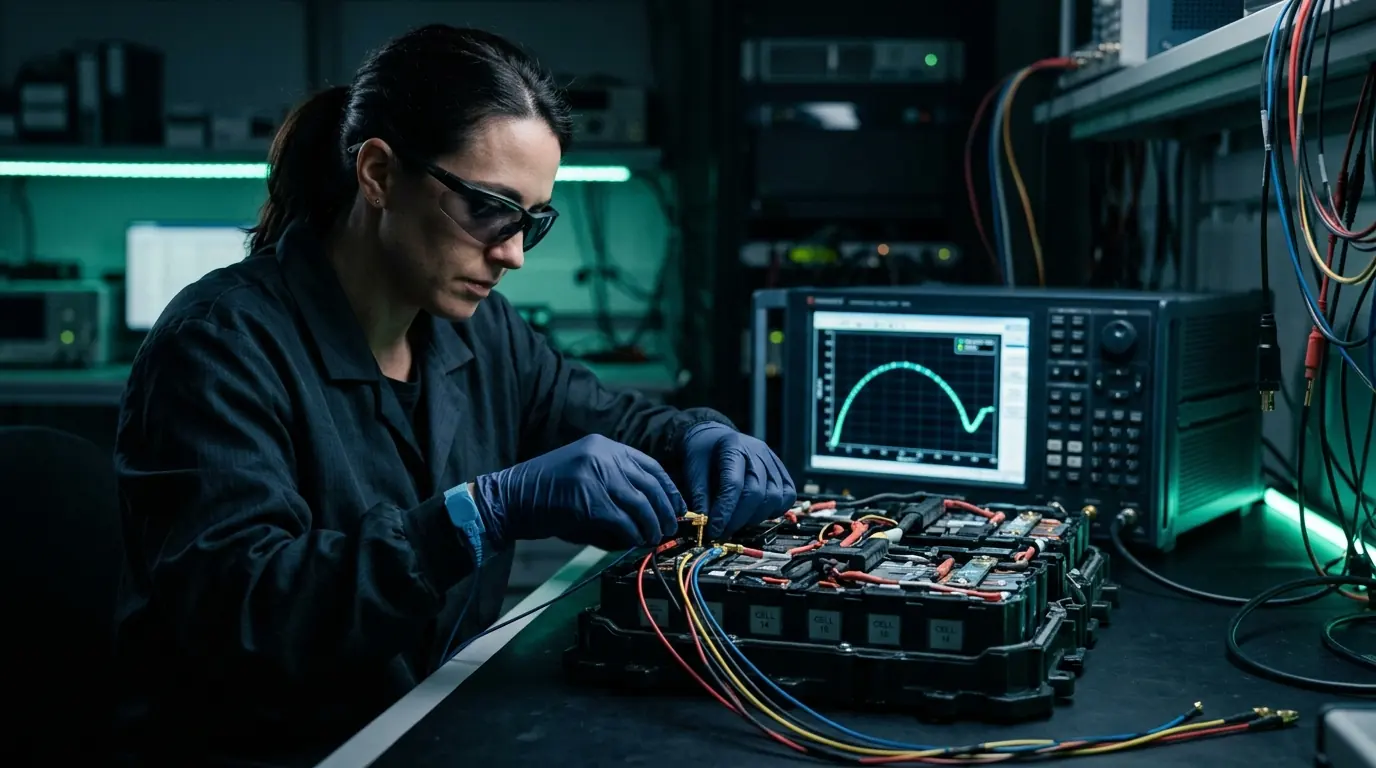
EIS fingerprinting
1 mHz–10 kHz impedance sweeps separate SEI growth, lithium plating and contact resistance degradation modes.
- 5
AI optical inspection
Machine-vision inspection of busbars, welds and cell cans flags mechanical defects that block second-life reuse.
- 6
Grade assignment
Grade A (≥85% SOH), B (75–85%), C (65–75%) and D routes are assigned, with D-grade material released to refining.
Where material goes next
| Role | Facility | Distance |
|---|---|---|
| Second-Life BESS Works | Ludhiana — Mandi Gobindgarh Second-Life Works | 298 km |
| Hydrometallurgical Refinery | Kolkata — Haldia Refining Works | 1,318 km |
| Integrated Recovery Campus | Pune — Chakan Industrial Recovery Campus | 1,121 km |
Local rules
Battery Waste Management Rules 2022 (BWMR) · Central Pollution Control Board (CPCB) and State Pollution Control Boards
The hub operates under consent conditions from the Haryana State Environment Protection Council and HSPCB, and grades material for producers registered on the CPCB EPR portal under the Battery Waste Management Rules 2022. Movement of spent lithium-ion packs within NCR follows national dangerous-goods practice for UN 3480 and UN 3481, and interstate consignments from Delhi or Rajasthan carry e-way bills and a declared waste description.
Before you book into Gurugram, Haryana
- Heavy vehicles are given fixed arrival windows outside NCR peak traffic hours; tell us if your site has its own gate timings.
- Palletise packs with terminals taped and service disconnects removed before the truck arrives, so unloading takes minutes rather than hours.
- Swollen, dented or water-exposed packs must be declared at booking so a quarantine bay is reserved before arrival.
- Fleet batches above 20 packs are graded in a dedicated row and reported as a single batch for settlement.
Damaged or defective packs are handled under a separate quarantine protocol — flag them in the form and the team calls you back the same day.
Gurugram, Haryana site: common questions
Does the Gurugram hub accept e-rickshaw batteries?
Yes. Lithium e-rickshaw packs aggregated across Delhi NCR are accepted. They are most economical when an aggregator consolidates them, so a single load justifies a scheduled collection.
Can NCR producers get help with EPR certificates here?
Yes. The EPR hotline team is based at this site and can explain the certificates generated from your consignments and how they relate to your obligations on the CPCB portal.
What are the opening hours at Gurugram, Haryana?
Monday to Friday 08:00 – 20:00, Saturday 08:00 – 16:00. Sunday: emergency and damaged-pack intake only, by prior booking.
How do I book a collection into Gurugram, Haryana?
Use the booking button on this page with pack counts, chemistry and condition. The despatch desk confirms a window within one working day and ships UN-approved packaging before collection.