Citroen eC3 battery recycling in Gurugram, Haryana
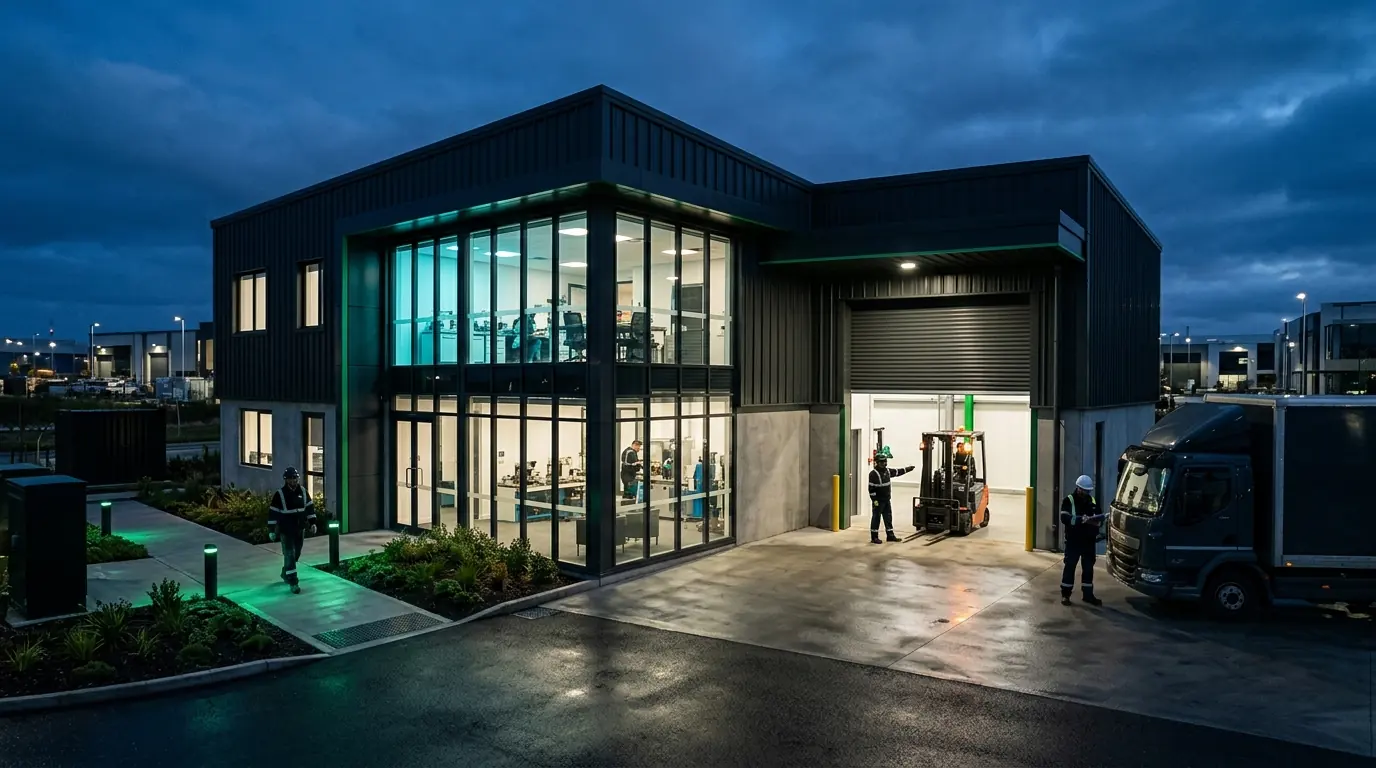
Gurugram, Haryana is a diagnostics site: Citroen eC3 packs arrive here from intake yards for module-level capacity, resistance and impedance testing, which decides reuse or refining.
Pack value at 80% SOH
935 USD
Hybrid Split
Second-life share
56%
At 80% SOH
Site capacity
18,000 TPA
Cell Grading & Diagnostics
Cities served
21
From Gurugram, Haryana
Where a Citroen eC3 pack goes from Gurugram, Haryana
- 1
Collected via Narela, Delhi
Whole packs enter the network at Delhi — Narela Collection Yard, 48 km away, where they are weighed and de-energised.
- 2
Module grading at Gurugram, Haryana
All 10 modules are tested for capacity, DC resistance and impedance, then assigned grade A to D.
- 3
Second life at Mandi Gobindgarh, Punjab
At 80% SOH about 56% of the pack qualifies for reuse and goes to Ludhiana — Mandi Gobindgarh Second-Life Works (298 km). Excellent — long calendar life makes LFP the preferred feedstock for stationary BESS repurposing.
- 4
Refined at Haldia, West Bengal
Remaining modules are shredded to black mass and refined at Kolkata — Haldia Refining Works, 1,318 km away.
| Stage | Facility | Distance |
|---|---|---|
| Nearest intake yard | Delhi — Narela Collection Yard | 48 km |
| Nearest second-life works | Ludhiana — Mandi Gobindgarh Second-Life Works | 298 km |
| Nearest refinery | Kolkata — Haldia Refining Works | 1,318 km |
Faster option
Inside the Citroen eC3 battery
The Citroen eC3 (2023) carries a 29.2 kWh LFP Prismatic (LiFePO4) pack with 10 modules at 320 V, weighing roughly 216 kg. Cobalt-free prismatic chemistry dominant in Indian passenger EVs and commercial fleets. Low black mass value, exceptional second-life economics.
| Service year | SOH | Grade | Value |
|---|---|---|---|
| Year 2 | 95.6% | A — BESS ready | USD 1,522 |
| Year 4 | 92.5% | A — BESS ready | USD 1,474 |
| Year 6 | 89.4% | A — BESS ready | USD 1,426 |
| Year 8 | 86.3% | A — BESS ready | USD 1,362 |
| Year 10 | 83.2% | B — Second life | USD 1,143 |
What the chemistry means here
How it ages
LFP fades slowly and fairly linearly for most of its life. Capacity loss is driven mainly by lithium inventory being locked up in the SEI layer on the graphite anode, while the cathode structure stays largely intact.
Thermal behaviour
LFP's olivine cathode holds its oxygen tightly, so thermal runaway typically starts at higher temperatures than nickel-rich cells and releases noticeably less heat. It is not inert: a failing LFP cell still vents flammable electrolyte vapour and hydrogen, and large prismatic cans store a lot of energy in one place.
Handling LFP Prismatic
Collecting a Citroen eC3 pack
29.2 kWh, 10 modules, about 216 kg — this is how the Gurugram, Haryana team plans the job.

Removal
Packs are dropped on a vehicle lift using the OEM procedure and a rated battery table, then isolated at the service disconnect.
Packaging
One pack per UN-rated pallet box, strapped and restrained, with terminals capped and coolant ports sealed.
Consolidation
Dealer and workshop returns are consolidated into full truckloads, typically eight or more packs per run.
Before the truck arrives
- Pull the service disconnect and record pack voltage
- Drain or cap coolant lines before lifting
- Photograph the pack casing and any impact damage
- Keep the VIN and pack serial together on the manifest
Gurugram, Haryana site notes
- Heavy vehicles are given fixed arrival windows outside NCR peak traffic hours; tell us if your site has its own gate timings.
- Palletise packs with terminals taped and service disconnects removed before the truck arrives, so unloading takes minutes rather than hours.
- Swollen, dented or water-exposed packs must be declared at booking so a quarantine bay is reserved before arrival.
- Fleet batches above 20 packs are graded in a dedicated row and reported as a single batch for settlement.
What this pack yields
lithium
2.17 kg
nickel
0 kg
cobalt
0 kg
manganese
0 kg
copper
6.55 kg
aluminium
7.82 kg
Refining-route estimate at 80% SOH. Measured module health on the bench sets the final split.
Rules in India
Battery Waste Management Rules 2022 (BWMR)
Regulator: Central Pollution Control Board (CPCB) and State Pollution Control Boards
The hub operates under consent conditions from the Haryana State Environment Protection Council and HSPCB, and grades material for producers registered on the CPCB EPR portal under the Battery Waste Management Rules 2022. Movement of spent lithium-ion packs within NCR follows national dangerous-goods practice for UN 3480 and UN 3481, and interstate consignments from Delhi or Rajasthan carry e-way bills and a declared waste description.
Citroen eC3 in Gurugram, Haryana: common questions
Can I drop off a Citroen eC3 battery at Gurugram, Haryana?
Gurugram, Haryana is a cell grading & diagnostics and does not accept whole packs from customers. Book a collection and the pack enters the network at Narela, Delhi, 48 km away.
What happens to Citroen eC3 modules after Gurugram, Haryana?
Collected via Narela, Delhi, then Module grading at Gurugram, Haryana, then Second life at Mandi Gobindgarh, Punjab, then Refined at Haldia, West Bengal. At 80% SOH roughly 56% of the pack goes to second life and the rest is refined.
How should a Citroen eC3 pack be prepared for pickup?
Pull the service disconnect and record pack voltage. Drain or cap coolant lines before lifting. Photograph the pack casing and any impact damage. Keep the VIN and pack serial together on the manifest.
Which rules apply to Citroen eC3 recycling in India?
Battery Waste Management Rules 2022 (BWMR), overseen by Central Pollution Control Board (CPCB) and State Pollution Control Boards. Retired packs move as hazardous goods by road under central motor vehicle rules, and export needs Basel-compliant permissions.
Cities collected by Gurugram, Haryana
Citroen eC3 at other sites
Retiring Citroen eC3 packs near Gurugram, Haryana?
Share pack counts and condition. The despatch desk confirms a collection window within one working day and sends the right packaging.