Rotterdam, South Holland hydrometallurgical refinery
How Rotterdam — Maasvlakte Refining Works turns black mass into battery-grade salts — inputs, process chemistry, outputs and where its feed comes from.
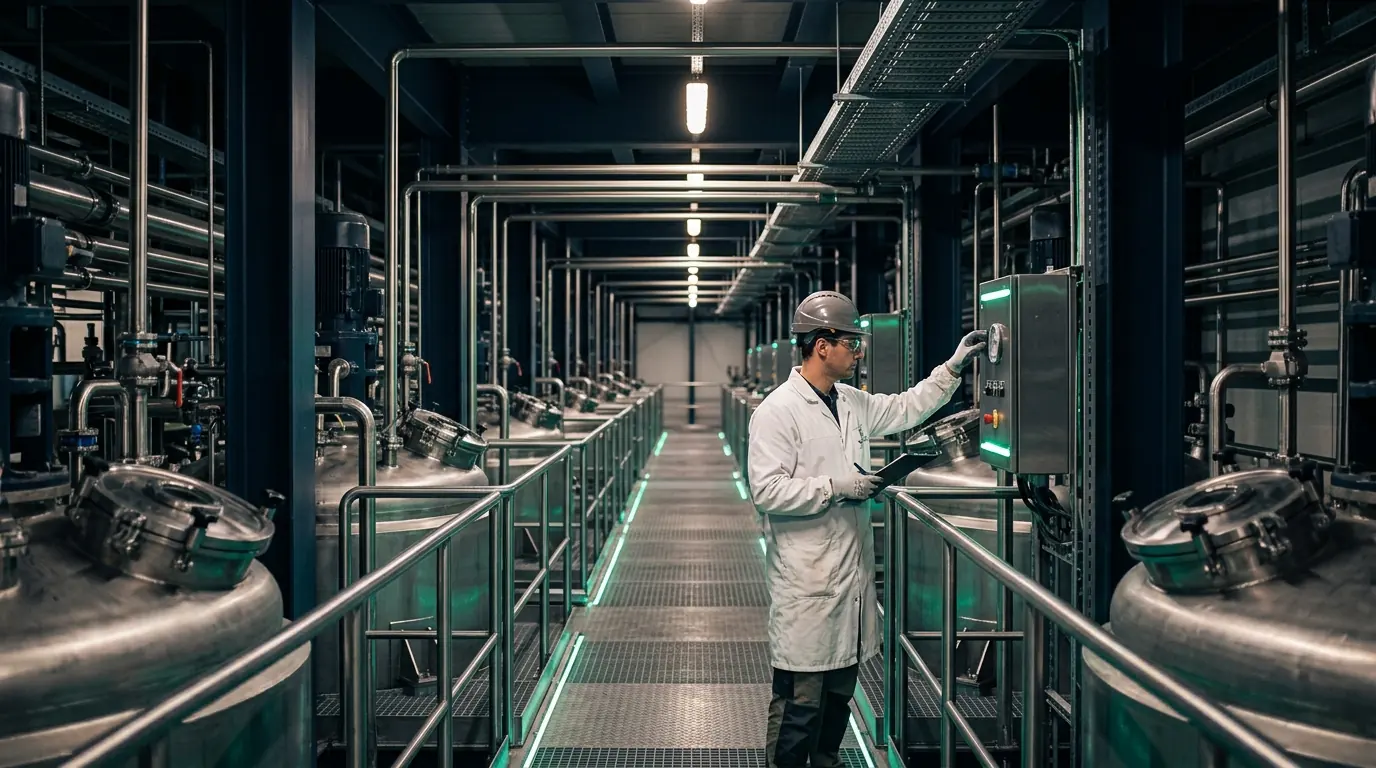
Throughput
30,000 TPA
Process stages
6
Feeder sites nearby
6
Operating since
2018
From black mass to battery-grade salts
- 1
Feed assay & sampling
Incoming black mass is homogenised and assayed by ICP-OES for Li, Ni, Co, Mn, Cu, Al and fluoride before it is released to leach.
- 2
Sulphuric acid leaching
Two-stage leach at 60–85 °C with peroxide reductant dissolves cathode metals at 96–99% extraction efficiency.
- 3
Impurity removal
Iron, aluminium and copper are precipitated and filtered; graphite is recovered as a separate low-ash cake.
- 4
Solvent extraction trains
Sequential Co, Ni and Mn circuits with counter-current mixer-settlers deliver individual metal raffinates.
- 5
Crystallisation & drying
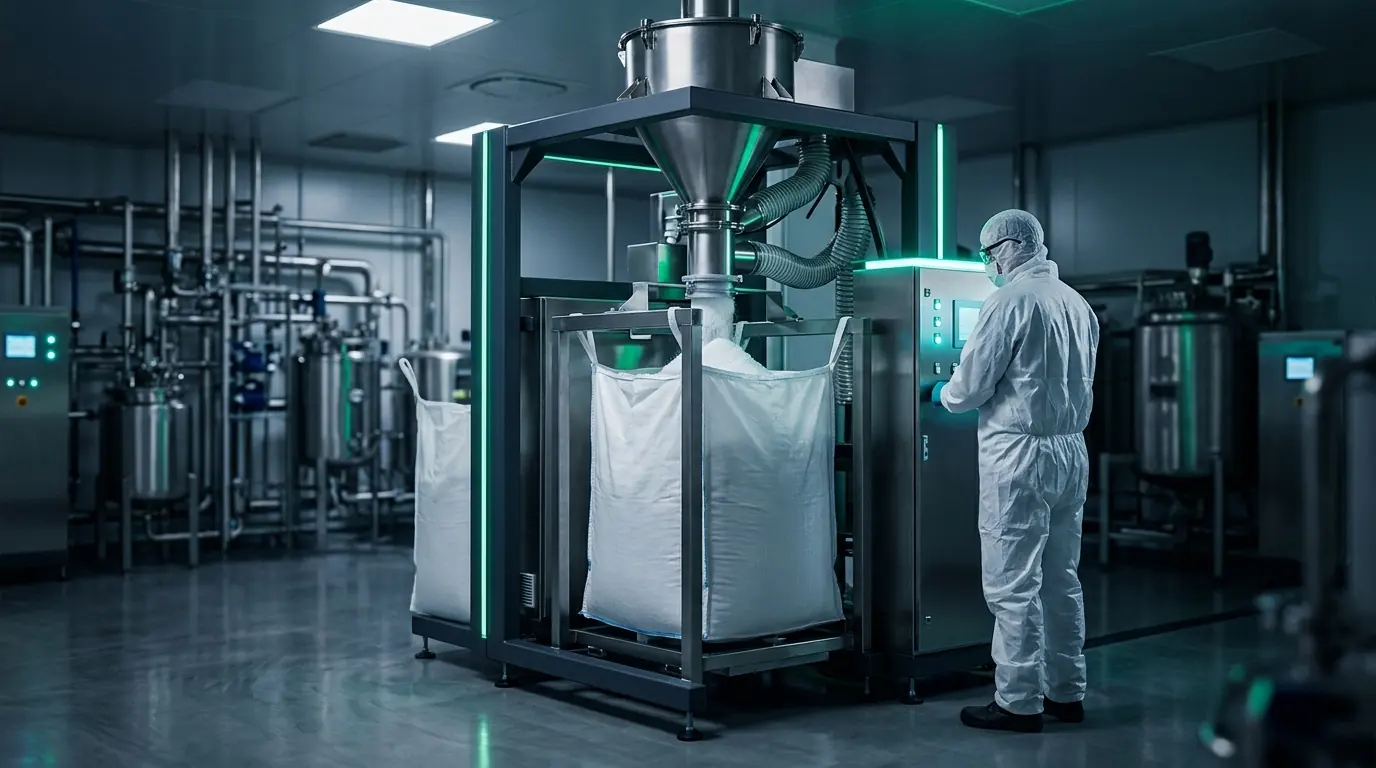
Nickel and cobalt sulphate hexahydrate plus lithium carbonate are crystallised to 99.5%+ battery grade and bagged under nitrogen.
- 6
Batch certification
Every batch ships with a certificate of analysis, mass balance and chain-of-custody record for EPR and IRA reporting.
Acceptance criteria
| Criterion | Requirement |
|---|---|
| Accepted feed | Black mass, cathode scrap, sealed drums |
| Moisture limit | Agreed per contract, deducted from payable weight |
| Sampling | Homogenised and split, assayed by ICP-OES |
| Documentation | Assay certificate, manifest, waste-shipment consent where required |
Products leaving the plant
| Stream | Product |
|---|---|
| Lithium | Carbonate or hydroxide, battery grade |
| Nickel | Sulphate hexahydrate, battery grade |
| Cobalt | Sulphate heptahydrate, battery grade |
| By-products | Graphite cake, copper and aluminium residues |
Why Rotterdam, South Holland
The Maasvlakte area of Rotterdam is part of Europe's largest port, with chemical industry, bulk handling and deep-sea, rail and inland-waterway connections. The refining works opened on Europaweg in 2018 to process black mass from across Europe, using the port's infrastructure to receive feed and dispatch finished products efficiently. The works is one of the largest refining sites in the network, and its feed comes from many countries.
With 30,000 TPA of capacity, the works takes black mass by road, rail, barge and sea, and produces battery-grade salts for cathode and cell producers. Its position among established chemical operations supports reagent supply, and its experience with cross-border waste shipments makes it a common destination for black mass from several European countries. Assay results set the basis for settlement.
Permitting
EU Battery Regulation (EU) 2023/1542 and the Dutch Environmental Management Act
The works operates under Dutch environmental permits and the EU Battery Regulation (EU) 2023/1542, including recycling efficiency and material recovery targets. Cross-border waste shipments follow the EU Waste Shipment Regulation and, where relevant, Basel Convention procedures.
Technical strengths
Europe's largest port
Direct access to shipping, rail and inland waterways.
Chemical-cluster setting
Located among established chemical operations and reagent suppliers.
Pan-European feed
Receives black mass from across Europe under shipment controls.
Sites that feed Rotterdam, South Holland
Black mass arrives from these campuses, yards and grading plants.
Rotterdam, South Holland plant: technical questions
Does the refinery accept whole battery packs?
No. Whole packs are received at intake yards and campuses, discharged and shredded; the refinery receives the resulting black mass.
How is black mass priced here?
Against an agreed assay, with payable percentages per metal and deductions for moisture and impurities. Sampling is witnessed or split on request.
Can black mass be shipped to Rotterdam from outside Europe?
Yes, subject to waste shipment rules and the required notifications.
Does Rotterdam accept whole packs?
No. It refines black mass and scrap only.
Damaged or defective packs are handled under a separate quarantine protocol — flag them in the form and the team calls you back the same day.
Have black mass to place?
Share assay, tonnage and location for an indicative payable and an intake slot.