Warsaw — Mazovia Grading Centre
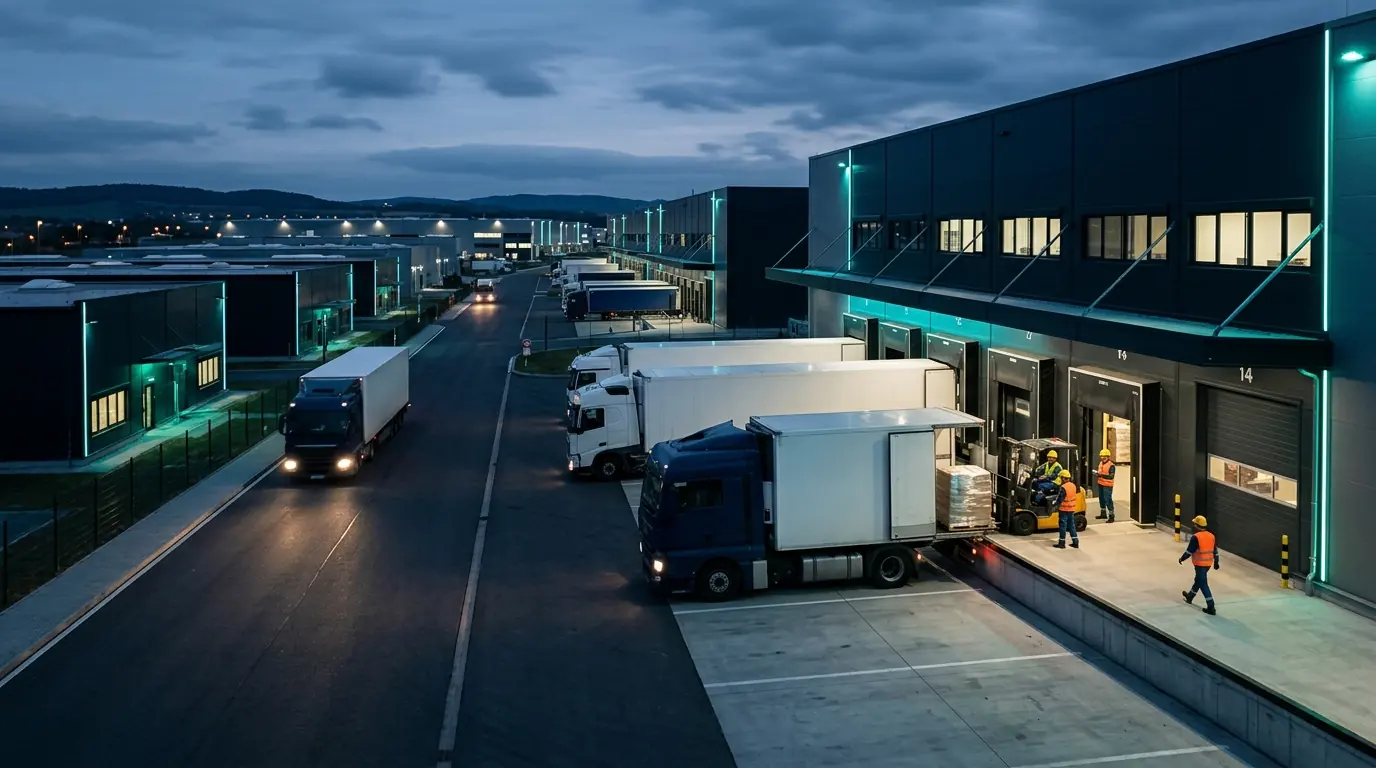
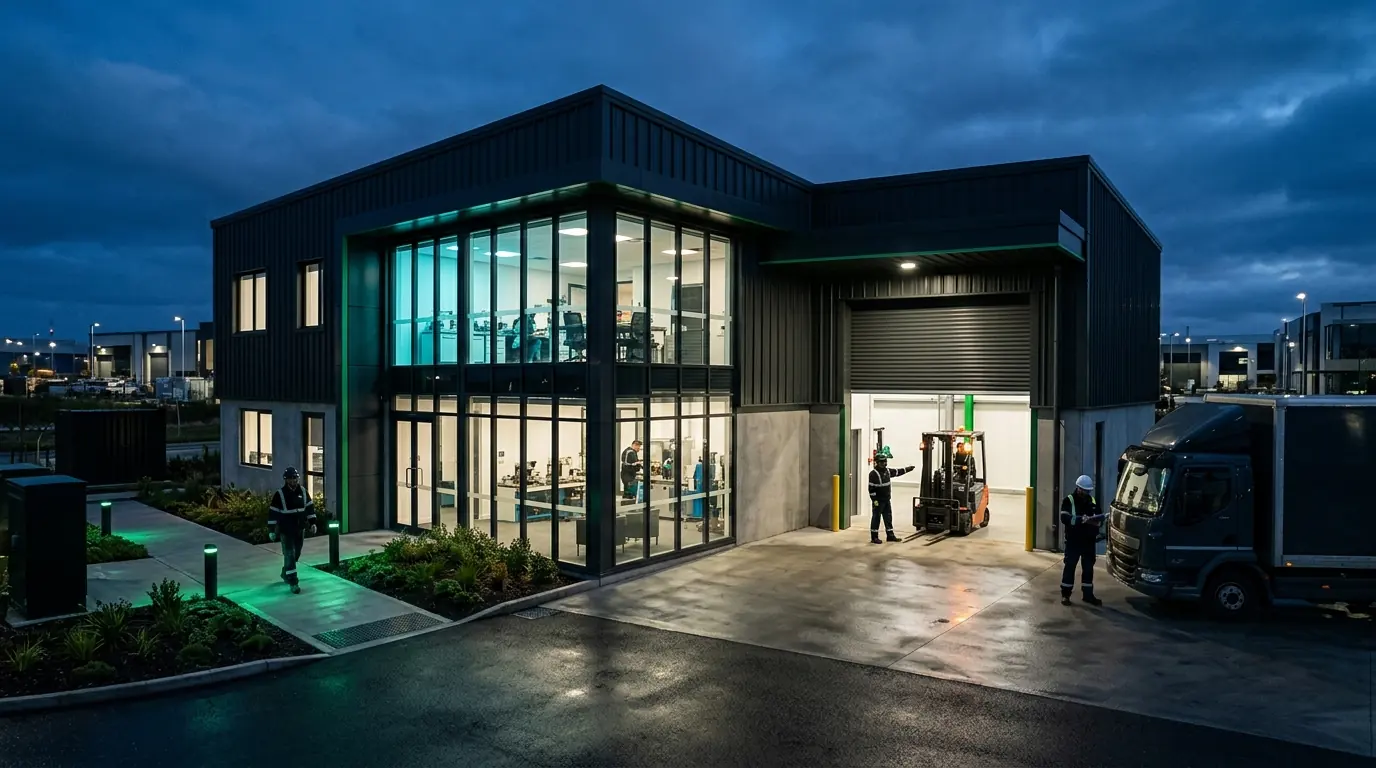
Warsaw, Mazovia facility: diagnostics centre running module-level SOH, impedance and optical grading to split reuse from refining. Rated at 17,000 tonnes per annum and operating since 2022.
Annual capacity
17,000 TPA
Operating lines
3
Cities collected
0
In operation since
2022
About the Warsaw, Mazovia facility
Poland has become one of Europe's major centres for battery cell and component manufacturing, and Warsaw is a hub for logistics and fleet operations in central Europe. The grading centre opened on ulica Poleczki in 2022 to serve Poland and neighbouring countries, giving central European customers a closer alternative to sending material to western Europe for testing. Cross-border loads are handled routinely.
At 17,000 TPA, it grades passenger and commercial packs, electric bus packs from city transport operators, and modules and production material from regional manufacturers. Reusable modules are passed on for second-life builds, while material below threshold is sent for black mass production. Grade reports are issued for every pack tested, and regional manufacturers use the centre to assess rejected and end-of-line material before deciding what to do with it.
What arrives at the gate
What sets this site apart
Central European base
Serves Poland and nearby markets without long hauls west.
Manufacturing support
Handles material from the region's battery production.
Bus pack grading
Tests packs from urban electric bus fleets.
What happens to material here
- 1
Intake & safety triage
Packs are logged, thermally imaged and screened for swelling, coolant ingress or venting before entering the bench area.
- 2
Controlled de-energising
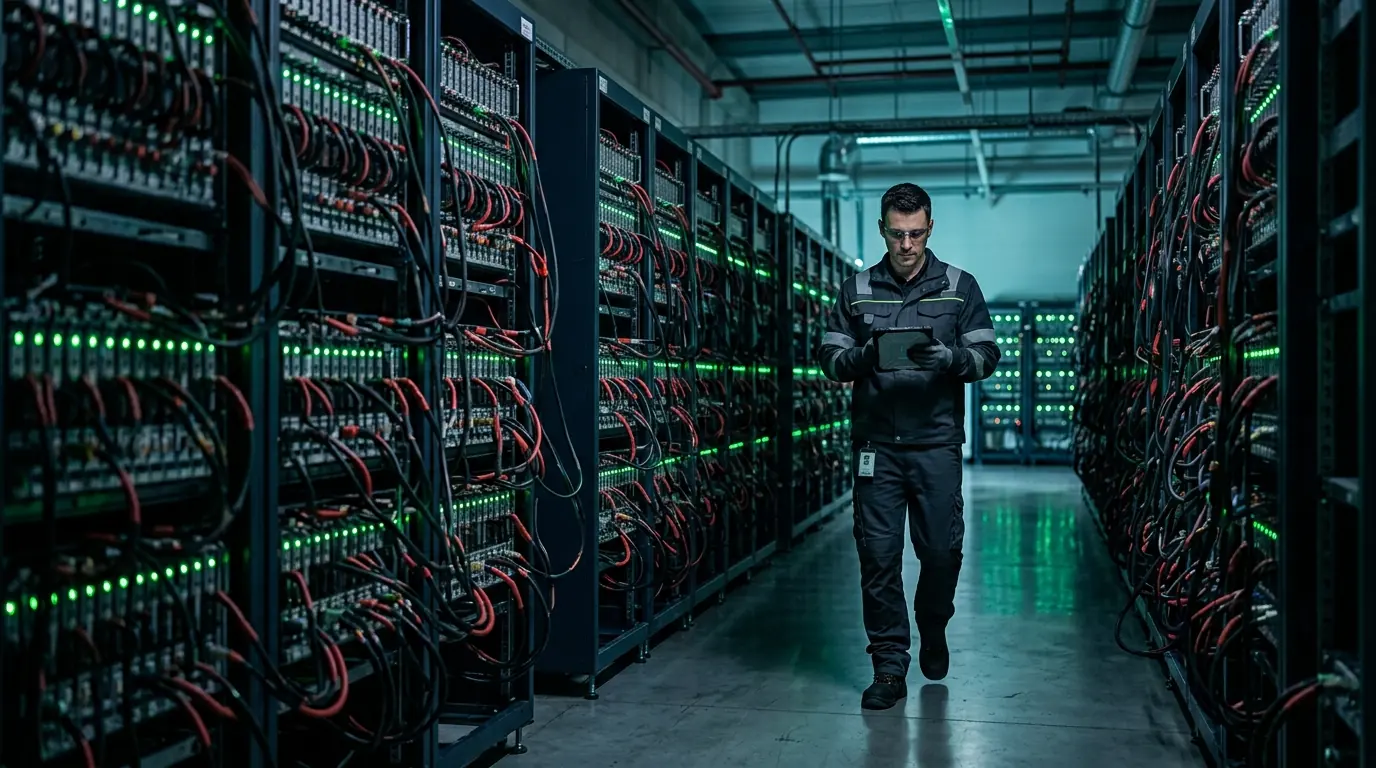
Residual energy is discharged to a safe state of charge with regenerative load banks and recorded per serial number.
- 3
Module-level capacity test
Full charge-discharge cycling at C/3 establishes usable capacity, internal resistance and cell-to-cell balance.
- 4
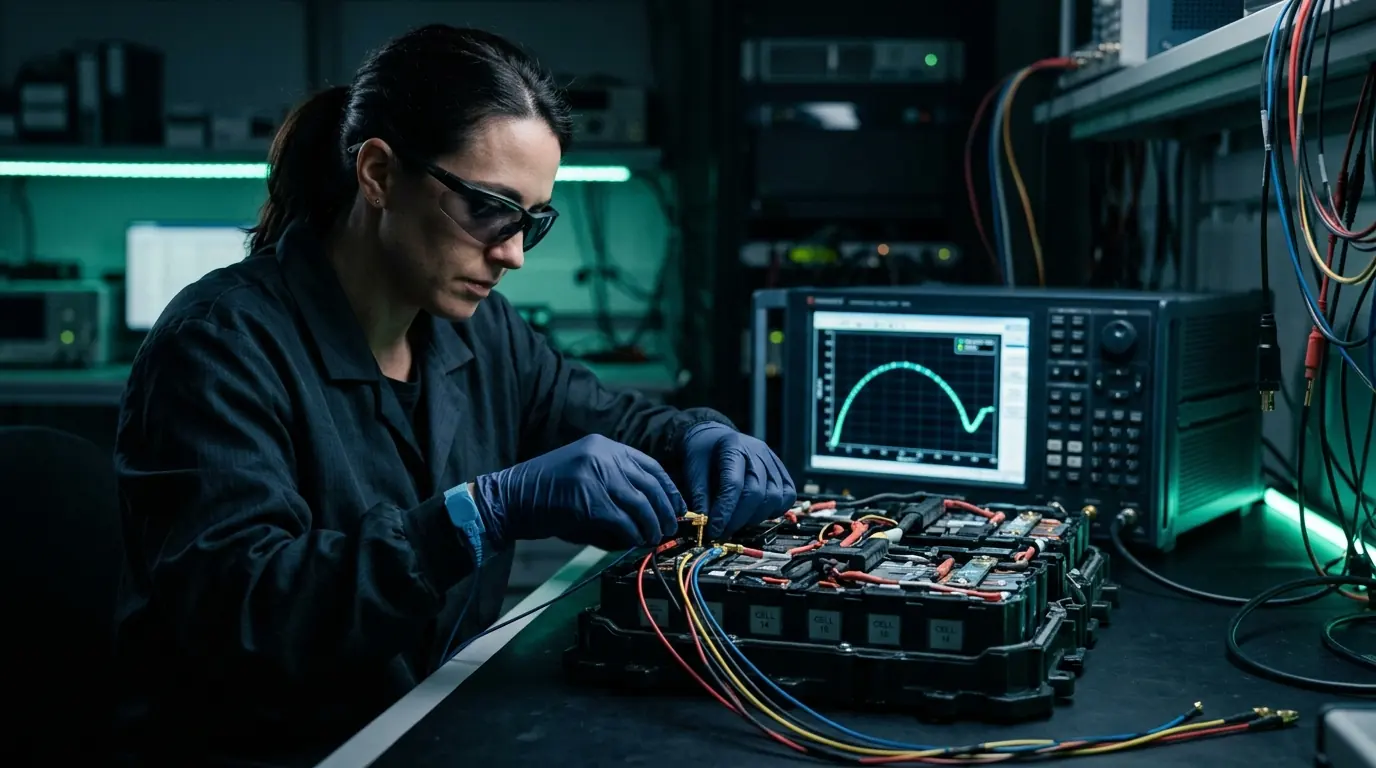
EIS fingerprinting
1 mHz–10 kHz impedance sweeps separate SEI growth, lithium plating and contact resistance degradation modes.
- 5
AI optical inspection
Machine-vision inspection of busbars, welds and cell cans flags mechanical defects that block second-life reuse.
- 6
Grade assignment
Grade A (≥85% SOH), B (75–85%), C (65–75%) and D routes are assigned, with D-grade material released to refining.
Where material goes next
| Role | Facility | Distance |
|---|---|---|
| Second-Life BESS Works | Zwickau — Saxony Second-Life Works | 613 km |
| Hydrometallurgical Refinery | Rotterdam — Maasvlakte Refining Works | 1,128 km |
| Integrated Recovery Campus | Toronto — Ontario Recovery Campus | 6,921 km |
Local rules
EU Battery Regulation (EU) 2023/1542 and the Polish Act on Batteries and Accumulators · Chief Inspectorate of Environmental Protection (GIOS), with the BDO waste database
The centre operates under Polish environmental permits and the EU Battery Regulation (EU) 2023/1542. Transport follows ADR dangerous-goods rules, and cross-border movements follow EU waste shipment requirements.
Before you book into Warsaw, Mazovia
- Cross-border loads need appropriate shipment documents.
- Bus operators should book in advance for large packs.
- Send a serial list with each load.
- Declare damaged packs before collection.
Damaged or defective packs are handled under a separate quarantine protocol — flag them in the form and the team calls you back the same day.
Warsaw, Mazovia site: common questions
Does Warsaw serve countries outside Poland?
Yes, including neighbouring central European markets, subject to waste shipment rules.
Can bus batteries be graded in Warsaw?
Yes, with advance booking for large packs.
What are the opening hours at Warsaw, Mazovia?
Monday to Friday 08:00 – 20:00, Saturday 08:00 – 16:00. Sunday: emergency and damaged-pack intake only, by prior booking.
How do I book a collection into Warsaw, Mazovia?
Use the booking button on this page with pack counts, chemistry and condition. The despatch desk confirms a window within one working day and ships UN-approved packaging before collection.