Atchutapuram, Andhra Pradesh hydrometallurgical refinery
How Visakhapatnam — Atchutapuram Refinery turns black mass into battery-grade salts — inputs, process chemistry, outputs and where its feed comes from.
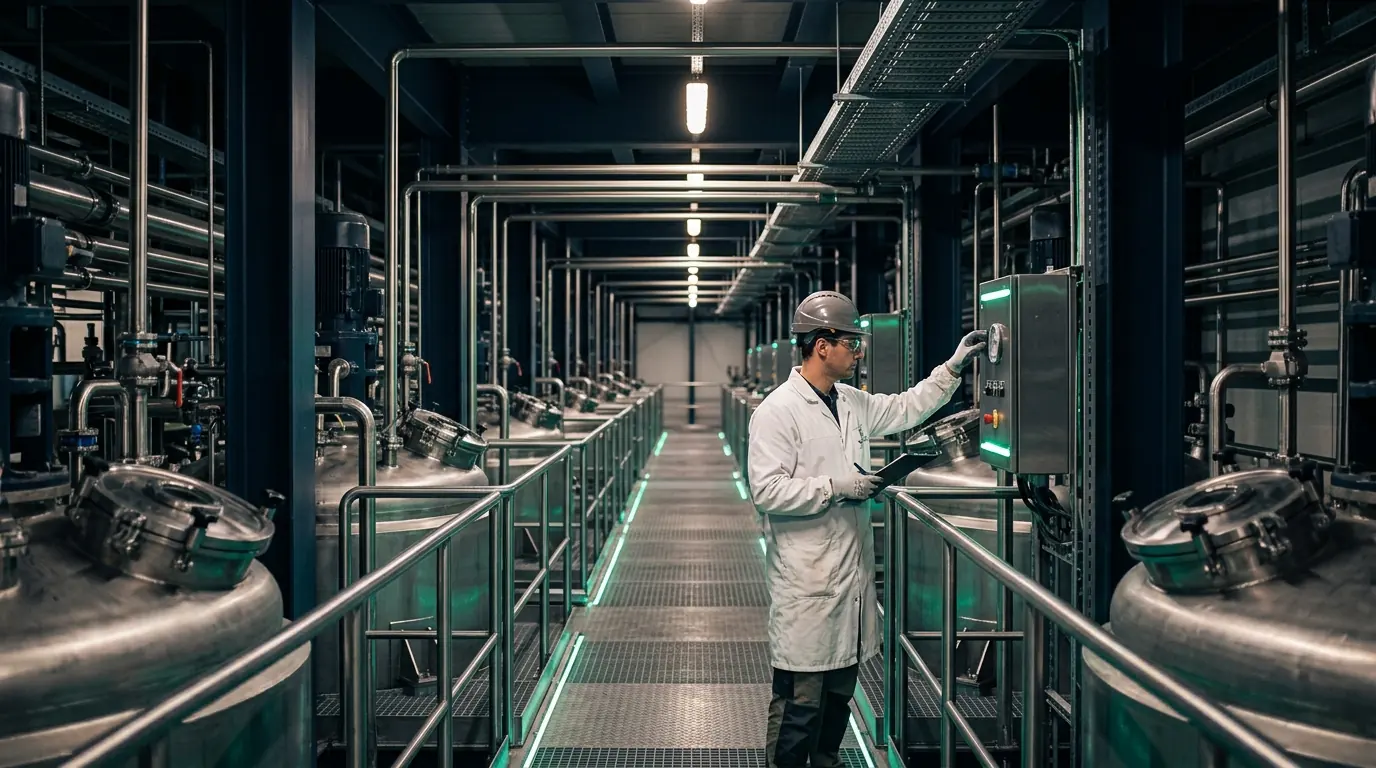
Throughput
13,000 TPA
Process stages
6
Feeder sites nearby
6
Operating since
2022
From black mass to battery-grade salts
- 1
Feed assay & sampling
Incoming black mass is homogenised and assayed by ICP-OES for Li, Ni, Co, Mn, Cu, Al and fluoride before it is released to leach.
- 2
Sulphuric acid leaching
Two-stage leach at 60–85 °C with peroxide reductant dissolves cathode metals at 96–99% extraction efficiency.
- 3
Impurity removal
Iron, aluminium and copper are precipitated and filtered; graphite is recovered as a separate low-ash cake.
- 4
Solvent extraction trains
Sequential Co, Ni and Mn circuits with counter-current mixer-settlers deliver individual metal raffinates.
- 5
Crystallisation & drying
Nickel and cobalt sulphate hexahydrate plus lithium carbonate are crystallised to 99.5%+ battery grade and bagged under nitrogen.
- 6
Batch certification
Every batch ships with a certificate of analysis, mass balance and chain-of-custody record for EPR and IRA reporting.
Acceptance criteria
| Criterion | Requirement |
|---|---|
| Accepted feed | Black mass, cathode scrap, sealed drums |
| Moisture limit | Agreed per contract, deducted from payable weight |
| Sampling | Homogenised and split, assayed by ICP-OES |
| Documentation | Assay certificate, manifest, waste-shipment consent where required |
Products leaving the plant
| Stream | Product |
|---|---|
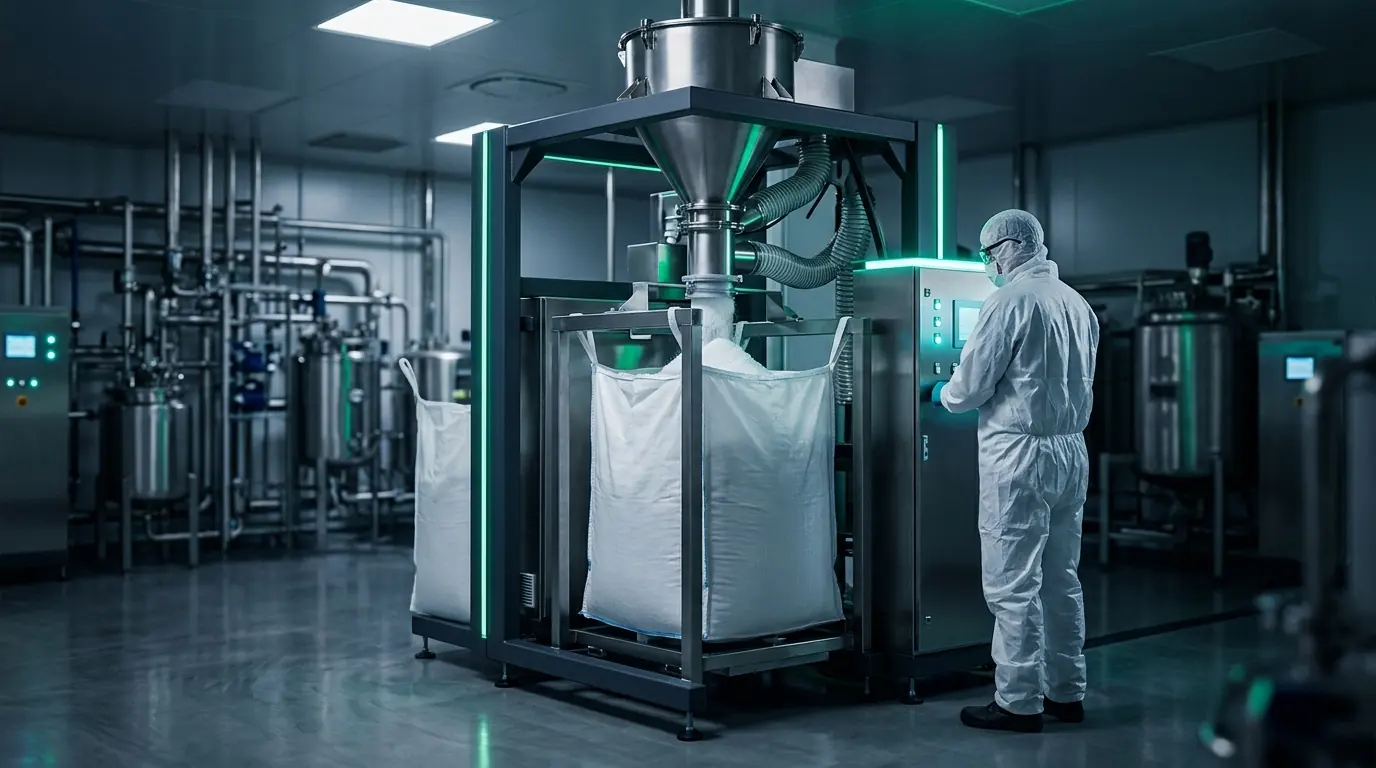
| Lithium | Carbonate or hydroxide, battery grade |
| Nickel | Sulphate hexahydrate, battery grade |
| Cobalt | Sulphate heptahydrate, battery grade |
| By-products | Graphite cake, copper and aluminium residues |
Why Atchutapuram, Andhra Pradesh
Atchutapuram, south of Visakhapatnam, is part of Andhra Pradesh's coastal industrial belt and lies close to the deep-water port facilities of India's east coast. The refinery opened in the APSEZ in 2022 to add refining capacity near shipping routes, complementing the Haldia works further north and giving southern and eastern campuses a second destination for their black mass. Feed arrives mainly by road from campuses in the south and east.
At 13,000 TPA, the refinery receives black mass from network campuses and registered processors and converts it into battery-grade nickel, cobalt and lithium salts. As one of the newer sites, it runs modern leaching and solvent-extraction lines, and its coastal location suits both inbound reagent supply and outbound shipment of finished material to manufacturers. Output batches carry full analysis certificates for producers' reporting.
Permitting
Battery Waste Management Rules 2022 (BWMR)
The refinery operates under Andhra Pradesh Pollution Control Board consent, with conditions covering effluent treatment, air emissions and hazardous chemical storage. As a registered recycler it generates recovery evidence for producers under the Battery Waste Management Rules 2022, and port-linked movements follow customs and applicable waste-shipment controls.
Technical strengths
East-coast port access
Close to Visakhapatnam's ports for inbound reagents and outbound refined salts.
Newer process lines
Opened in 2022 with current-generation leaching and solvent-extraction equipment.
Second eastern refinery
Adds east-coast refining capacity alongside the Haldia works.
Sites that feed Atchutapuram, Andhra Pradesh
Black mass arrives from these campuses, yards and grading plants.
Atchutapuram, Andhra Pradesh plant: technical questions
Does the refinery accept whole battery packs?
No. Whole packs are received at intake yards and campuses, discharged and shredded; the refinery receives the resulting black mass.
How is black mass priced here?
Against an agreed assay, with payable percentages per metal and deductions for moisture and impurities. Sampling is witnessed or split on request.
What does the Atchutapuram refinery produce?
Battery-grade nickel, cobalt and lithium salts refined from black mass feed.
Can I deliver shredded material here?
Yes, if it is black mass with declared chemistry that meets the agreed specification.
Damaged or defective packs are handled under a separate quarantine protocol — flag them in the form and the team calls you back the same day.
Have black mass to place?
Share assay, tonnage and location for an indicative payable and an intake slot.