Toronto — Ontario Recovery Campus
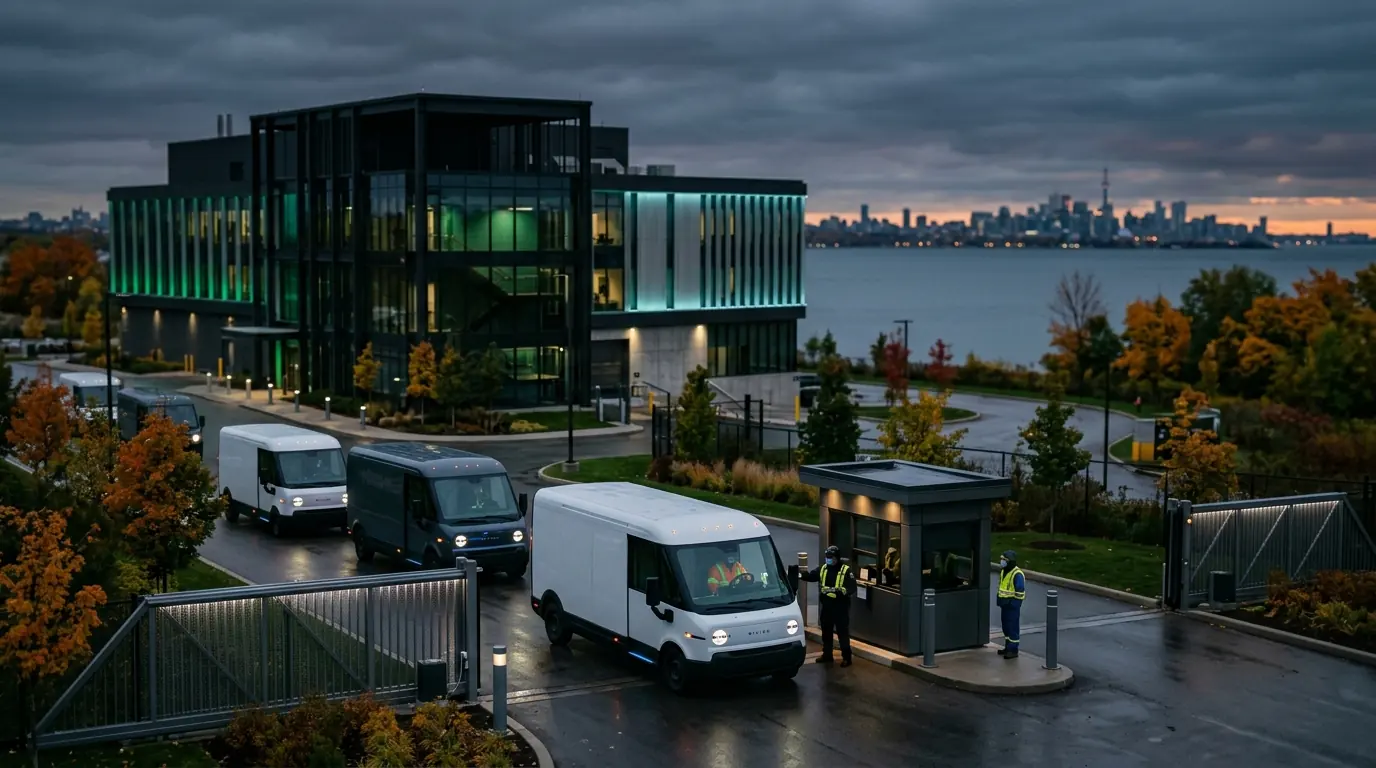
Toronto, Ontario facility: integrated campus running disassembly, grading, second-life build and black mass production on one site. Rated at 18,000 tonnes per annum and operating since 2021.
Annual capacity
18,000 TPA
Operating lines
3
Cities collected
2
In operation since
2021
About the Toronto, Ontario facility
Toronto sits at the heart of Ontario's automotive belt, which runs from Windsor to Oshawa and is being retooled for EV and battery production. The recovery campus opened in Etobicoke in 2021 to process Canadian material close to where it is generated, rather than sending it across the border for grading and shredding. Quebec and Ontario transit agencies are among its larger customers, retiring electric buses in growing numbers.
At 18,000 TPA, the integrated campus grades packs and produces black mass on site. It serves fleets, transit agencies, dealers and manufacturers in Ontario and Quebec, and coordinates with the Detroit plant to balance volumes across the Great Lakes region. Its grading takes account of the degradation patterns seen in batteries that spend long winters in the cold. Damaged packs are handled in isolation.
What arrives at the gate
What sets this site apart
Canadian processing
Keeps Canadian material in the country from intake through to black mass.
Cold-climate experience
Grading reflects degradation patterns seen in cold-weather fleets.
Cross-border balancing
Works with Detroit to share volumes across the Great Lakes region.
What happens to material here
- 1
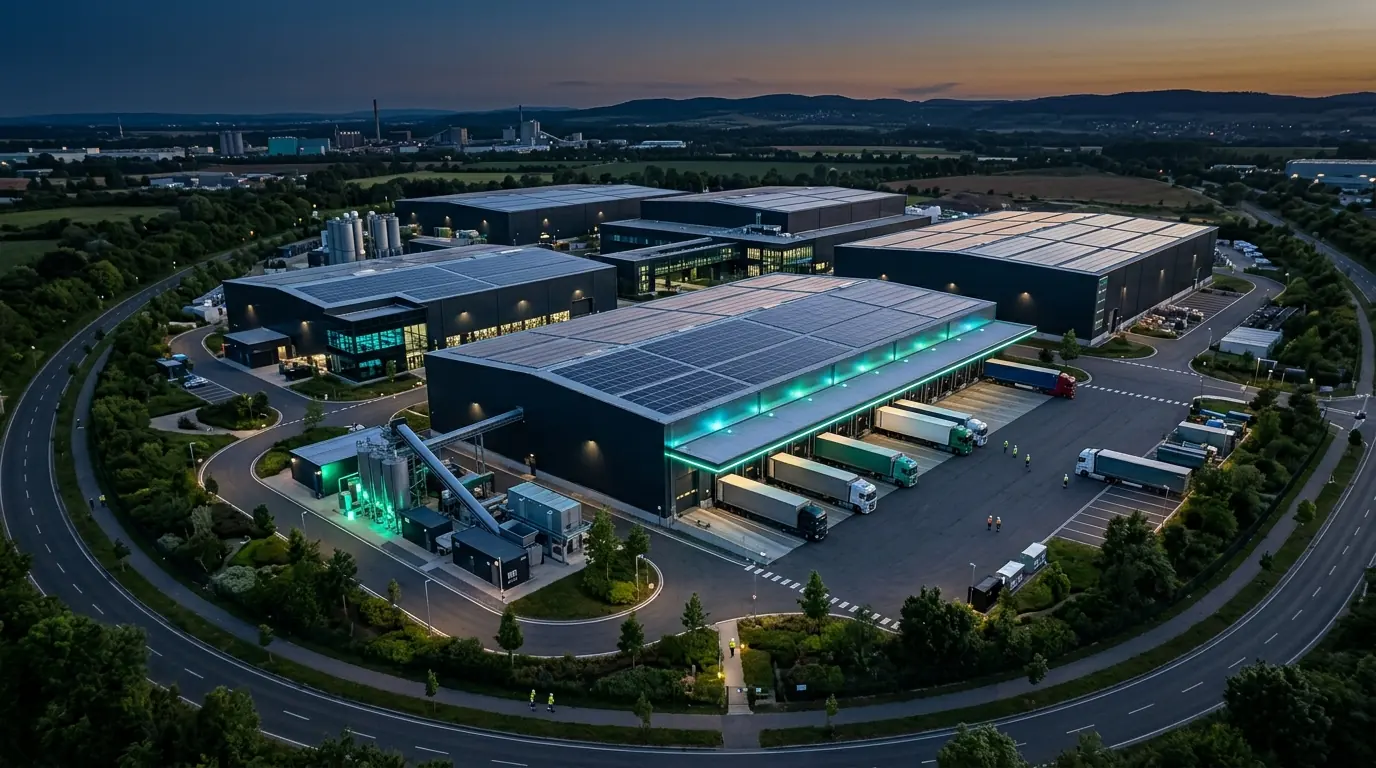
Intake inspection
Packs are logged, thermally scanned and quarantined if damaged, defective or water-exposed.
- 2
Safe discharge
Residual energy is recovered to the site microgrid before any mechanical work begins.
- 3
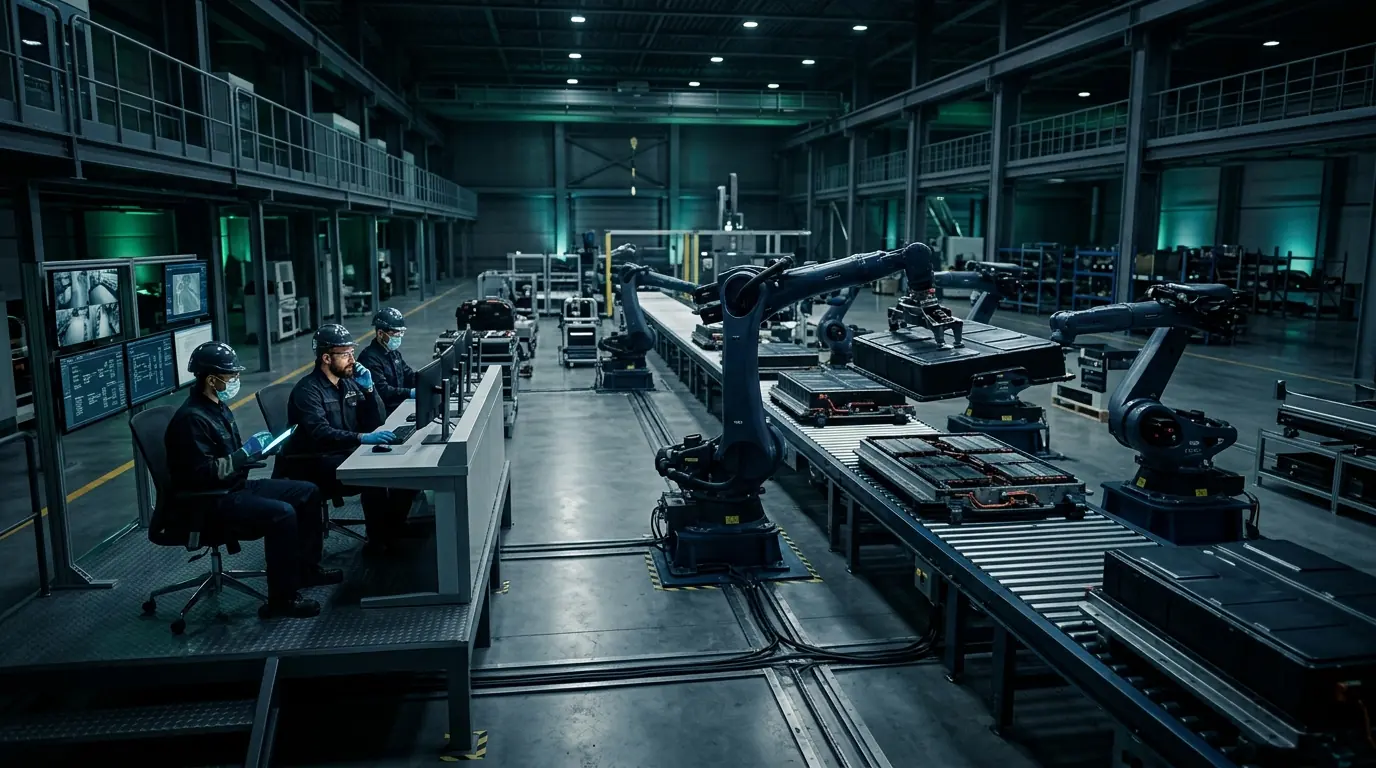
Automated disassembly
Robotic cells remove housings, cooling plates and wiring for separate material streams.
- 4
Grading split
Modules above 75% SOH move to second-life build; everything else is shredded under inert atmosphere.
- 5
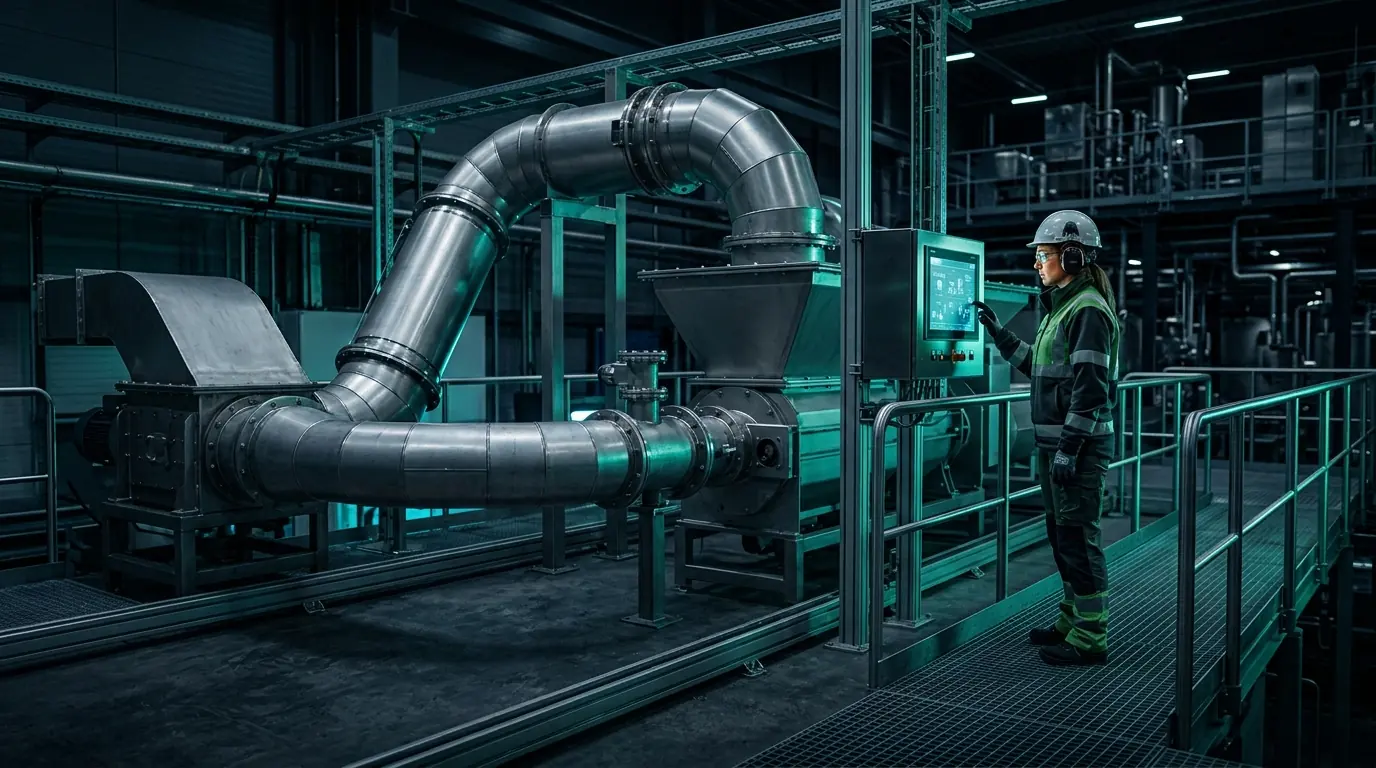
Black mass production
Shredding, drying and multi-stage separation produce a graphite-rich black mass at controlled moisture.
- 6
Refining handover
Black mass is assayed, sealed and shipped to the assigned hydrometallurgical refinery.
Where material goes next
| Role | Facility | Distance |
|---|---|---|
| Cell Grading & Diagnostics | Atlanta — Georgia Grading Centre | 1,183 km |
| Second-Life BESS Works | Gothenburg — Nordic Second-Life Campus | 6,109 km |
| Hydrometallurgical Refinery | Reno — Nevada Hydrometallurgy Refinery | 3,360 km |
Local rules
Provincial extended producer responsibility regulations · Provincial regulators (e.g. RPRA in Ontario) and Transport Canada
The campus operates under approvals from Ontario's Ministry of the Environment, Conservation and Parks. Ontario's producer responsibility framework for batteries applies, transport follows the federal Transportation of Dangerous Goods Regulations, and cross-border movements need waste import and export documentation.
Before you book into Toronto, Ontario
- Winter collections include extra time for weather delays.
- Cross-border loads need export and import documents before collection is confirmed.
- Transit authorities can book depot-level collections.
- Damaged packs must be declared before pickup.
Damaged or defective packs are handled under a separate quarantine protocol — flag them in the form and the team calls you back the same day.
Toronto, Ontario site: common questions
Does Toronto produce black mass?
Yes. As an integrated campus, it shreds material that fails grading on site.
Can US material be processed in Toronto?
It can, subject to cross-border waste shipment approvals and documentation.
What are the opening hours at Toronto, Ontario?
Monday to Friday 08:00 – 20:00, Saturday 08:00 – 16:00. Sunday: emergency and damaged-pack intake only, by prior booking.
How do I book a collection into Toronto, Ontario?
Use the booking button on this page with pack counts, chemistry and condition. The despatch desk confirms a window within one working day and ships UN-approved packaging before collection.