Sriperumbudur, Tamil Nadu hydrometallurgical refinery
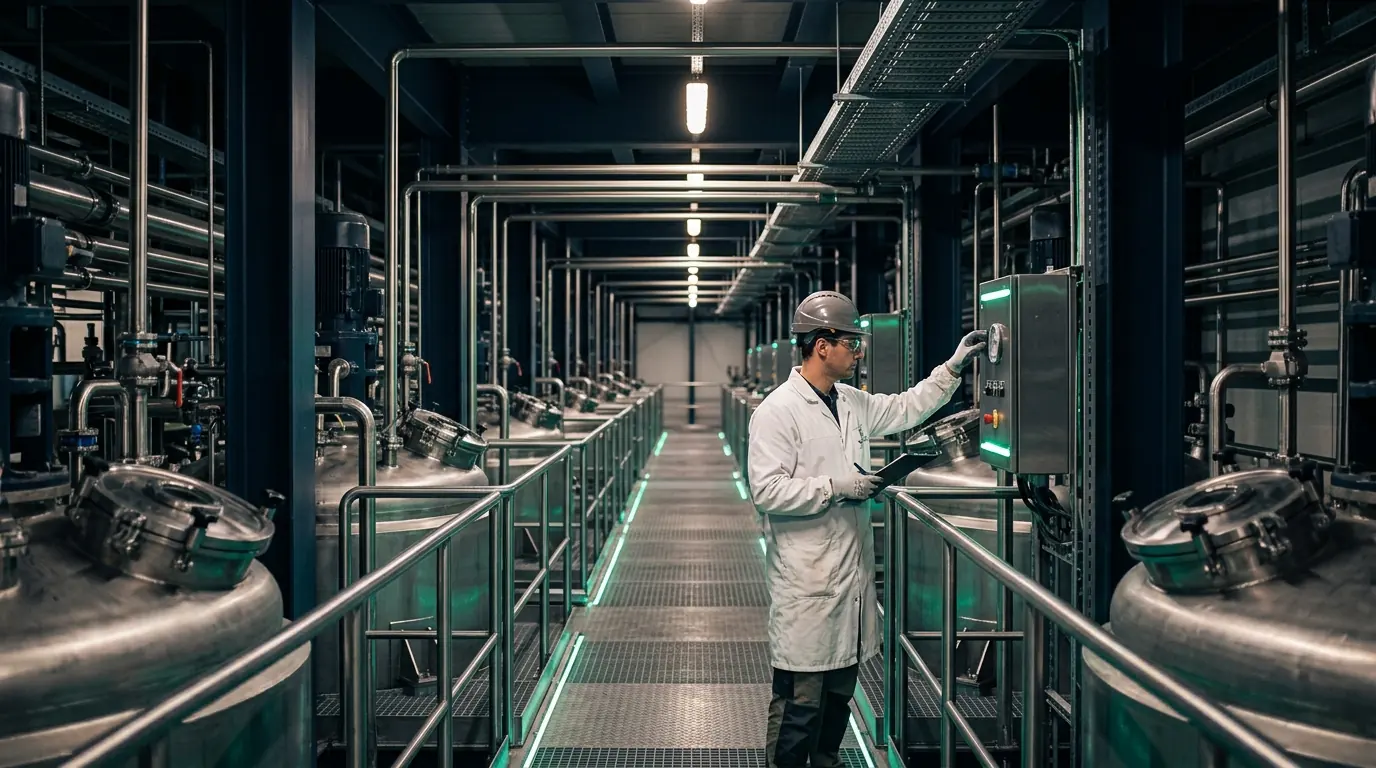
How Chennai — Sriperumbudur Recovery Campus turns black mass into battery-grade salts — inputs, process chemistry, outputs and where its feed comes from.
Throughput
32,000 TPA
Process stages
6
Feeder sites nearby
6
Operating since
2018
From black mass to battery-grade salts
- 1
Feed assay & sampling
Incoming black mass is homogenised and assayed by ICP-OES for Li, Ni, Co, Mn, Cu, Al and fluoride before it is released to leach.
- 2
Sulphuric acid leaching
Two-stage leach at 60–85 °C with peroxide reductant dissolves cathode metals at 96–99% extraction efficiency.
- 3
Impurity removal
Iron, aluminium and copper are precipitated and filtered; graphite is recovered as a separate low-ash cake.
- 4
Solvent extraction trains
Sequential Co, Ni and Mn circuits with counter-current mixer-settlers deliver individual metal raffinates.
- 5
Crystallisation & drying
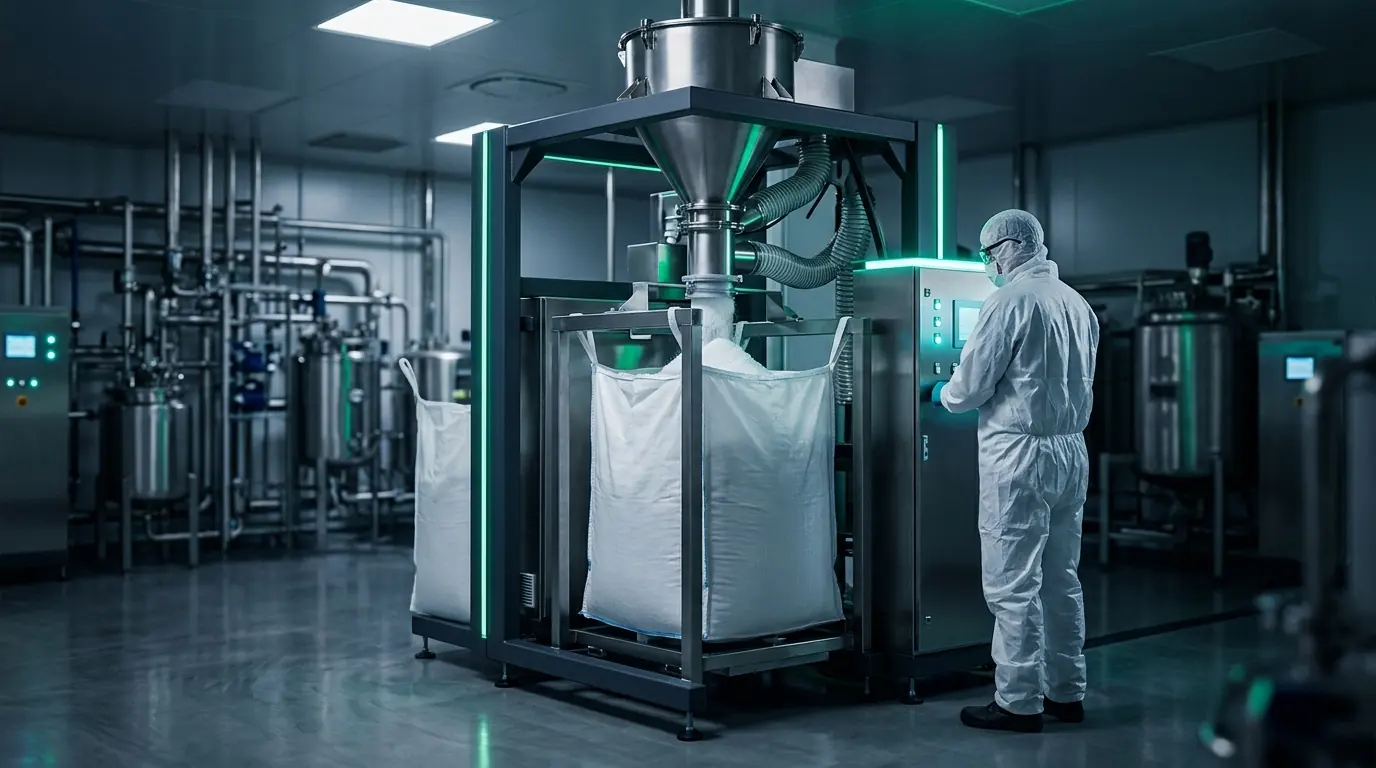
Nickel and cobalt sulphate hexahydrate plus lithium carbonate are crystallised to 99.5%+ battery grade and bagged under nitrogen.
- 6
Batch certification
Every batch ships with a certificate of analysis, mass balance and chain-of-custody record for EPR and IRA reporting.
Acceptance criteria
| Criterion | Requirement |
|---|---|
| Accepted feed | Black mass, cathode scrap, sealed drums |
| Moisture limit | Agreed per contract, deducted from payable weight |
| Sampling | Homogenised and split, assayed by ICP-OES |
| Documentation | Assay certificate, manifest, waste-shipment consent where required |
Products leaving the plant
| Stream | Product |
|---|---|
| Lithium | Carbonate or hydroxide, battery grade |
| Nickel | Sulphate hexahydrate, battery grade |
| Cobalt | Sulphate heptahydrate, battery grade |
| By-products | Graphite cake, copper and aluminium residues |
Why Sriperumbudur, Tamil Nadu
Sriperumbudur and the wider Chennai corridor host one of India's heaviest concentrations of vehicle assembly, electronics manufacturing and export logistics. The refinery opened in the Mahindra World City SEZ in 2018, making it the network's longest-running Indian refining site, and at 32,000 TPA it remains the largest. Its location puts it within reach of both southern manufacturing clusters and Chennai's port.
As a hydrometallurgical refinery it receives black mass rather than packs. Feed arrives from the network's Indian campuses and grading sites and from registered third-party shredders, and leaves as battery-grade nickel sulphate, cobalt sulphate and lithium carbonate. Because it has been running the longest, the site holds the network's deepest assay history for the LFP and NMC chemistries common in Indian vehicles.
Permitting
Battery Waste Management Rules 2022 (BWMR)
The refinery is permitted by the Tamil Nadu Pollution Control Board, with effluent, air emission and hazardous-chemical conditions typical of acid-leaching plants. As a registered recycler under the Battery Waste Management Rules 2022, it generates the recovery evidence that producers file on the CPCB EPR portal. Its SEZ location adds customs controls on any imported feed or exported product.
Technical strengths
Longest operating record
Running since 2018, the refinery has the most complete assay history for Indian feed chemistries anywhere in the network.
Port-adjacent logistics
Proximity to Chennai port simplifies moving refined salts and permitted intermediates in and out of the country.
Batch-level certification
Every output batch ships with an analysis certificate and mass balance that producers can use in their EPR reporting.
Sites that feed Sriperumbudur, Tamil Nadu
Black mass arrives from these campuses, yards and grading plants.
Sriperumbudur, Tamil Nadu plant: technical questions
Does the refinery accept whole battery packs?
No. Whole packs are received at intake yards and campuses, discharged and shredded; the refinery receives the resulting black mass.
How is black mass priced here?
Against an agreed assay, with payable percentages per metal and deductions for moisture and impurities. Sampling is witnessed or split on request.
Can I send whole EV packs to Sriperumbudur?
No. The refinery takes black mass and cathode scrap only. Whole packs go to a collection, grading or integrated campus, which produces the black mass this site refines.
What does the refinery produce?
Battery-grade nickel sulphate, cobalt sulphate and lithium carbonate, each batch issued with an analysis certificate and mass balance.
Damaged or defective packs are handled under a separate quarantine protocol — flag them in the form and the team calls you back the same day.
Have black mass to place?
Share assay, tonnage and location for an indicative payable and an intake slot.