Detroit — Michigan Closed-Loop Plant
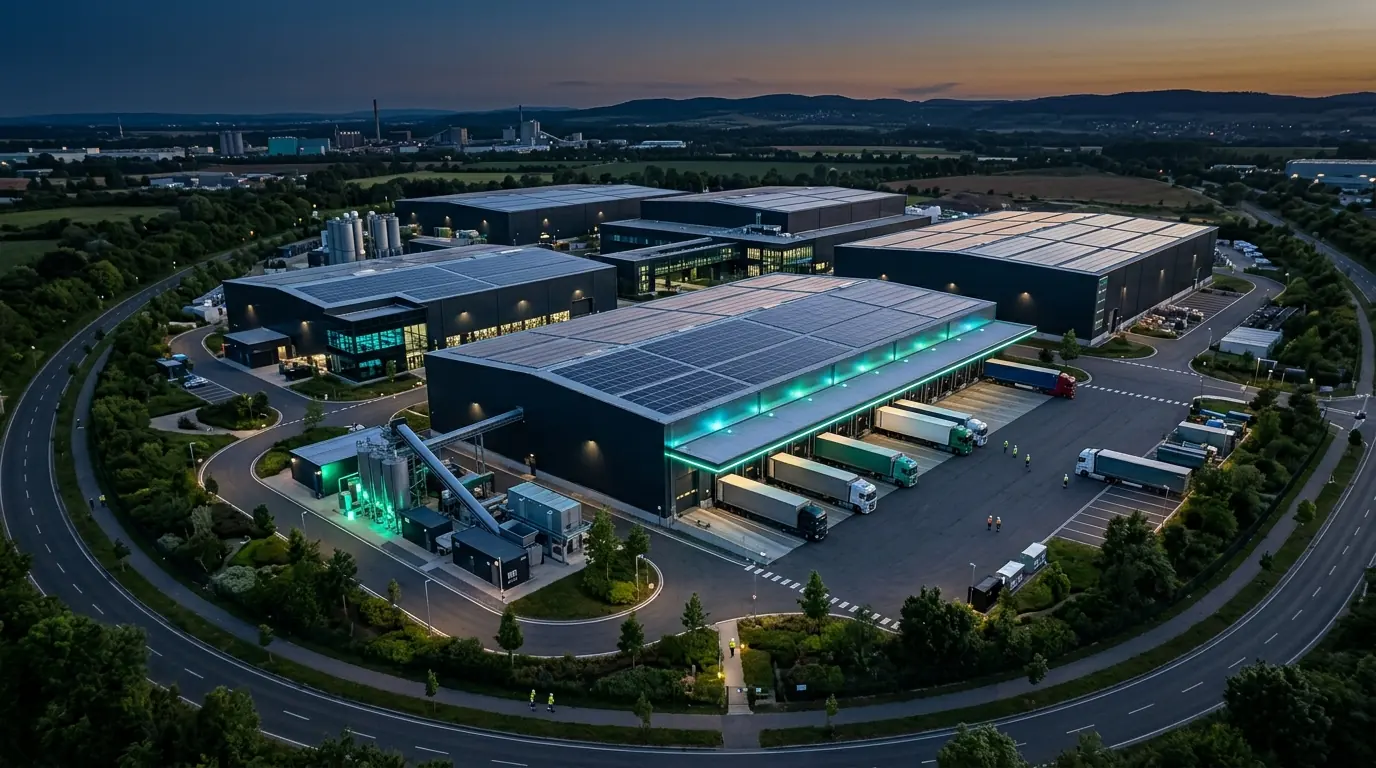
Detroit, Michigan facility: integrated campus running disassembly, grading, second-life build and black mass production on one site. Rated at 40,000 tonnes per annum and operating since 2017.
Annual capacity
40,000 TPA
Operating lines
3
Cities collected
10
In operation since
2017
About the Detroit, Michigan facility
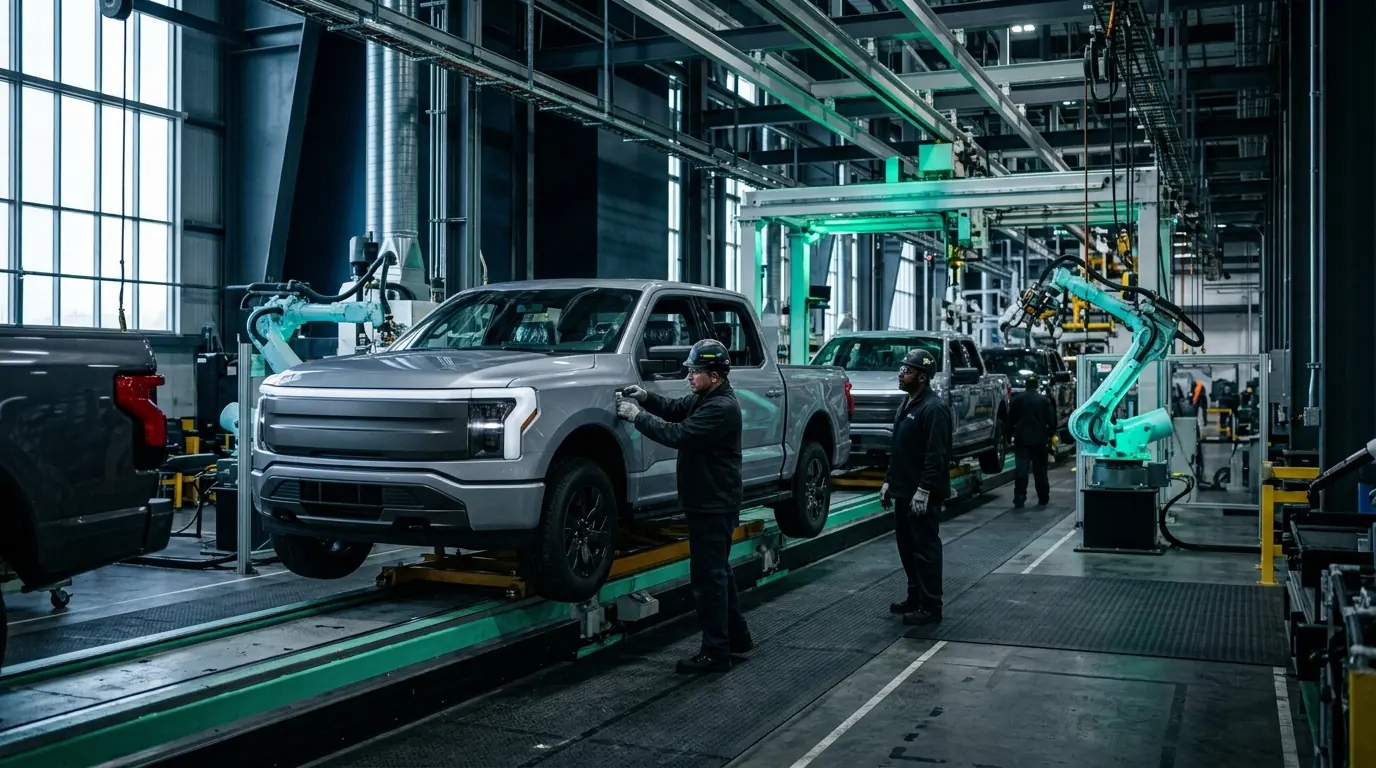
Detroit remains the centre of North American vehicle engineering, with assembly plants, technical centres and supplier headquarters spread across south-east Michigan and into neighbouring Ohio and Ontario. The closed-loop plant opened on the city's east side in 2017, making it the network's oldest site, and it was designed from the start to take material directly from that engineering and manufacturing ecosystem.
With 40,000 TPA of capacity it is the network's largest integrated campus. It handles prototype and validation packs, warranty returns, dealer retirements and plant scrap, grades the modules worth reusing and shreds the rest to black mass for North American refining. Years of intake have given the site the broadest record of pack architectures anywhere in the network. Engineering teams use its reports to understand how their designs aged in the field.
What arrives at the gate
What sets this site apart
Prototype and test-pack handling
Engineering packs with non-standard layouts are disassembled under controlled procedures before grading.
North American black mass
Black mass produced here is refined in North America, supporting customers who document domestic material flows.
Deepest architecture library
Operating since 2017, the plant has handled a wider range of pack designs than any other site.
What happens to material here
- 1
Intake inspection
Packs are logged, thermally scanned and quarantined if damaged, defective or water-exposed.
- 2
Safe discharge
Residual energy is recovered to the site microgrid before any mechanical work begins.
- 3
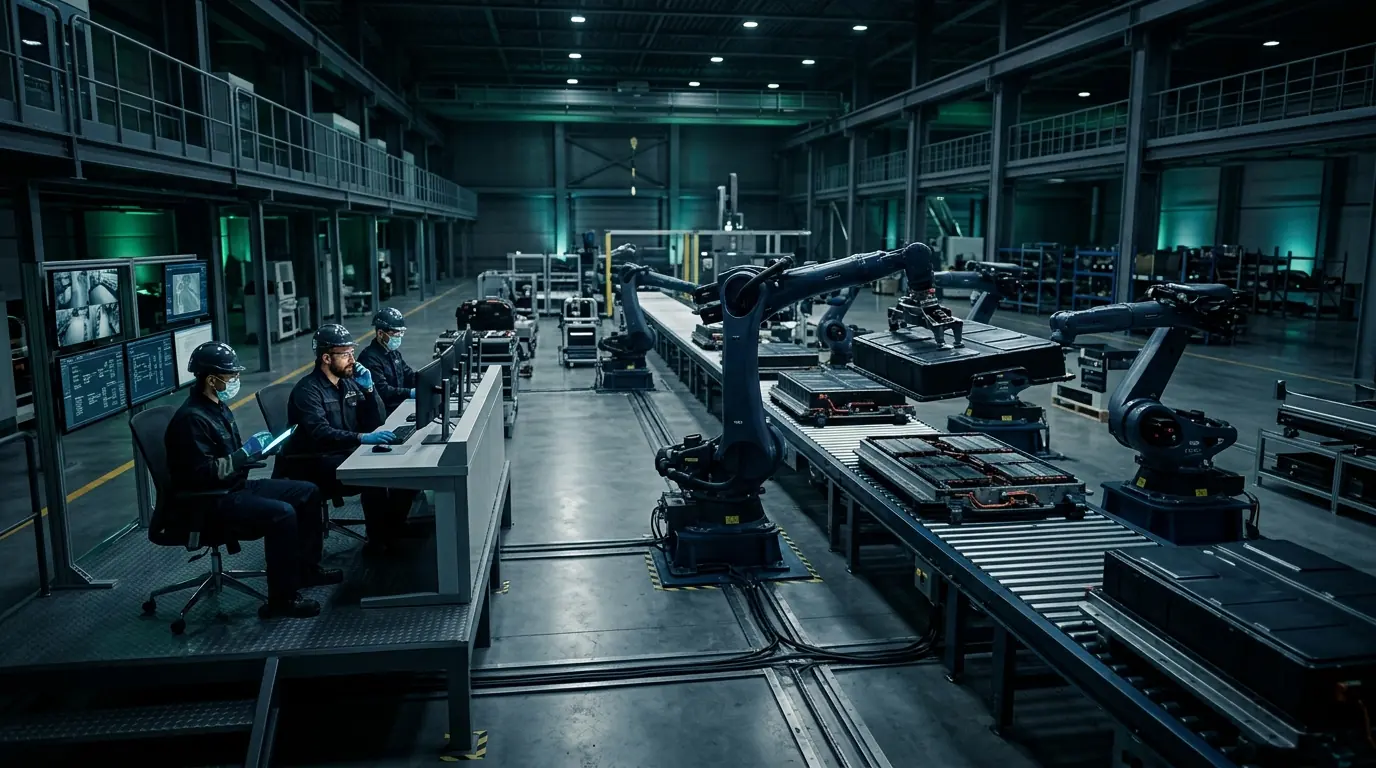
Automated disassembly
Robotic cells remove housings, cooling plates and wiring for separate material streams.
- 4
Grading split
Modules above 75% SOH move to second-life build; everything else is shredded under inert atmosphere.
- 5
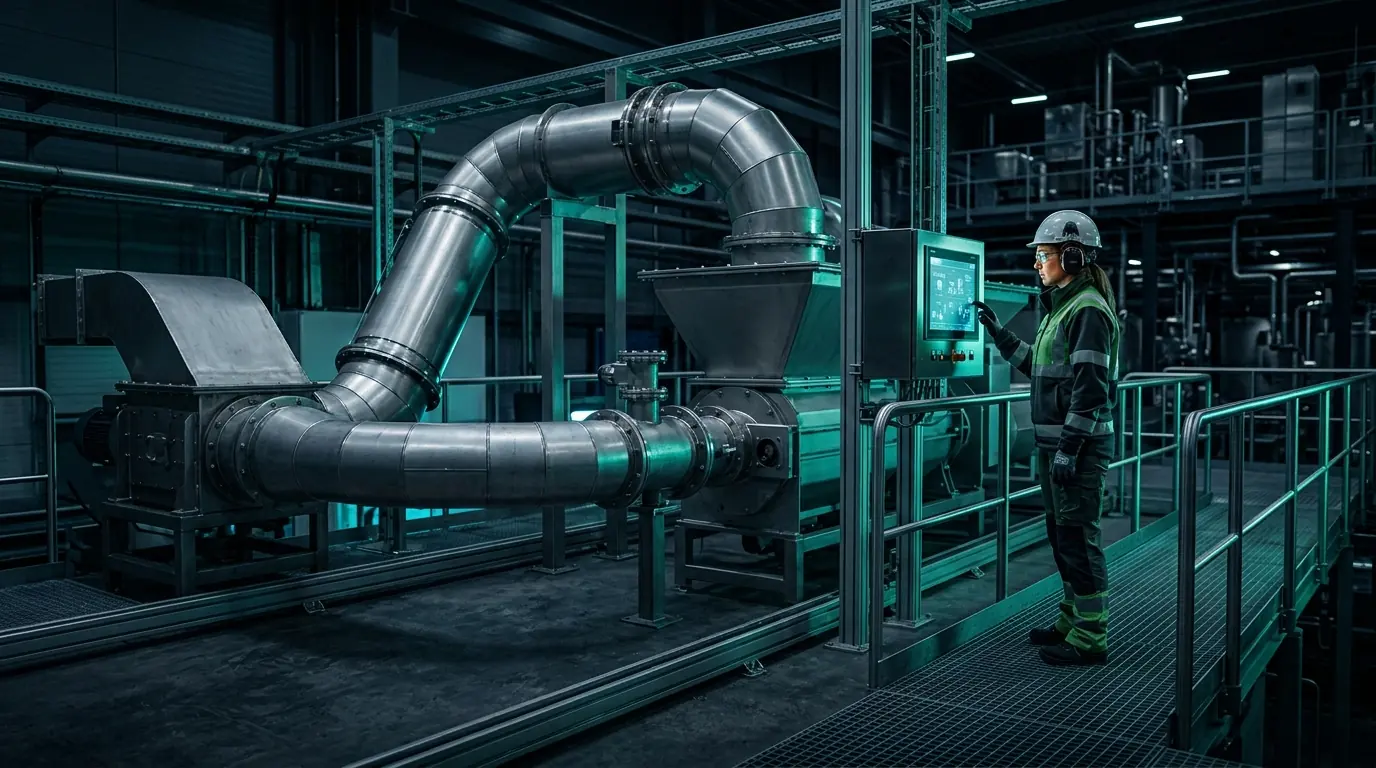
Black mass production
Shredding, drying and multi-stage separation produce a graphite-rich black mass at controlled moisture.
- 6
Refining handover
Black mass is assayed, sealed and shipped to the assigned hydrometallurgical refinery.
Where material goes next
| Role | Facility | Distance |
|---|---|---|
| Cell Grading & Diagnostics | Atlanta — Georgia Grading Centre | 961 km |
| Second-Life BESS Works | Gothenburg — Nordic Second-Life Campus | 6,413 km |
| Hydrometallurgical Refinery | Reno — Nevada Hydrometallurgy Refinery | 3,080 km |
Local rules
EPA universal waste rules, DOT hazardous materials regulations and state programmes · EPA, DOT PHMSA and state environmental agencies
The campus operates under permits administered by Michigan's Department of Environment, Great Lakes, and Energy (EGLE), and manages spent lithium-ion batteries under the US EPA universal waste framework where it applies. Transport follows US DOT hazardous materials regulations for lithium batteries, including the separate provisions for damaged, defective or recalled cells.
Before you book into Detroit, Michigan
- Send architecture drawings or a disassembly note with prototype packs so the right procedure is prepared.
- Engineering centres can book recurring collections for validation and test waste.
- Damaged, defective or recalled units must be declared so they ship under the correct DOT provisions.
- Truck and large commercial packs need advance notice so rigging and crew are scheduled.
Damaged or defective packs are handled under a separate quarantine protocol — flag them in the form and the team calls you back the same day.
Detroit, Michigan site: common questions
Can Detroit take prototype battery packs?
Yes. The campus regularly handles engineering and validation packs, ideally with drawings or disassembly guidance supplied at booking.
Does material processed in Detroit stay in North America?
Black mass from the campus is sent to North American refining, which helps customers document domestic processing.
What are the opening hours at Detroit, Michigan?
Monday to Friday 08:00 – 20:00, Saturday 08:00 – 16:00. Sunday: emergency and damaged-pack intake only, by prior booking.
How do I book a collection into Detroit, Michigan?
Use the booking button on this page with pack counts, chemistry and condition. The despatch desk confirms a window within one working day and ships UN-approved packaging before collection.