Lyon — Auvergne-Rhone-Alpes Refinery
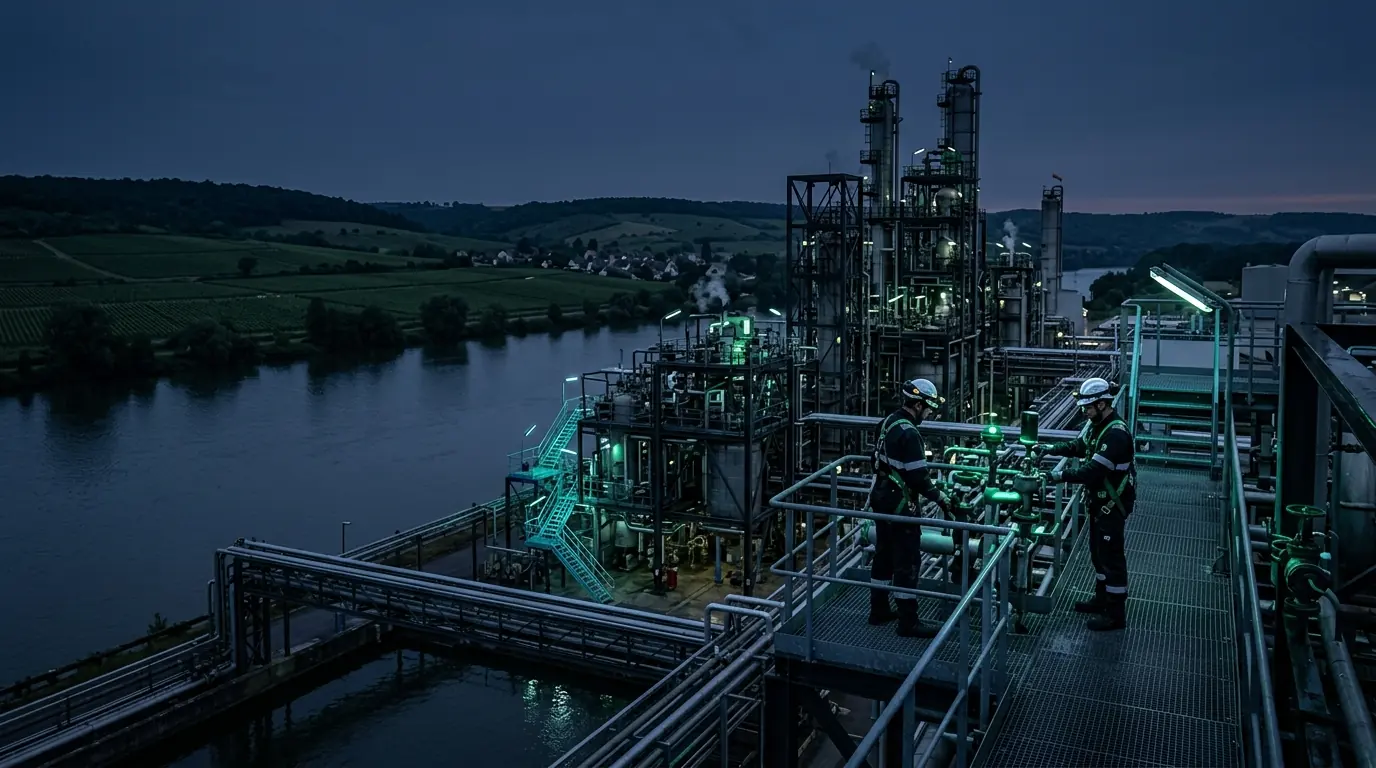
Lyon, France facility: hydrometallurgical refinery converting black mass into battery-grade lithium, nickel, cobalt and manganese salts. Rated at 23,000 tonnes per annum and operating since 2020.
Annual capacity
23,000 TPA
Operating lines
3
Cities collected
3
In operation since
2020
About the Lyon, France facility
The Lyon area is one of France's main chemical and industrial regions, with access to the Rhône corridor and routes to southern Europe. The refinery opened near Saint-Priest in 2020 to process black mass for French and southern European markets, in a region where chemical handling skills and infrastructure are already well established. It is one of three refineries in the network's European operations.
With 23,000 TPA of capacity, the refinery receives black mass from French and southern European sites and produces battery-grade salts. It supports France's growing battery manufacturing sector with locally refined material, and its location makes it a practical destination for black mass from Spain and Italy. Sampling and assay at intake set the basis for settlement, and every output batch ships with an analysis certificate and mass balance record for customers' reporting.
What arrives at the gate
What sets this site apart
Chemical-region location
Located in an established French chemical area.
Southern Europe access
Well placed for France, Spain and Italy.
Local supply for French industry
Supplies refined salts to regional battery manufacturers.
What happens to material here
- 1
Feed assay & sampling
Incoming black mass is homogenised and assayed by ICP-OES for Li, Ni, Co, Mn, Cu, Al and fluoride before it is released to leach.
- 2
Sulphuric acid leaching
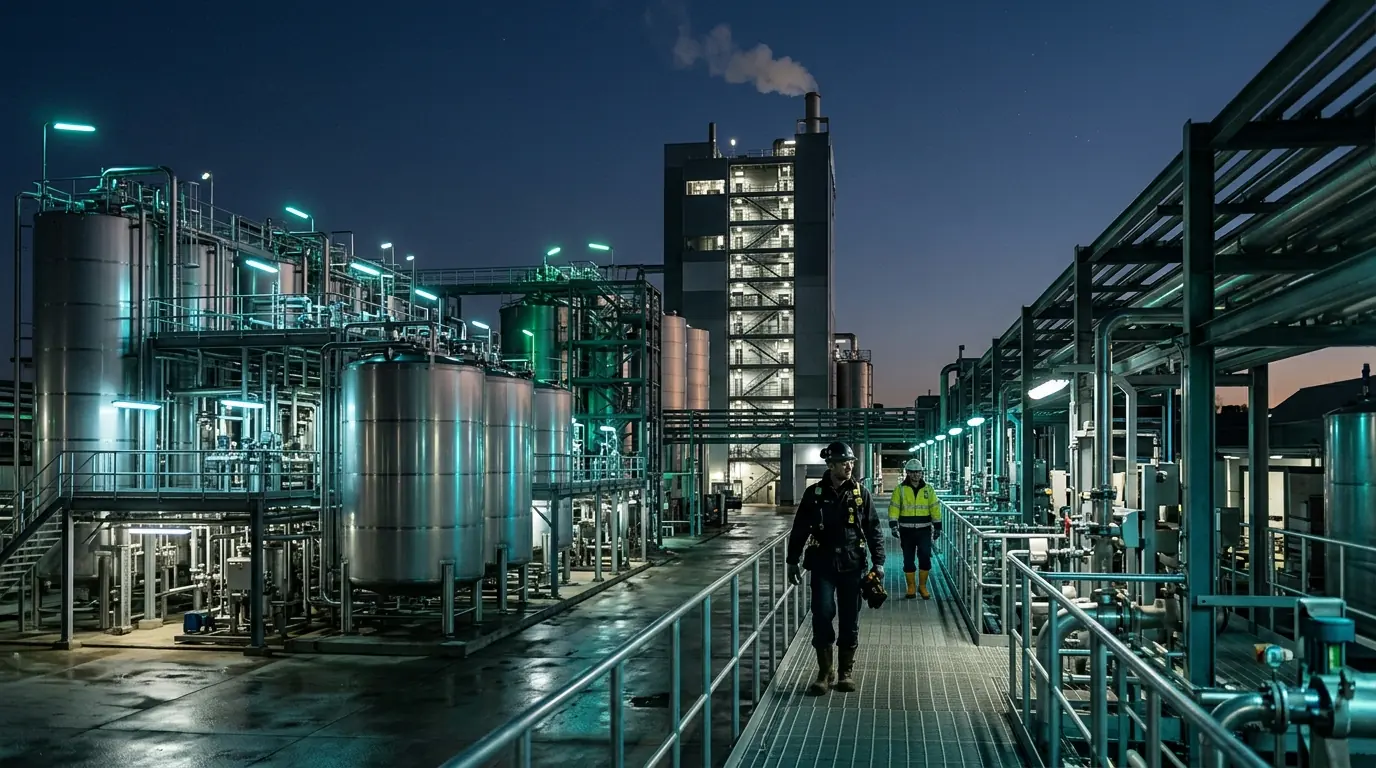
Two-stage leach at 60–85 °C with peroxide reductant dissolves cathode metals at 96–99% extraction efficiency.
- 3
Impurity removal
Iron, aluminium and copper are precipitated and filtered; graphite is recovered as a separate low-ash cake.
- 4
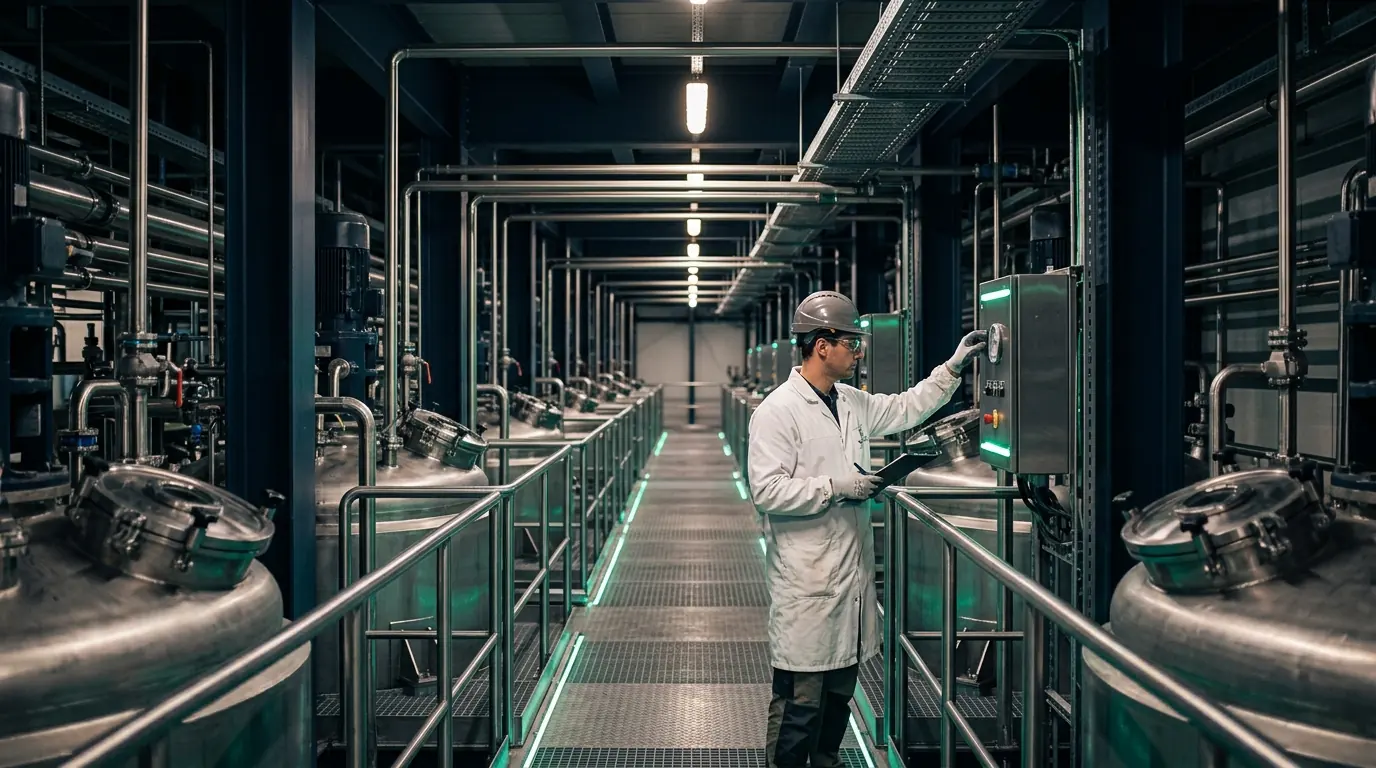
Solvent extraction trains
Sequential Co, Ni and Mn circuits with counter-current mixer-settlers deliver individual metal raffinates.
- 5
Crystallisation & drying
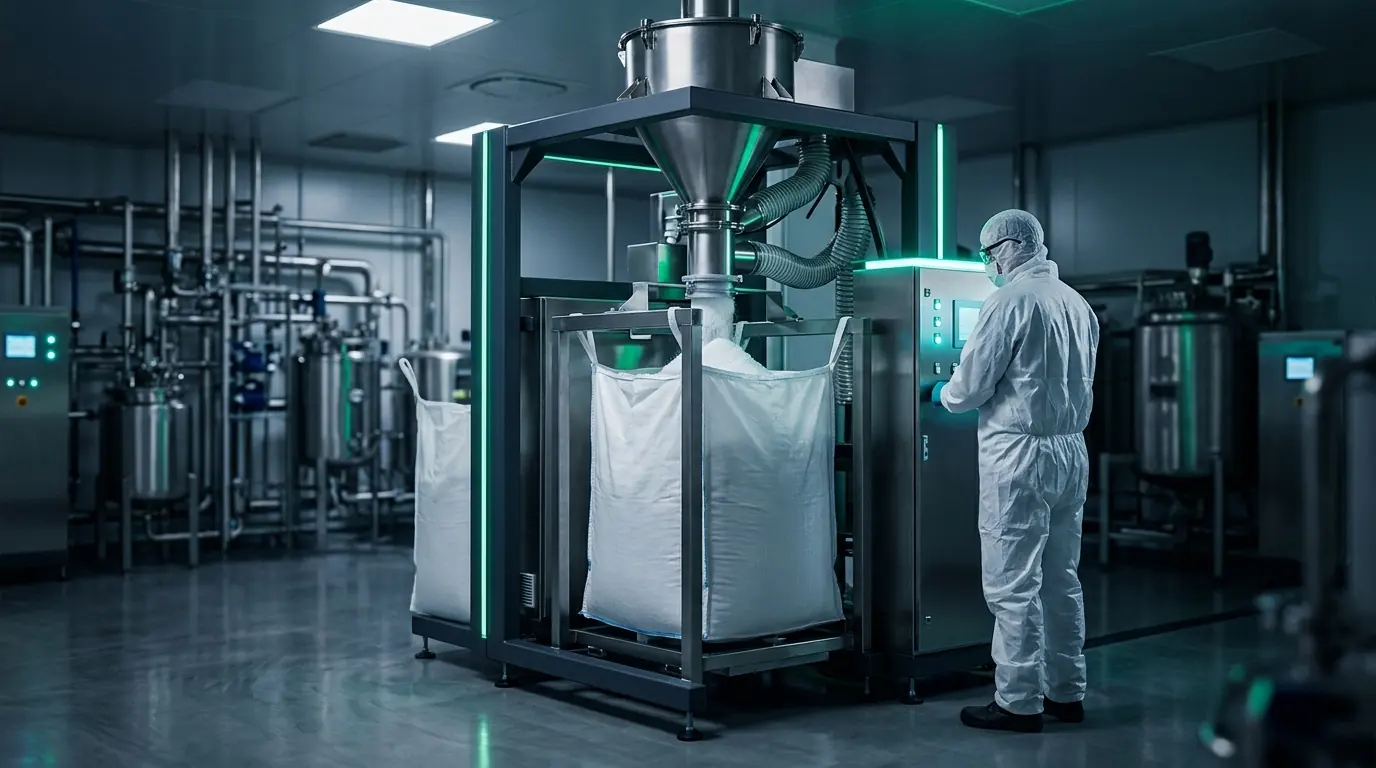
Nickel and cobalt sulphate hexahydrate plus lithium carbonate are crystallised to 99.5%+ battery grade and bagged under nitrogen.
- 6
Batch certification
Every batch ships with a certificate of analysis, mass balance and chain-of-custody record for EPR and IRA reporting.
Where material goes next
| Role | Facility | Distance |
|---|---|---|
| Cell Grading & Diagnostics | Stuttgart — Baden-Wurttemberg Grading Works | 469 km |
| Second-Life BESS Works | Zwickau — Saxony Second-Life Works | 790 km |
| Integrated Recovery Campus | Toronto — Ontario Recovery Campus | 6,333 km |
Local rules
EU Battery Regulation (EU) 2023/1542 and the French EPR (REP) system · Ministry for Ecological Transition, with ADEME overseeing producer responsibility schemes
The refinery operates under French permitting for classified installations (ICPE) and the EU Battery Regulation (EU) 2023/1542. Waste shipments follow the EU Waste Shipment Regulation.
Before you book into Lyon, France
- Only black mass and scrap are accepted.
- Cross-border shipments need prior documentation.
- Bulk bags must be sealed and labelled.
- Settlement follows assay at intake.
Damaged or defective packs are handled under a separate quarantine protocol — flag them in the form and the team calls you back the same day.
Lyon, France site: common questions
What does Lyon produce?
Battery-grade salts refined from black mass feed.
Does Lyon accept material from Spain or Italy?
Yes, subject to waste shipment rules.
What are the opening hours at Lyon, France?
Monday to Friday 08:00 – 20:00, Saturday 08:00 – 16:00. Sunday: emergency and damaged-pack intake only, by prior booking.
How do I book a collection into Lyon, France?
Use the booking button on this page with pack counts, chemistry and condition. The despatch desk confirms a window within one working day and ships UN-approved packaging before collection.