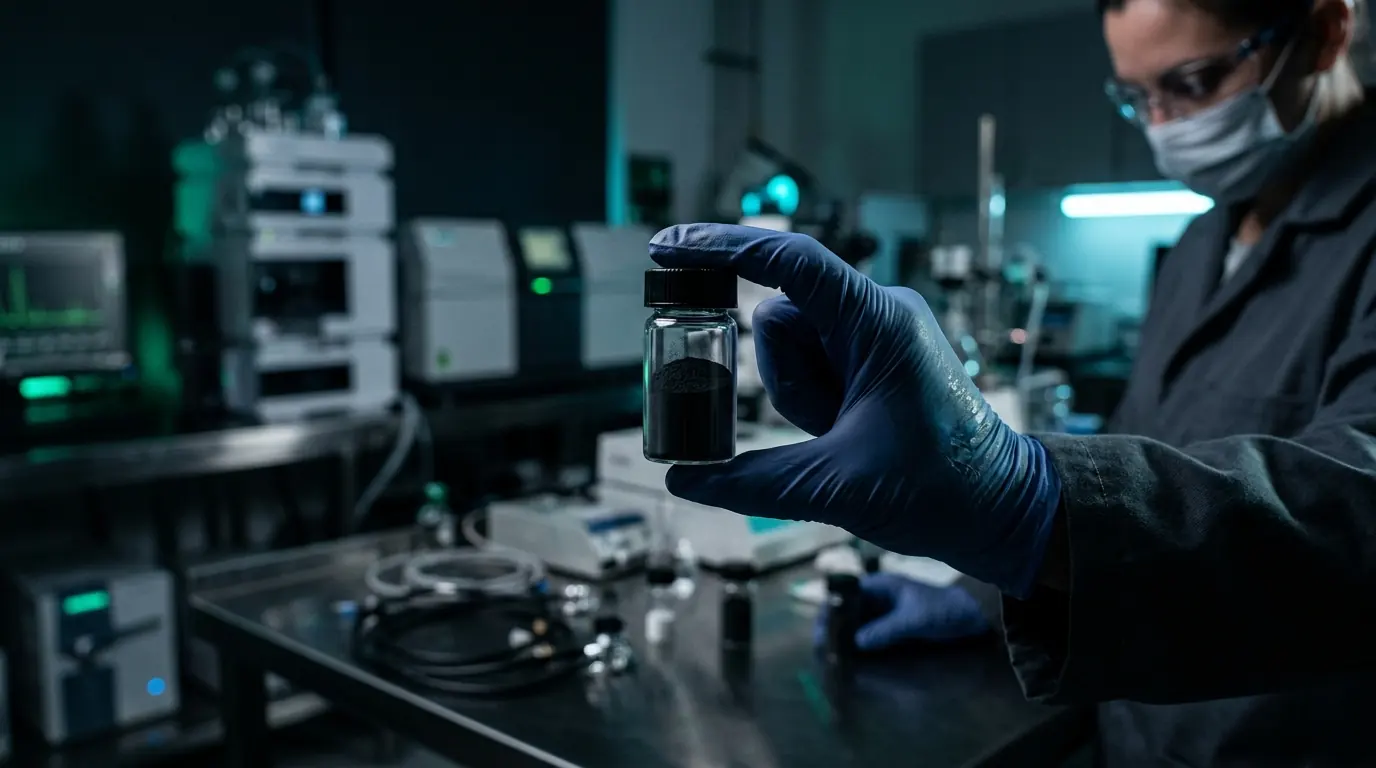
Where production scrap comes from
Battery manufacturing generates scrap at several stages: electrode coating and slitting offcuts, rejected electrodes, cells that fail formation or quality checks, and modules or packs rejected during assembly. During ramp-up, when processes are still being optimised, scrap rates are typically higher than in mature production.
The material ranges from uncharged electrode foils to fully formed cells holding energy. That range matters because it determines how the scrap must be handled, stored and transported, and which recycling process suits it best.
Why recyclers value it
Production scrap is usually a single, known chemistry with little contamination. It arrives from a small number of locations in predictable volumes, with clear documentation. That makes it easier to process and gives more consistent output than mixed end-of-life material.
For the recycling industry, scrap has provided an early source of feedstock while end-of-life EV volumes are still relatively small. It also allows closer collaboration between recyclers and manufacturers, including closed-loop arrangements where recovered materials return to the same supply chain.
| Scrap type | Energy state | Typical handling |
|---|---|---|
| Electrode offcuts | No stored energy | Bulk collection, reduced hazard |
| Rejected electrodes | No stored energy | Segregated by chemistry |
| Formation rejects | Charged | Dangerous goods handling |
| Rejected modules or packs | Charged | Dangerous goods handling, inspection |
Handling and contracting
Uncharged electrode scrap is less hazardous but can still contain reactive materials and solvents. Charged cells and modules are dangerous goods and must be discharged, packaged and transported accordingly. Plants should segregate scrap by type and chemistry at source to protect its value.
Contracts for production scrap often run for several years and include take-back of recovered materials or price terms linked to metal indices. Manufacturers should check how scrap-derived material is treated under recycled content rules in their markets, because methodologies can differ between pre-consumer and post-consumer material.
- Segregate by chemistry and energy state
- Discharge charged cells before shipment where possible
- Agree long-term offtake with recovered material return
- Check recycled content treatment for scrap
Field note