EVBatteryRecycling
Guide · Compliance & EPR

EV Battery Collection and Compliance Around Warsaw, Mazovia

Who must register, what paperwork travels with a pack, and how certificates are issued in the Warsaw, Mazovia catchment.

PN

Priya Nair

EPR & Compliance Lead

3 min read Updated 2026-06-05
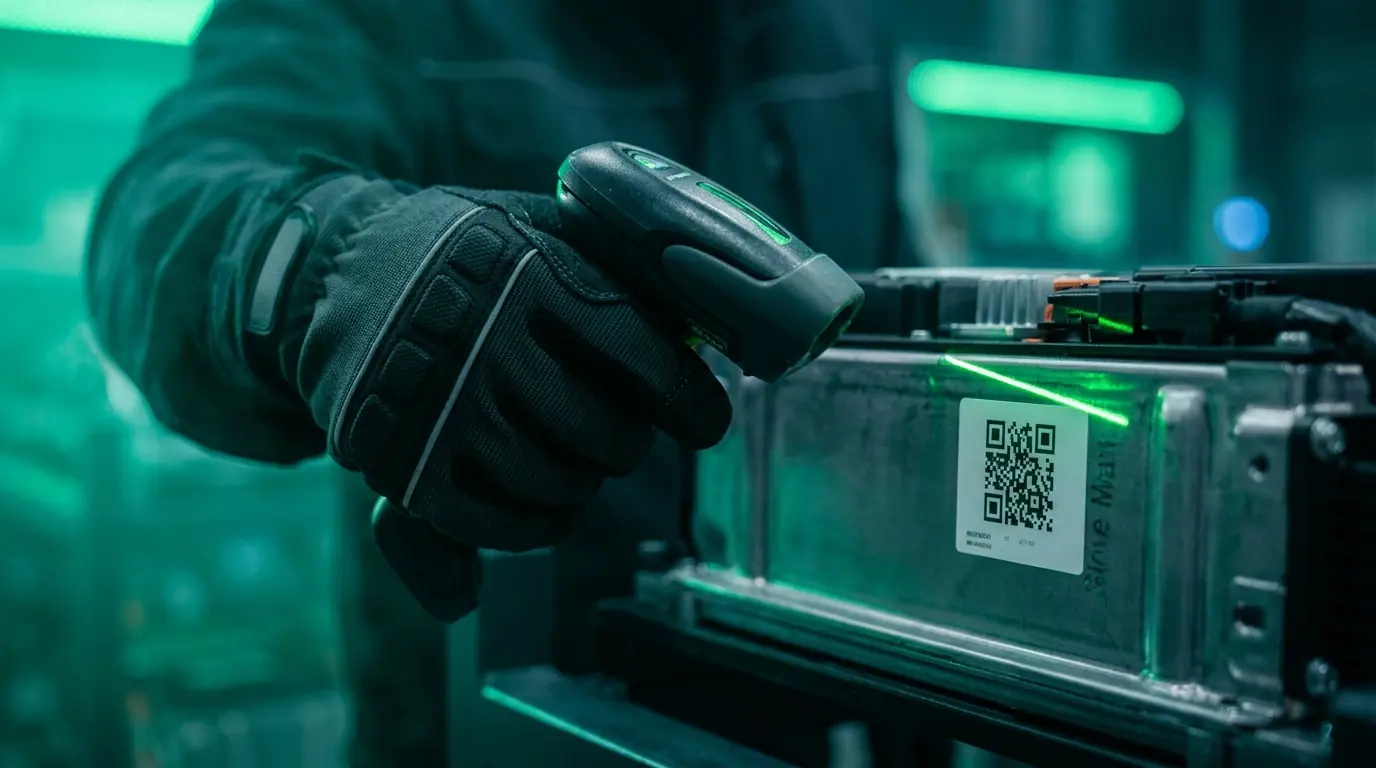
Close-up of a hand scanning a QR code on an EV battery module label

The short answer

Battery end-of-life around Warsaw, Mazovia falls under EU Battery Regulation (EU) 2023/1542 and the Polish Act on Batteries and Accumulators, overseen by Chief Inspectorate of Environmental Protection (GIOS), with the BDO waste database. Holders must transfer retired packs to an authorised operator and keep the recovery certificate; our Warsaw, Mazovia site issues certificates covering quantity, recovery percentage and downstream vendor disclosure.

On this page6 sections

Key takeaways

  1. 1Framework: EU Battery Regulation (EU) 2023/1542 and the Polish Act on Batteries and Accumulators.
  2. 2Regulator: Chief Inspectorate of Environmental Protection (GIOS), with the BDO waste database.
  3. 3Every consignment moves as Class 9 dangerous goods with a chain-of-custody record.
  4. 4Keep recovery certificates for the statutory retention period.
01

The rules that apply in Poland

The EU Battery Regulation (EU) 2023/1542 applies directly, replacing the old Batteries Directive with extended producer responsibility, collection and material recovery targets, recycled-content rules and, from February 2027, a digital battery passport for EV and larger industrial batteries. In Poland, producers and waste handlers must register in the BDO database, and treatment sites need permits from regional authorities.

Poland hosts one of Europe's largest cell factories, so production scrap is a major feedstock alongside growing end-of-life volumes.

02

What producers and holders must do

Producer responsibility follows whoever placed the battery on the market, but the practical burden often lands on the fleet or workshop holding the retired asset.

  • Register in the BDO database before placing batteries on the market or handling waste
  • Meet collection targets directly or through a collection organisation
  • Use permitted treatment facilities and keep BDO transfer records
  • Prepare battery passport data for in-scope batteries
03

Local permitting around Warsaw, Mazovia

The centre operates under Polish environmental permits and the EU Battery Regulation (EU) 2023/1542. Transport follows ADR dangerous-goods rules, and cross-border movements follow EU waste shipment requirements.

04

The document set

Road transport follows ADR, and cross-border shipments follow the EU Waste Shipment Regulation. Each consignment carries a dangerous goods declaration, a transporter authorisation, a weighbridge record and a chain-of-custody sheet.

DocumentWhenPurpose
Dangerous goods declarationBefore pickupUN 3480 / UN 3481 classification and damage status
Chain-of-custody sheetAt handoverLinks serials to transporter and destination
Weighbridge recordAt gate-inVerified mass for certificates and settlement
Recovery certificateAfter processingQuantity, recovery per metal and downstream vendors
Documents that travel with, or follow, each consignment.
05

Booking a collection in the Warsaw, Mazovia catchment

These site-specific notes help collections run on time.

  • Cross-border loads need appropriate shipment documents.
  • Bus operators should book in advance for large packs.
  • Send a serial list with each load.
  • Declare damaged packs before collection.
Questions

Frequently asked questions

Which rules govern battery recycling around Warsaw, Mazovia?

EU Battery Regulation (EU) 2023/1542 and the Polish Act on Batteries and Accumulators, overseen by Chief Inspectorate of Environmental Protection (GIOS), with the BDO waste database. The centre operates under Polish environmental permits and the EU Battery Regulation (EU) 2023/1542.

Is a recycling certificate mandatory?

In most jurisdictions yes — the certificate is the auditable proof that a producer or holder discharged its obligation. Keep it for the statutory retention period, commonly five years.

How quickly is the certificate issued?

Provisional certificates are issued within 48 hours of gate-in; final certificates follow completion of grading and refining feed, typically within 21 days.

Turn this into a plan for your packs

Send pack counts, chemistry and approximate state of health. You get an indicative value split, a slotted collection window and pre-filled dangerous goods paperwork.

Run the yield calculator
Keep reading

More on compliance & epr