Ulsan — Korea Recovery Campus
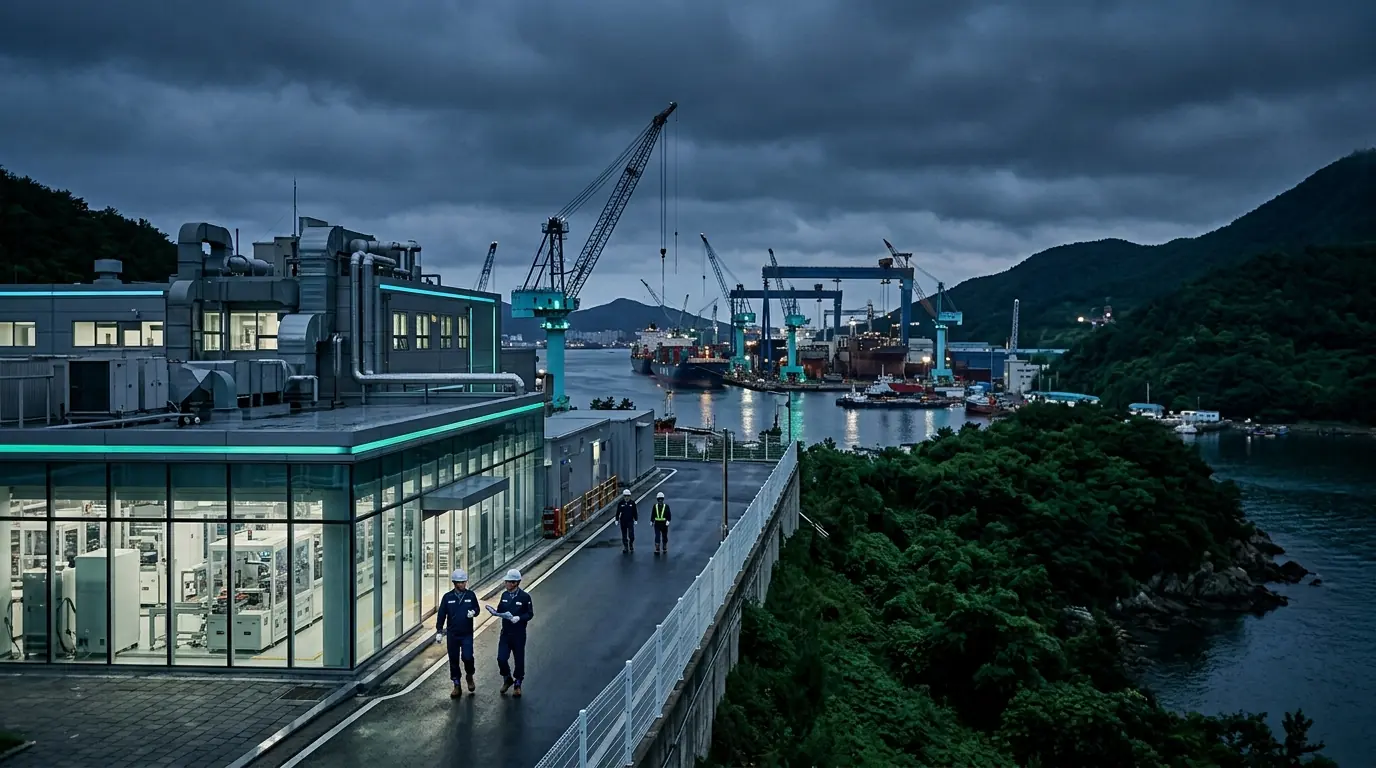
Ulsan, South Korea facility: integrated campus running disassembly, grading, second-life build and black mass production on one site. Rated at 34,000 tonnes per annum and operating since 2019.
Annual capacity
34,000 TPA
Operating lines
3
Cities collected
2
In operation since
2019
About the Ulsan, South Korea facility
Ulsan is South Korea's industrial powerhouse, home to one of the world's largest vehicle production complexes, major shipyards and petrochemical plants. The recovery campus opened in Buk-gu in 2019 to process material from Korea's vehicle and battery industries, close to where much of it is produced. Its catchment covers the south-east of the Korean peninsula, including the Busan and Changwon industrial areas.
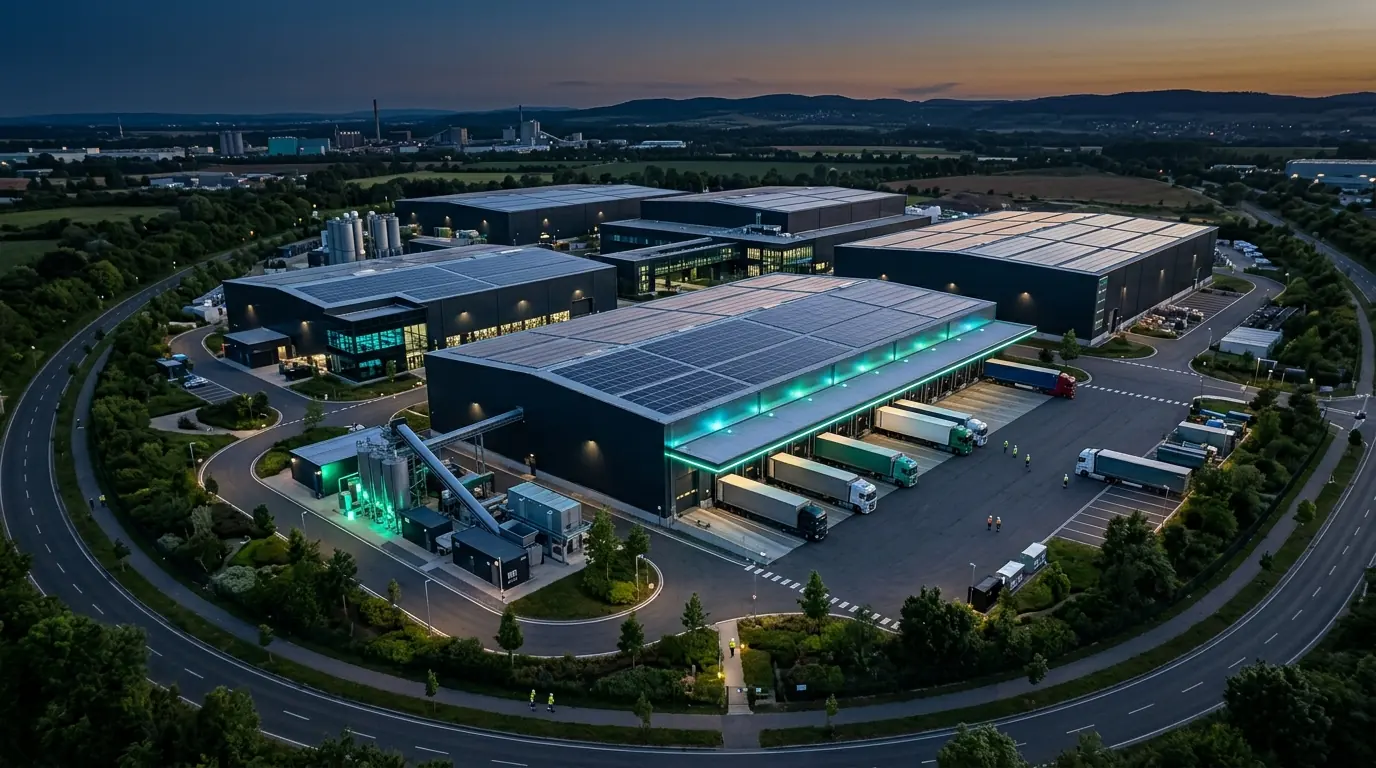
At 34,000 TPA, the integrated campus handles packs, modules and production scrap from intake through to black mass. Manufacturing scrap is a large share of its intake, reflecting the scale of Korean battery and vehicle production, alongside retired passenger, bus and commercial packs from domestic fleets. Modules that pass grading are released for second-life use, and black mass from the campus is sent to refining.
What arrives at the gate
What sets this site apart
Industrial-city location
Next to large vehicle, shipbuilding and chemical industries.
Full processing route
Grading, disassembly and black mass production on one site.
High-volume scrap
Handles large volumes of manufacturing scrap.
What happens to material here
- 1
Intake inspection
Packs are logged, thermally scanned and quarantined if damaged, defective or water-exposed.
- 2
Safe discharge
Residual energy is recovered to the site microgrid before any mechanical work begins.
- 3
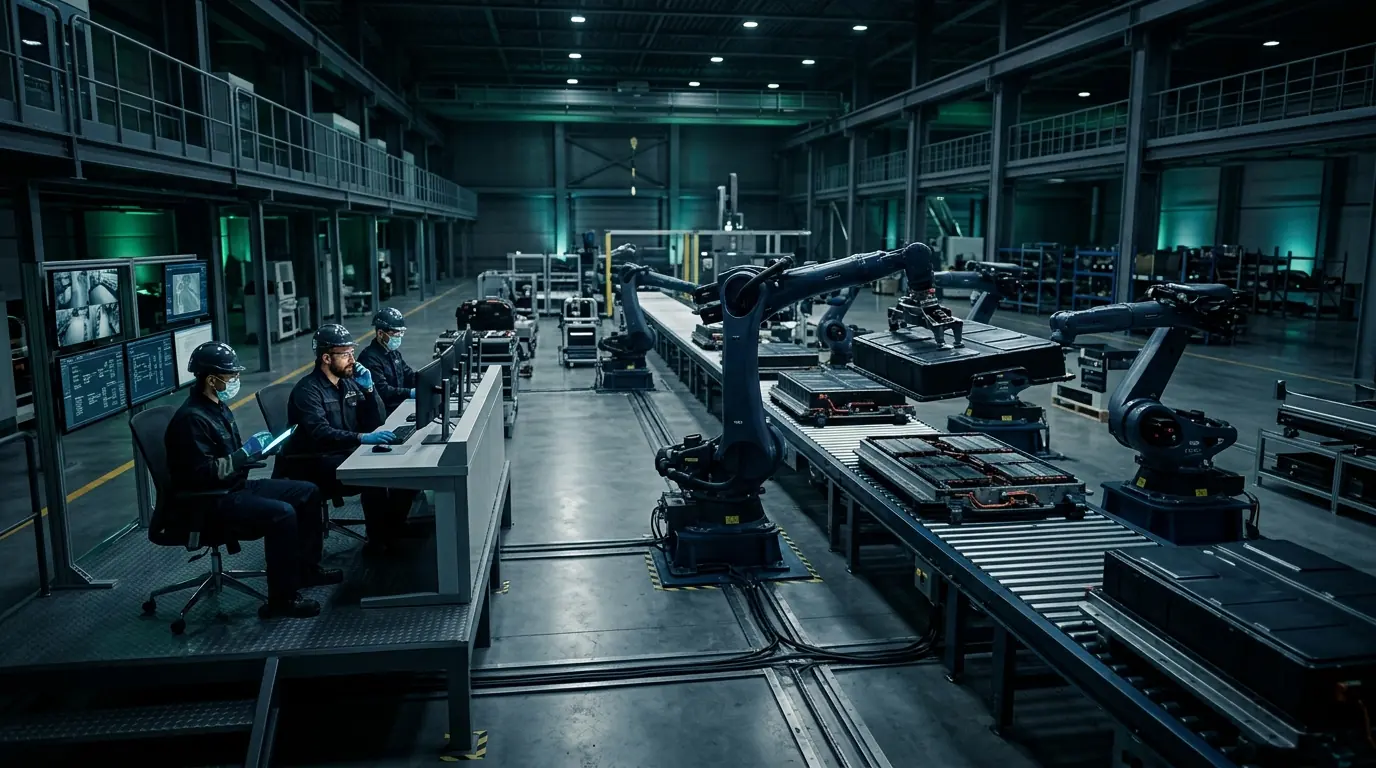
Automated disassembly
Robotic cells remove housings, cooling plates and wiring for separate material streams.
- 4
Grading split
Modules above 75% SOH move to second-life build; everything else is shredded under inert atmosphere.
- 5
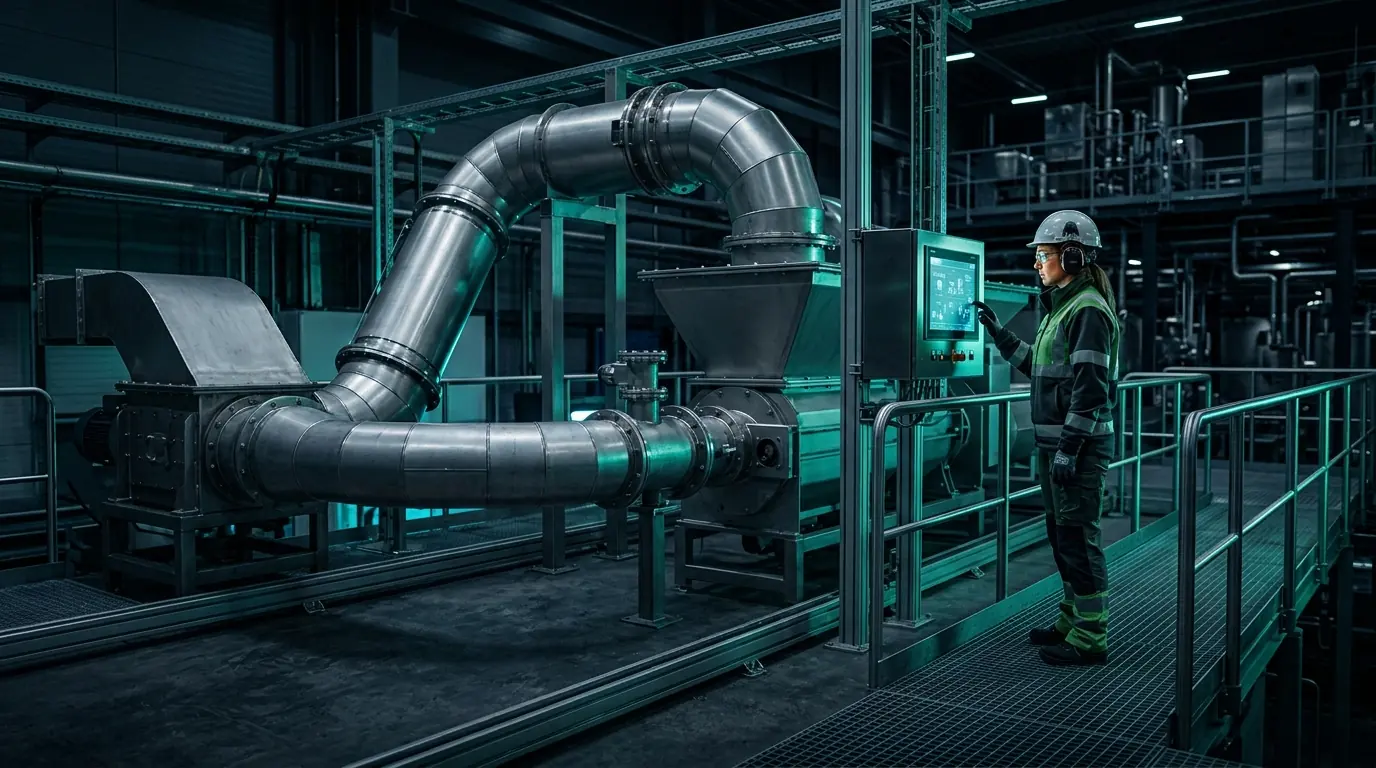
Black mass production
Shredding, drying and multi-stage separation produce a graphite-rich black mass at controlled moisture.
- 6
Refining handover
Black mass is assayed, sealed and shipped to the assigned hydrometallurgical refinery.
Where material goes next
| Role | Facility | Distance |
|---|---|---|
| Cell Grading & Diagnostics | Yokohama — Kanagawa Diagnostics Works | 935 km |
| Second-Life BESS Works | Gothenburg — Nordic Second-Life Campus | 8,121 km |
| Hydrometallurgical Refinery | Ningde — Fujian Refining Base | 1,354 km |
Local rules
Act on Resource Circulation of Electrical and Electronic Equipment and Vehicles · Ministry of Environment, with Korea Environment Corporation
The campus operates under Korean environmental permitting and national rules on waste and resource recycling, including producer responsibility schemes. Transport follows Korean dangerous goods regulations.
Before you book into Ulsan, South Korea
- Manufacturers can arrange recurring scrap collections.
- Declare chemistry and format at booking.
- Large packs need advance notice.
- Damaged units require special handling.
Damaged or defective packs are handled under a separate quarantine protocol — flag them in the form and the team calls you back the same day.
Ulsan, South Korea site: common questions
Does Ulsan handle factory scrap?
Yes. Manufacturing scrap is one of its largest feedstocks.
Is black mass produced in Ulsan?
Yes, from material that fails grading.
What are the opening hours at Ulsan, South Korea?
Monday to Friday 08:00 – 20:00, Saturday 08:00 – 16:00. Sunday: emergency and damaged-pack intake only, by prior booking.
How do I book a collection into Ulsan, South Korea?
Use the booking button on this page with pack counts, chemistry and condition. The despatch desk confirms a window within one working day and ships UN-approved packaging before collection.