EVBatteryRecycling
Guide · Compliance & EPR

US IRA Title IV and Domestic Battery Material Sourcing

Recycled battery materials processed in North America can count toward domestic content thresholds regardless of where the original material was mined, which makes domestic recycling capacity strategically valuable to vehicle makers claiming credits.

PN

Priya Nair

EPR & Compliance Lead

3 min read Updated 2026-08-24
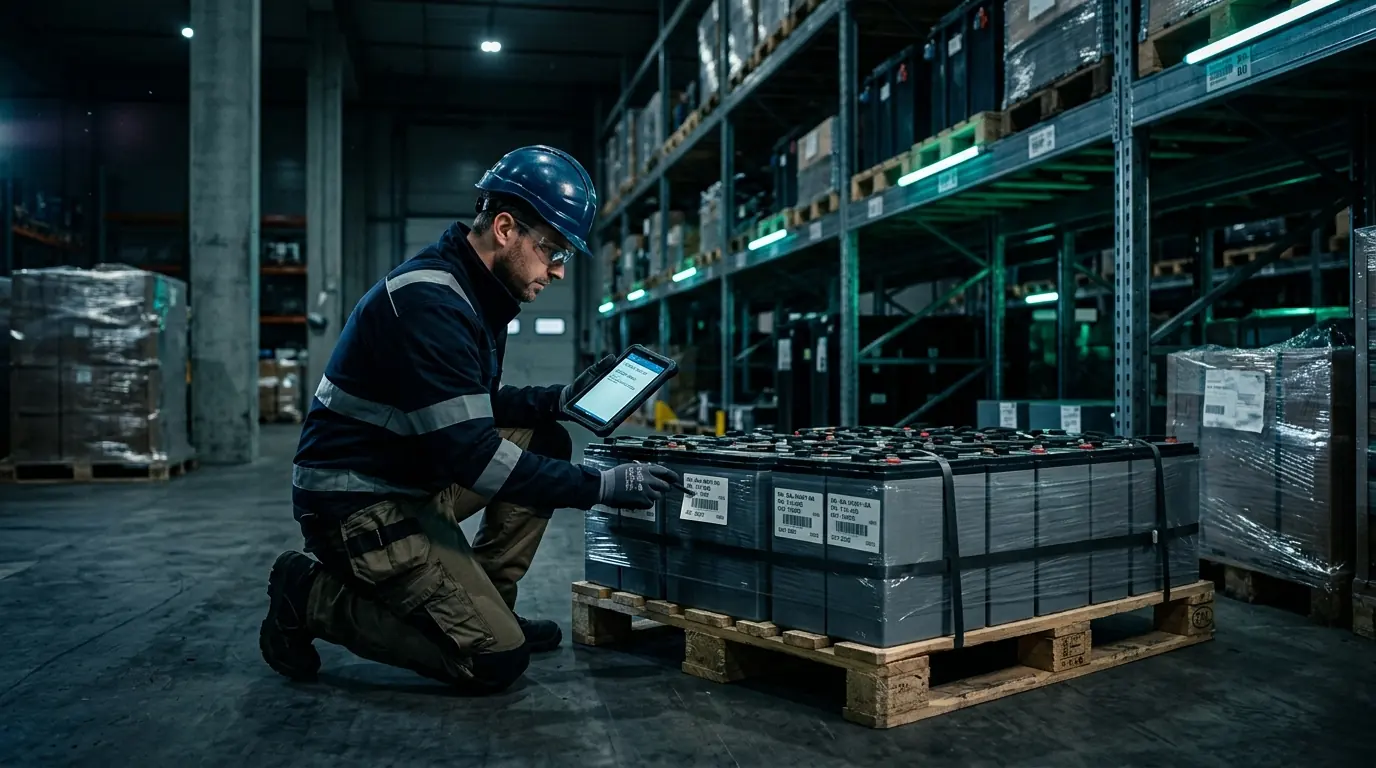
Auditor with a tablet reviewing serial labels on battery pallets in a warehouse

The short answer

Recycled battery materials processed in North America can count toward domestic content thresholds regardless of where the original material was mined, which makes domestic recycling capacity strategically valuable to vehicle makers claiming credits.

On this page4 sections

Key takeaways

  1. 1US clean-energy incentives have linked battery value to where critical minerals are extracted, processed or recycled.
  2. 2Materials recycled in North America have been treated favourably under clean vehicle credit sourcing rules.
  3. 3Foreign entity of concern restrictions shape which supply chains qualify.
  4. 4Incentive rules have changed through later legislation, so current eligibility must be checked.
01

How sourcing rules shaped the market

The Inflation Reduction Act of 2022 tied the Section 30D clean vehicle credit to battery sourcing requirements. Part of the credit depended on a rising share of the value of critical minerals being extracted or processed in the United States or a free trade agreement partner, or recycled in North America. The rest depended on the share of battery components manufactured or assembled in North America.

That recycling provision made domestic recycling strategically important. Recovered metals processed in North America could help vehicles qualify, which encouraged investment in collection, black mass production and refining capacity across the United States and Canada, and increased interest in securing end-of-life packs and production scrap.

02

Foreign entity of concern restrictions

Sourcing rules also excluded batteries containing components or critical minerals from foreign entities of concern, as defined in the legislation and Treasury guidance. For recyclers and their customers, this means ownership and control of processing facilities, as well as the origin of materials, can affect whether recovered material supports incentive eligibility.

Demonstrating compliance requires detailed supply chain tracing: where material was collected, where it was processed and who controlled each step. Recyclers supplying into incentive-linked supply chains are typically asked to provide documentation to that level.

  • Location of extraction, processing or recycling
  • Ownership and control of each facility in the chain
  • Traceable records linking outputs to inputs
03

A changing policy landscape

US incentives have not stood still. Legislation passed in 2025 ended the Section 30D credit for vehicles acquired after 30 September 2025 and altered other clean-energy credits, while manufacturing incentives such as the Section 45X advanced manufacturing production credit continue under revised conditions and schedules. Grant programmes supporting battery recycling have also been subject to review.

For businesses, the lesson is to base investment cases on durable fundamentals, such as domestic supply security, lower-carbon materials and customer demand for recycled content, rather than on a single incentive. Where incentives remain relevant, eligibility should be confirmed against current law and guidance before contracts are signed.

Field note

Check current Treasury and IRS guidance before relying on any incentive in a pricing or investment decision.
Questions

Frequently asked questions

Does recycled material still matter in the US without the 30D credit?

Yes. Domestic supply security, manufacturing credits, customer sustainability commitments and state-level rules continue to support demand for North American recycled material.

Is Canadian recycling treated as domestic?

The IRA's clean vehicle sourcing rules referred to recycling in North America, which included Canada and Mexico. Other programmes may define eligibility differently.

Turn this into a plan for your packs

Send pack counts, chemistry and approximate state of health. You get an indicative value split, a slotted collection window and pre-filled dangerous goods paperwork.

Run the yield calculator
Keep reading

More on compliance & epr

Checklist · 3 minBattery Passport Data: What to Collect from Day OnePassport-ready data starts at manufacture: cell chemistry and supplier, pack architecture, carbon footprint, recycled content by metal, and a lifetime record of state of health, faults and ownership transfers, all tied to a persistent unique identifier.Data Brief · 3 minRecycled Content Targets: What Cell Makers Must Hit and WhenEU rules set minimum recycled content thresholds per metal, rising in phases through the 2030s, with cobalt and lead at the higher end and lithium and nickel lower initially.Checklist · 3 minAuditing a Battery Recycler: 20 Questions to AskAuditing a recycler means verifying registrations, mass balance, downstream vendor disclosure, insurance, site safety and the ability to produce a certificate that survives a regulator's inspection.Guide · 3 minEU Battery Regulation and the Digital Battery PassportFrom February 2027, EV and industrial batteries placed on the EU market need a digital battery passport carrying carbon footprint, recycled content, material composition and state-of-health data, accessible via a QR code for the battery's full life.Explainer · 3 minMass Balance Accounting for Battery WasteMass balance tracks every kilogram entering a facility against outputs, losses and stock on hand.Explainer · 3 minEPR Certificates: How They Are Generated and TradedAn EPR certificate is issued by a registered recycler for a verified quantity of battery waste processed, and transferred to a producer to offset its obligation.