EVBatteryRecycling
Data Brief · Compliance & EPR

Recycled Content Targets: What Cell Makers Must Hit and When

EU rules set minimum recycled content thresholds per metal, rising in phases through the 2030s, with cobalt and lead at the higher end and lithium and nickel lower initially.

PN

Priya Nair

EPR & Compliance Lead

3 min read Updated 2025-08-11
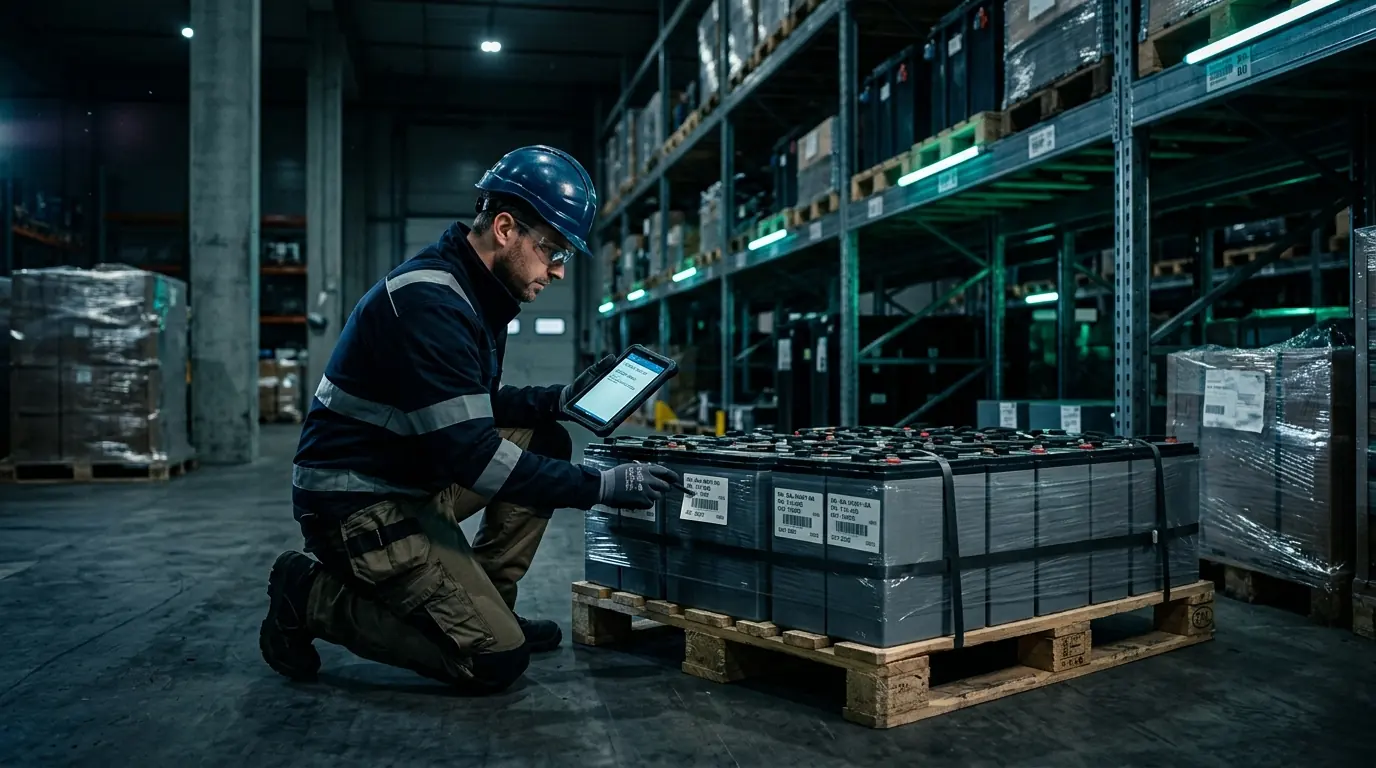
Auditor with a tablet reviewing serial labels on battery pallets in a warehouse

The short answer

EU rules set minimum recycled content thresholds per metal, rising in phases through the 2030s, with cobalt and lead at the higher end and lithium and nickel lower initially. Cell makers must document recycled input by mass, verified through chain-of-custody records.

On this page4 sections

Key takeaways

  1. 1The EU Battery Regulation sets minimum recycled content shares for cobalt, lithium, nickel and lead.
  2. 2Documentation of recycled content comes first; binding minimum shares follow in later phases.
  3. 3India's Battery Waste Management Rules also introduce requirements for domestically recycled material.
  4. 4Meeting targets requires verified supply chains, not just purchased material.
01

The EU framework

Regulation (EU) 2023/1542 requires certain batteries, including EV batteries and industrial batteries with internal storage, to document the share of cobalt, lead, lithium and nickel recovered from waste present in their active materials. Documentation obligations come first, with the calculation and verification methodology set by a delegated act.

Binding minimum shares then follow in two steps. The regulation sets initial minimum levels from 2031 and higher levels from 2036, and gives the Commission powers to review them in light of market conditions. Cell makers and battery producers selling into the EU need to plan supply contracts now, because recycled material capacity takes years to build.

MaterialFrom 2031From 2036
Cobalt16%26%
Lithium6%12%
Nickel6%15%
Lead85%85%
EU minimum recycled content levels in the regulation

Field note

Timelines may shift through delegated acts — confirm the current dates before building contracts around them.
02

India's approach

India's Battery Waste Management Rules 2022 also address recycled material use, setting obligations on producers to use a minimum share of domestically recycled materials in new batteries, phased in over several years and differentiated by battery category. The aim is to build domestic recycling capacity alongside the growth in battery demand.

For producers, that means recycled content is not only an export consideration but a domestic compliance matter. Securing supply from registered Indian recyclers and keeping records of material origin will be necessary to demonstrate compliance as the obligations take effect.

03

Building a compliant supply chain

Meeting recycled content requirements depends on proving where material came from. Chain-of-custody records must link recovered metal salts back to specific waste inputs, and the method for attributing recycled content, whether mass balance or physical segregation, must follow the approved methodology.

Cell makers typically secure recycled material through long-term offtake agreements with refiners, sometimes combined with take-back of their own production scrap and end-of-life packs. Qualification of recycled material for cell production takes time, so early engagement between recyclers, precursor producers and cell makers is essential.

  • Map material flows from waste input to cathode precursor
  • Agree the attribution method with auditors early
  • Secure offtake before capacity is committed elsewhere
  • Qualify recycled material in cell production well ahead of deadlines
Questions

Frequently asked questions

Does production scrap count as recycled content?

The EU regulation refers to materials recovered from waste, and the treatment of manufacturing scrap depends on the detailed methodology. Check the delegated act and guidance for how pre-consumer material is handled.

Can recycled content be bought as credits?

Methodologies generally require a traceable link to physical recovered material. Treat any credit-only arrangement with caution until the verification rules are confirmed.

Turn this into a plan for your packs

Send pack counts, chemistry and approximate state of health. You get an indicative value split, a slotted collection window and pre-filled dangerous goods paperwork.

Run the yield calculator
Keep reading

More on compliance & epr

Guide · 3 minUS IRA Title IV and Domestic Battery Material SourcingRecycled battery materials processed in North America can count toward domestic content thresholds regardless of where the original material was mined, which makes domestic recycling capacity strategically valuable to vehicle makers claiming credits.Guide · 3 minEU Battery Regulation and the Digital Battery PassportFrom February 2027, EV and industrial batteries placed on the EU market need a digital battery passport carrying carbon footprint, recycled content, material composition and state-of-health data, accessible via a QR code for the battery's full life.Checklist · 3 minBattery Passport Data: What to Collect from Day OnePassport-ready data starts at manufacture: cell chemistry and supplier, pack architecture, carbon footprint, recycled content by metal, and a lifetime record of state of health, faults and ownership transfers, all tied to a persistent unique identifier.Explainer · 3 minEPR Certificates: How They Are Generated and TradedAn EPR certificate is issued by a registered recycler for a verified quantity of battery waste processed, and transferred to a producer to offset its obligation.Checklist · 3 minAuditing a Battery Recycler: 20 Questions to AskAuditing a recycler means verifying registrations, mass balance, downstream vendor disclosure, insurance, site safety and the ability to produce a certificate that survives a regulator's inspection.Guide · 3 minIndia BWMR 2022: A Producer's Compliance WalkthroughThe Battery Waste Management Rules 2022 make producers responsible for collecting and recycling an escalating percentage of the batteries they place on the market.