How certificates are generated
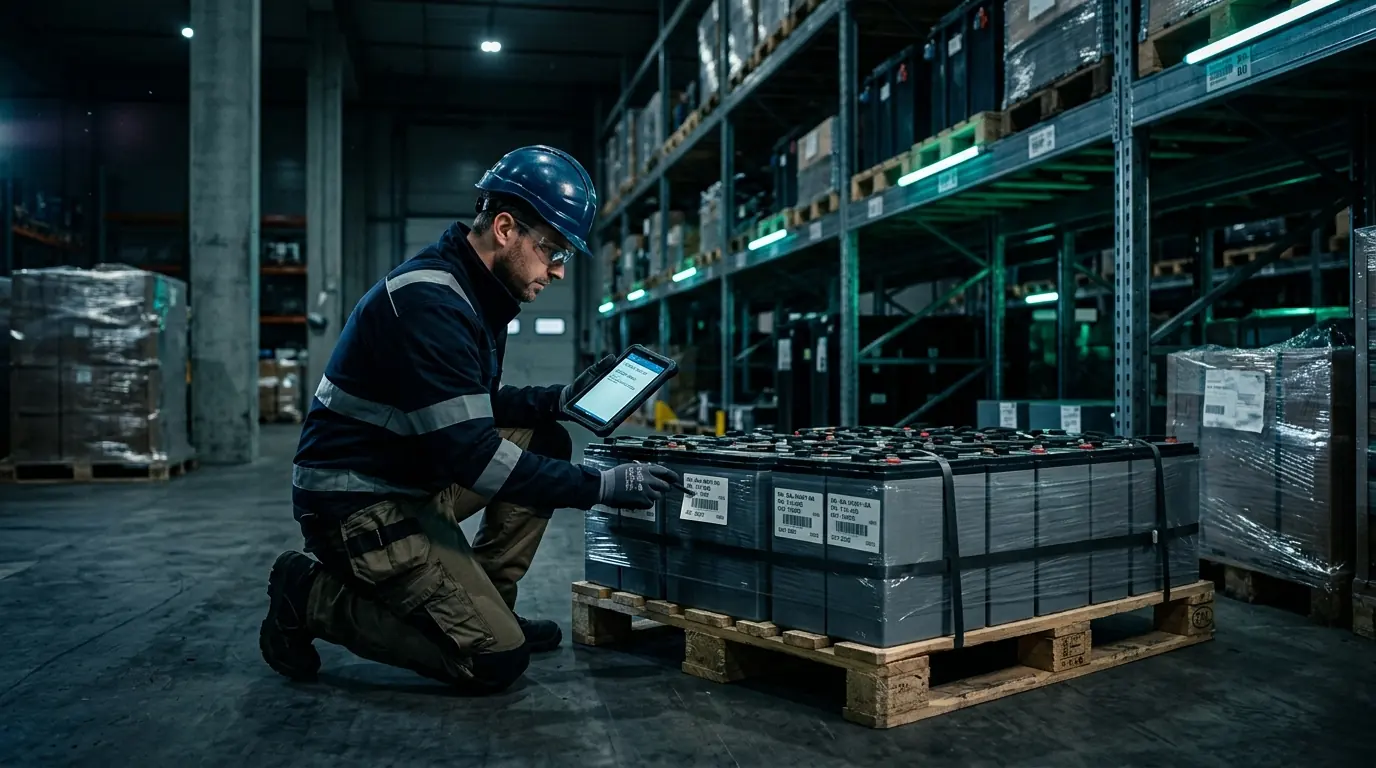
Under Extended Producer Responsibility schemes such as India's Battery Waste Management Rules 2022, registered recyclers and refurbishers generate certificates for the quantity of waste batteries they have processed. The quantity must be supported by records: intake weighbridge tickets, transport documents, processing logs and output records. Certificates are created on the regulator's portal, which ties each one to the generating entity and the reporting period.
The certificate therefore represents a physical event: a tonne of batteries entering a registered facility and being processed as the rules require. That link is what gives the certificate its value, and it is also why regulators audit the underlying mass balance. A certificate without matching physical records is a liability for everyone who handles it.
How certificates change hands
Producers acquire certificates from recyclers, usually under supply agreements that combine collection services with certificate transfer, or through purchases of certificates generated from material the recycler sourced independently. Transfers are recorded on the portal so that each certificate is counted only once against a producer's obligation.
Prices depend on supply and demand within each battery category and period. When collection infrastructure lags behind obligations, certificates for some categories become scarce and more expensive. Producers who plan early and secure agreements covering the full year usually pay less and face less risk than those buying at the end of the compliance period.
- Confirm the seller's registration status on the portal
- Match certificate category to your obligation
- Check the reporting period before purchase
- Keep contracts and transfer confirmations for audit
Risks and good practice
The main risk in certificate markets is quantity that does not correspond to real processing. Regulators have powers to cancel invalid certificates and impose compensation, and a producer relying on cancelled certificates may find its obligations reopened. Due diligence on recyclers, including site visits and mass-balance checks, is the best protection.
Good practice is to treat certificates as part of a physical supply chain rather than a paper product. Producers that route their own collected batteries to a known recycler can link certificates directly to their material, which strengthens compliance and gives clearer reporting for sustainability disclosures.
Field note