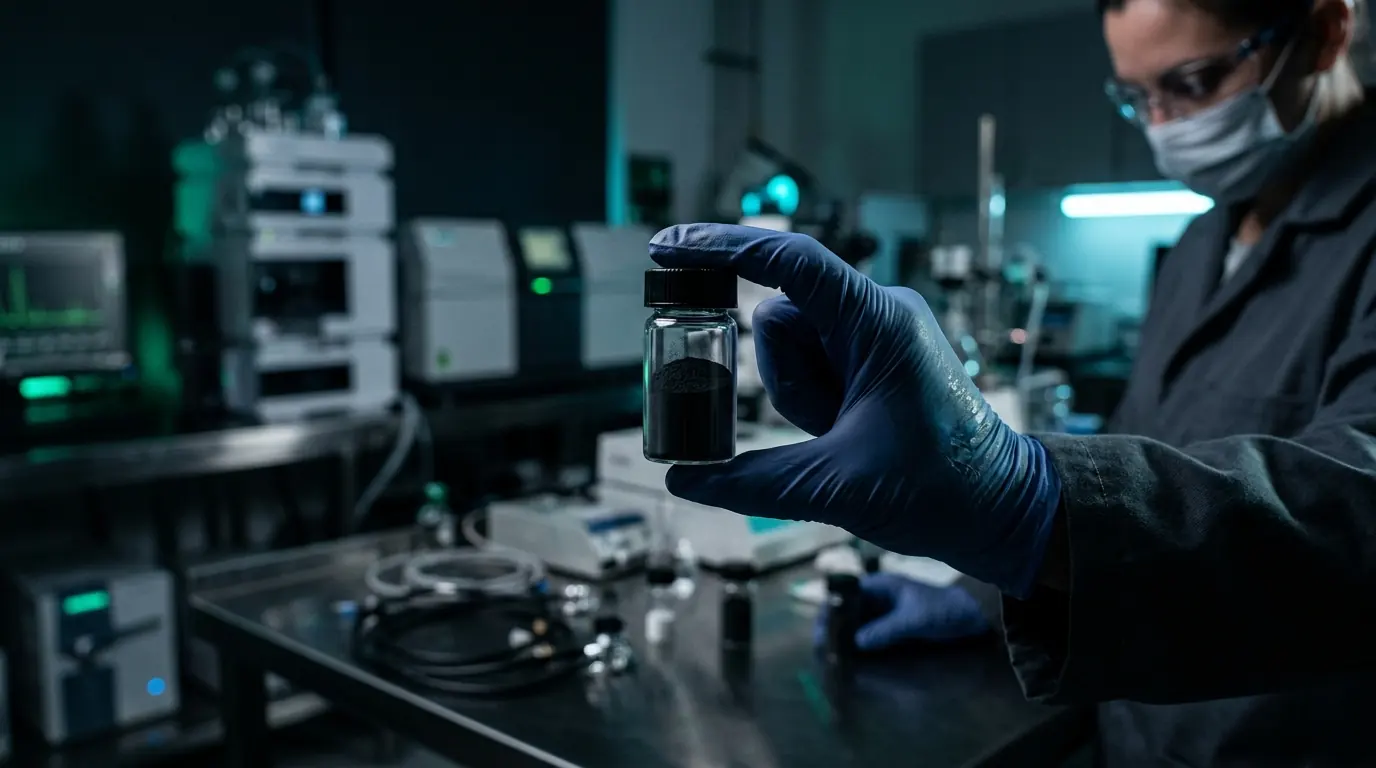
What the site does
Yokohama is a major port and industrial city in the Tokyo metropolitan region, home to vehicle maker headquarters and engineering centres. The diagnostics works opened on Daikoku Pier in 2020 to grade Japanese packs, including those from some of the earliest mass-market EVs, which have built up many years of real-world use. Its catchment covers the greater Tokyo region. It opened as those early fleets began retiring.
With 21,000 TPA of capacity, the works tests fleet, dealer and engineering packs as well as hybrid modules. The long service histories of Japanese EVs give the site unusually rich data on how packs age, which improves grading accuracy for older batteries and informs decisions about second-life use. Reusable modules are released for second-life builds, and the rest are sent for processing.
What arrives at the gate
Feedstock at Yokohama, Kanagawa reflects its catchment and plant type. Every consignment is weighed, photographed and logged against the originating manifest before it enters the process area.
- Early mass-market EV packs
- Fleet and dealer returns
- Engineering and test packs
- Hybrid and EV modules
The process, step by step
The 3 operating lines — module soh bench, eis diagnostics laboratory, ai optical cell grading — run the sequence below.
| Stage | What happens |
|---|---|
| Intake & safety triage | Packs are logged, thermally imaged and screened for swelling, coolant ingress or venting before entering the bench area. |
| Controlled de-energising | Residual energy is discharged to a safe state of charge with regenerative load banks and recorded per serial number. |
| Module-level capacity test | Full charge-discharge cycling at C/3 establishes usable capacity, internal resistance and cell-to-cell balance. |
| EIS fingerprinting | 1 mHz–10 kHz impedance sweeps separate SEI growth, lithium plating and contact resistance degradation modes. |
| AI optical inspection | Machine-vision inspection of busbars, welds and cell cans flags mechanical defects that block second-life reuse. |
| Grade assignment | Grade A (≥85% SOH), B (75–85%), C (65–75%) and D routes are assigned, with D-grade material released to refining. |
What sets the site apart
Long-life EV data. Experience with Japanese EV packs that have many years of service.
Port location. On Daikoku Pier with direct shipping access.
Engineering support. Handles test packs from Japanese developers.
Where material goes next
Material that Yokohama, Kanagawa does not finish on site moves to the nearest specialist facility in the network, keeping transport distances and dwell times down.
| Facility | Role | Distance |
|---|---|---|
| Gothenburg — Nordic Second-Life Campus | Second-Life BESS Works | 8,567 km |
| Ningde — Fujian Refining Base | Hydrometallurgical Refinery | 2,142 km |
Field note