EV battery recycling in Yokohama
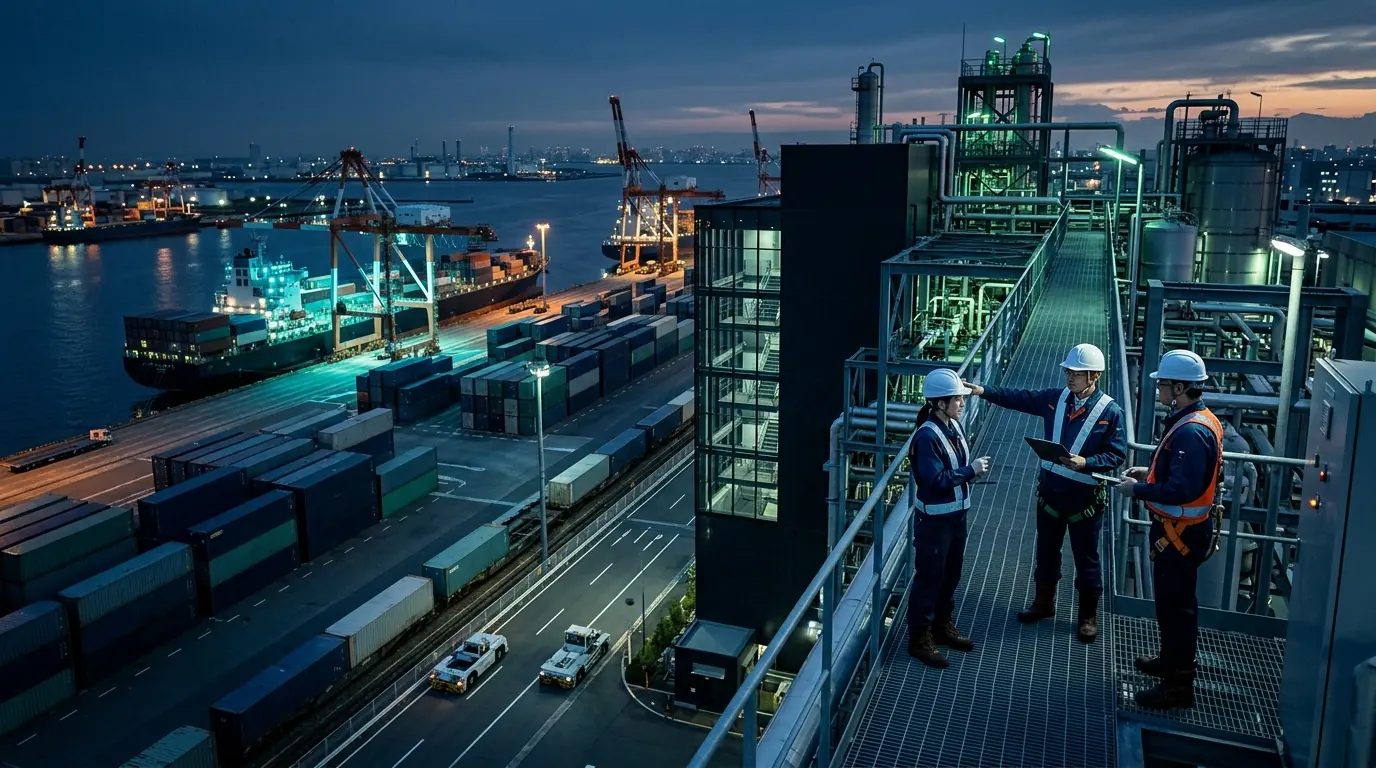
Nissan global HQ and battery research centre. Collections are run from Yokohama — Kanagawa Diagnostics Works.
Pickup SLA
24 h
Coverage radius
66 km
Packs retiring / year
8,997
Catchment estimate
Active local names
2
Who we collect from in Yokohama
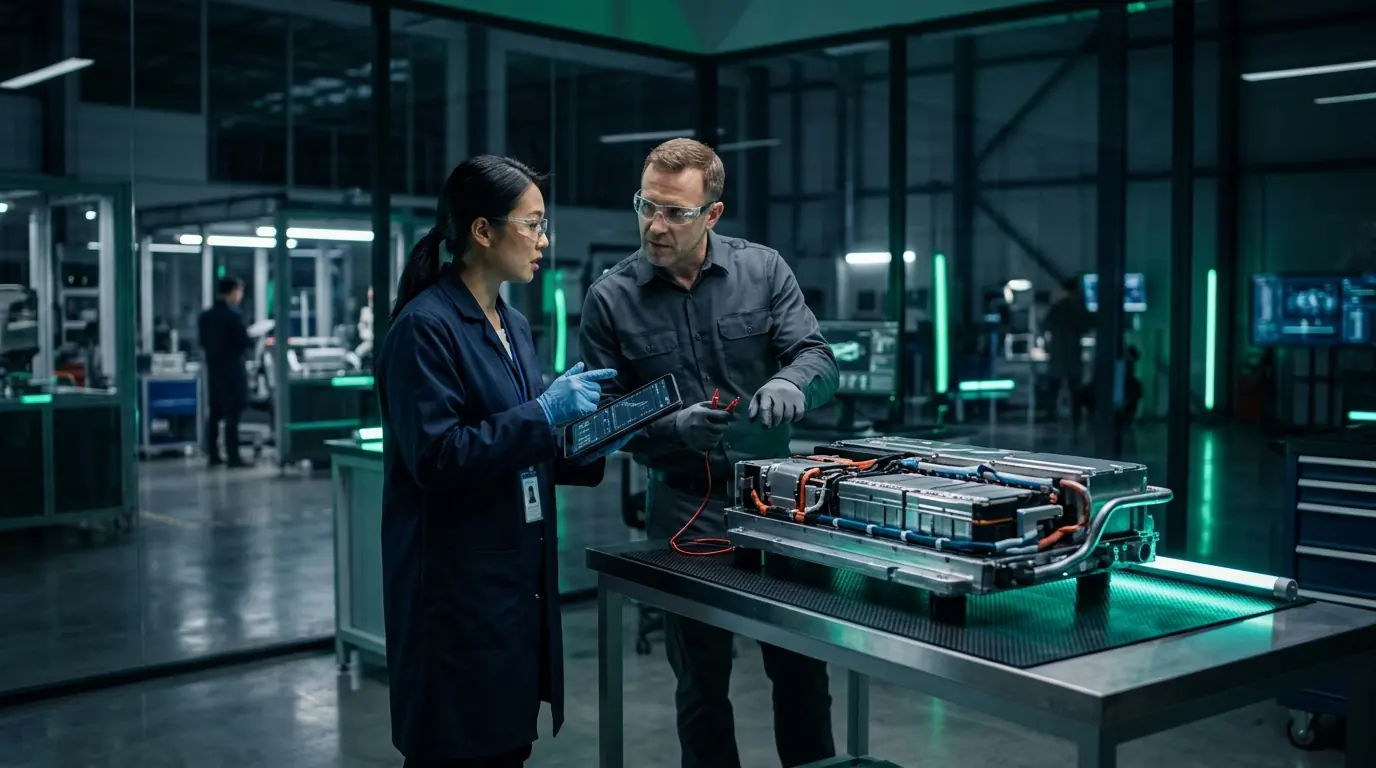
OEM head offices and engineering centres produce prototype and validation packs, recall and warranty returns routed through central teams, and programme fleet retirements. Volumes are lumpy but the packs are often high-value and come with full engineering data.
- OEM sustainability and aftersales teams
- Engineering and validation centres
- Programme and demo fleets
- Recall coordination teams
How a Yokohama collection runs
We work under a framework take-back agreement with the OEM's central sustainability or aftersales team, covering pricing methodology, EPR certificate transfer and confidential handling of prototype hardware, including destruction certificates where required.
- 1
Book the consignment
Share pack counts, chemistry and approximate state of health. We return an indicative value split and a slotted collection window.
- 2
Compliant pickup
Class 9 certified transport with a pre-filled dangerous goods declaration, transporter authorisation and chain-of-custody sheet. Called off against a framework agreement.
- 3
Grading via Yokohama, Kanagawa
Every module is tested for capacity, DC resistance and impedance so value is set on measurement, not on age.
- 4
Certificate issued
A recovery certificate with achieved percentages per metal and downstream vendor disclosure, for reporting under Act on the Promotion of Effective Utilization of Resources and the End-of-Life Vehicle Recycling Act.
The rules in Japan
Act on the Promotion of Effective Utilization of Resources and the End-of-Life Vehicle Recycling Act
Regulator: Ministry of Economy, Trade and Industry (METI) and Ministry of the Environment
Japan relies on manufacturer-led take-back. Small rechargeable batteries are collected through an industry scheme, and lithium-ion batteries removed from end-of-life vehicles are recovered through programmes run by automakers within the vehicle recycling system. Processors need waste management licences from prefectural governments.
- Route packs from end-of-life vehicles through the automaker take-back network
- Use processors licensed by the prefecture
- Keep transfer records under the vehicle recycling system
- Follow export controls for battery waste under Basel implementation law
Watch-out
Packs we collect around Yokohama
Including models from manufacturers active in this area.
Recycling in Yokohama: common questions
Where can I recycle an EV battery in Yokohama?
Retired EV packs in Yokohama are collected on a 24-hour SLA across a 66 km radius and processed through Yokohama — Kanagawa Diagnostics Works. Book a pickup and the despatch desk confirms a window within one working day.
How much does EV battery recycling cost in Yokohama?
Most healthy packs carry positive value rather than a cost: modules above 75% state of health settle at second-life rates and the remainder settles against contained metal. Heavily damaged packs can carry a handling charge.
Which rules apply to battery waste in Yokohama?
Act on the Promotion of Effective Utilization of Resources and the End-of-Life Vehicle Recycling Act, overseen by Ministry of Economy, Trade and Industry (METI) and Ministry of the Environment. Lithium-ion batteries move as dangerous goods under national road and marine rules, with UN 3480 / UN 3481 packaging.
What kind of material do you collect in Yokohama?
As a oem head office, Yokohama mainly produces programme returns & engineering packs. Collections run called off against a framework agreement.
Retiring packs in Yokohama?
Pickups within 24 hours across 66 km, with dangerous goods paperwork pre-filled.