EV battery recycling in Osaka
Panasonic Energy cell engineering and pilot lines. Collections are run from Yokohama — Kanagawa Diagnostics Works.
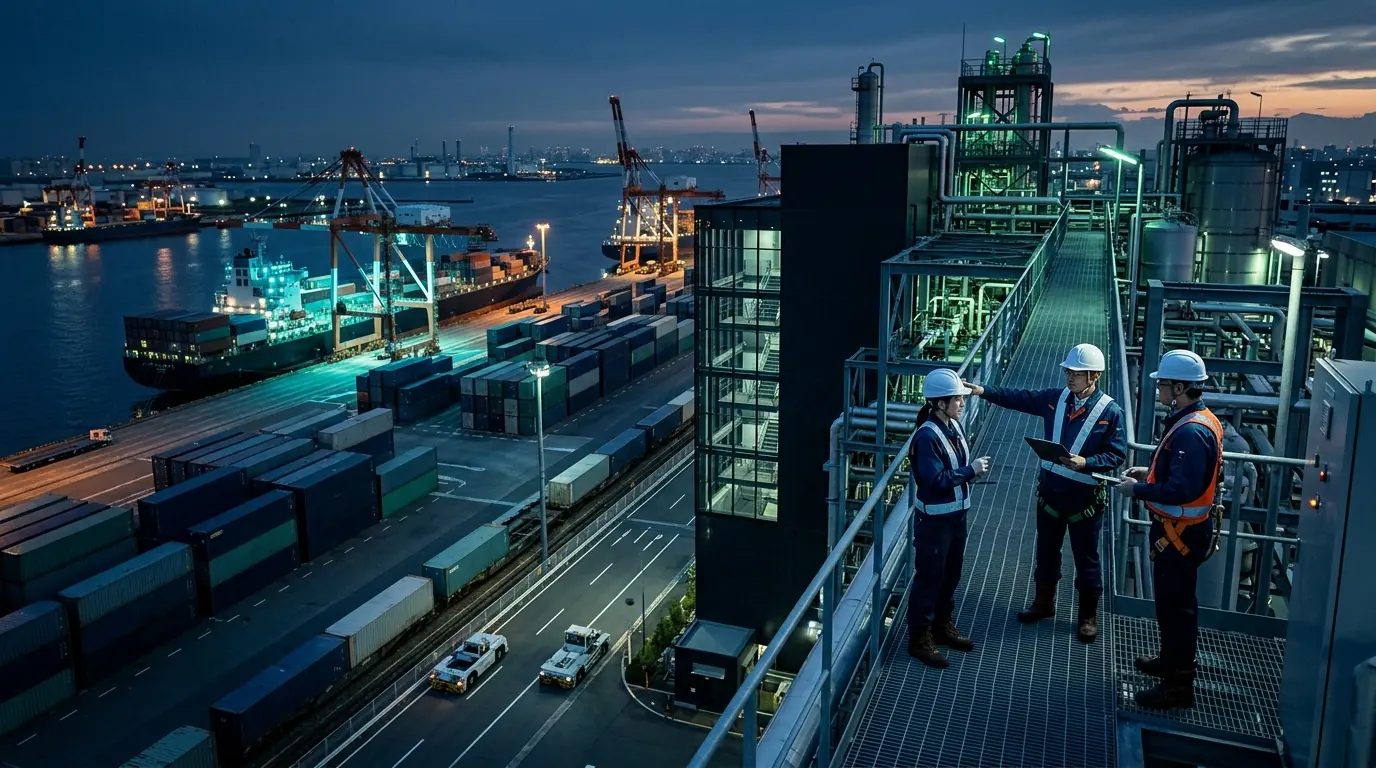
Pickup SLA
72 h
Coverage radius
206 km
Packs retiring / year
6,910
Catchment estimate
Active local names
1
Who we collect from in Osaka
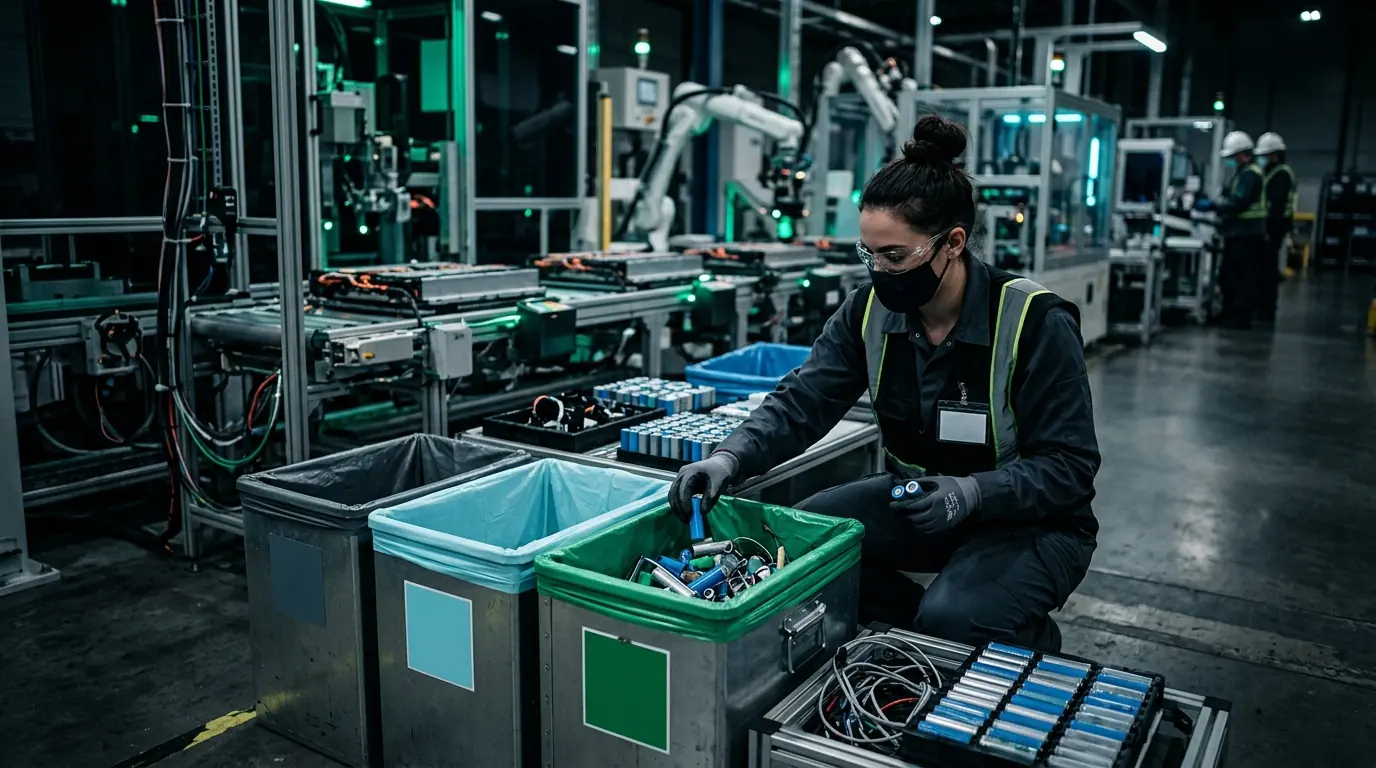
Manufacturing clusters generate production scrap and off-spec cells during line ramp-up, warranty returns from early vehicles, and validation packs from test tracks. The material is usually single-chemistry and well documented, which makes it some of the cleanest feed in the network.
- Cell and pack assembly plants
- Tier-one module suppliers
- Vehicle assembly lines
- Validation and test centres
How a Osaka collection runs
We run scheduled scrap collections from plant gates and tier-one suppliers, with dedicated bins per chemistry and a weighbridge reconciliation against each supplier's scrap log. Off-spec cells that never entered a vehicle are graded separately because their value profile is different from end-of-life packs.
- 1
Book the consignment
Share pack counts, chemistry and approximate state of health. We return an indicative value split and a slotted collection window.
- 2
Compliant pickup
Class 9 certified transport with a pre-filled dangerous goods declaration, transporter authorisation and chain-of-custody sheet. Weekly or fortnightly scheduled scrap runs.
- 3
Grading via Yokohama, Kanagawa
Every module is tested for capacity, DC resistance and impedance so value is set on measurement, not on age.
- 4
Certificate issued
A recovery certificate with achieved percentages per metal and downstream vendor disclosure, for reporting under Act on the Promotion of Effective Utilization of Resources and the End-of-Life Vehicle Recycling Act.
The rules in Japan
Act on the Promotion of Effective Utilization of Resources and the End-of-Life Vehicle Recycling Act
Regulator: Ministry of Economy, Trade and Industry (METI) and Ministry of the Environment
Japan relies on manufacturer-led take-back. Small rechargeable batteries are collected through an industry scheme, and lithium-ion batteries removed from end-of-life vehicles are recovered through programmes run by automakers within the vehicle recycling system. Processors need waste management licences from prefectural governments.
- Route packs from end-of-life vehicles through the automaker take-back network
- Use processors licensed by the prefecture
- Keep transfer records under the vehicle recycling system
- Follow export controls for battery waste under Basel implementation law
Watch-out
Packs we collect around Osaka
Common packs in the global market.
Recycling in Osaka: common questions
Where can I recycle an EV battery in Osaka?
Retired EV packs in Osaka are collected on a 72-hour SLA across a 206 km radius and processed through Yokohama — Kanagawa Diagnostics Works. Book a pickup and the despatch desk confirms a window within one working day.
How much does EV battery recycling cost in Osaka?
Most healthy packs carry positive value rather than a cost: modules above 75% state of health settle at second-life rates and the remainder settles against contained metal. Heavily damaged packs can carry a handling charge.
Which rules apply to battery waste in Osaka?
Act on the Promotion of Effective Utilization of Resources and the End-of-Life Vehicle Recycling Act, overseen by Ministry of Economy, Trade and Industry (METI) and Ministry of the Environment. Lithium-ion batteries move as dangerous goods under national road and marine rules, with UN 3480 / UN 3481 packaging.
What kind of material do you collect in Osaka?
As a manufacturing cluster, Osaka mainly produces production scrap & line returns. Collections run weekly or fortnightly scheduled scrap runs.
Retiring packs in Osaka?
Pickups within 72 hours across 206 km, with dangerous goods paperwork pre-filled.