EV battery recycling in Bangkok
ASEAN EV assembly base for Chinese OEM exports. Collections are run from Chennai — Sriperumbudur Recovery Campus.
Pickup SLA
48 h
Coverage radius
171 km
Packs retiring / year
5,850
Catchment estimate
Active local names
3
Who we collect from in Bangkok
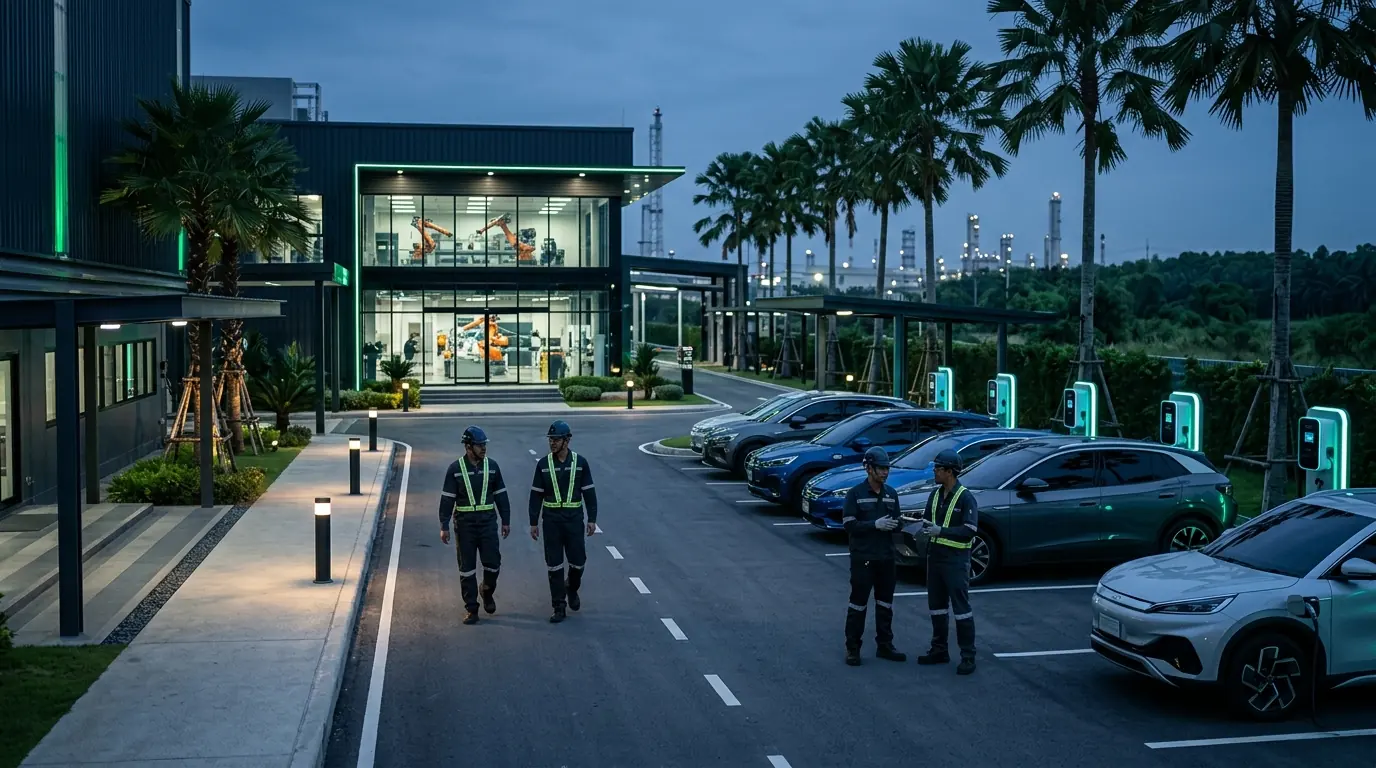
Manufacturing clusters generate production scrap and off-spec cells during line ramp-up, warranty returns from early vehicles, and validation packs from test tracks. The material is usually single-chemistry and well documented, which makes it some of the cleanest feed in the network.
- Cell and pack assembly plants
- Tier-one module suppliers
- Vehicle assembly lines
- Validation and test centres
How a Bangkok collection runs
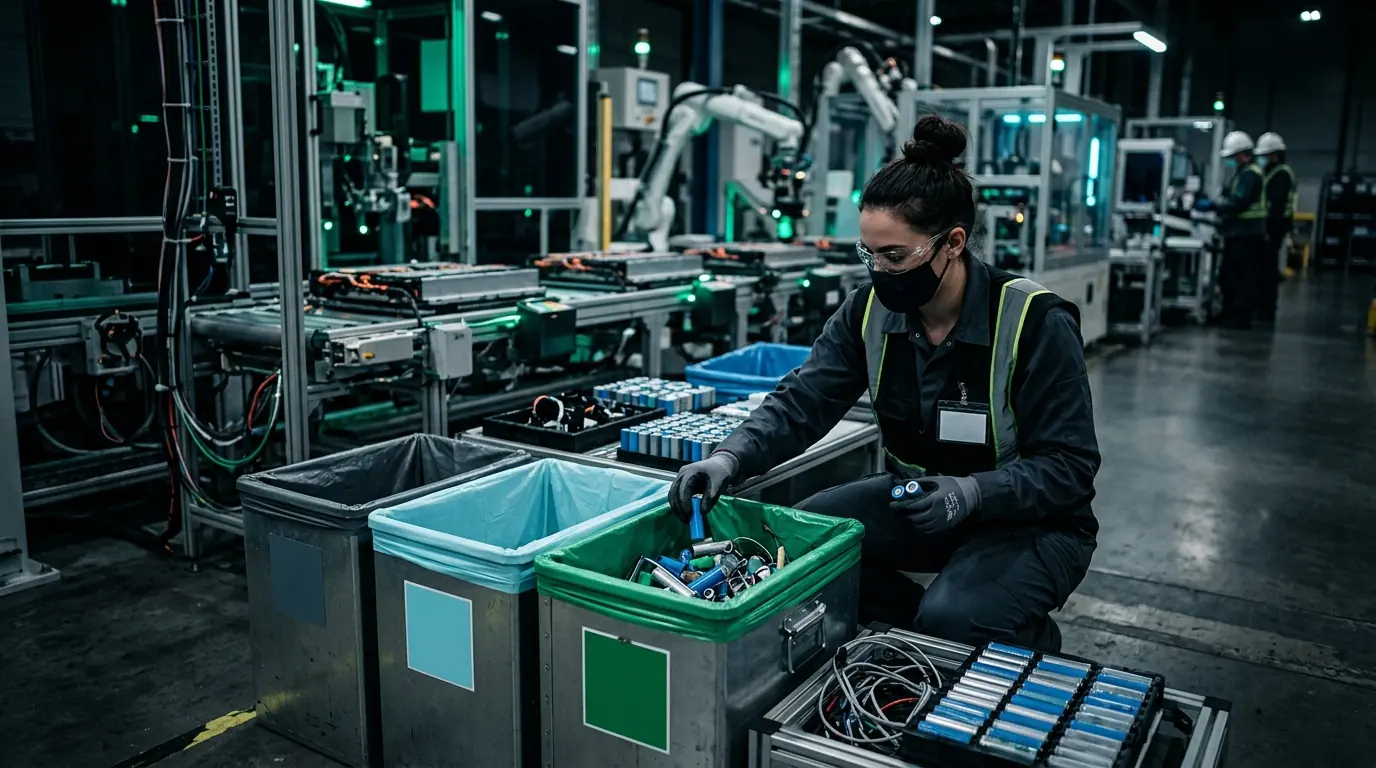
We run scheduled scrap collections from plant gates and tier-one suppliers, with dedicated bins per chemistry and a weighbridge reconciliation against each supplier's scrap log. Off-spec cells that never entered a vehicle are graded separately because their value profile is different from end-of-life packs.
- 1
Book the consignment
Share pack counts, chemistry and approximate state of health. We return an indicative value split and a slotted collection window.
- 2
Compliant pickup
Class 9 certified transport with a pre-filled dangerous goods declaration, transporter authorisation and chain-of-custody sheet. Weekly or fortnightly scheduled scrap runs.
- 3
Grading via Sriperumbudur, Tamil Nadu
Every module is tested for capacity, DC resistance and impedance so value is set on measurement, not on age.
- 4
Certificate issued
A recovery certificate with achieved percentages per metal and downstream vendor disclosure, for reporting under Factory Act and hazardous substance and waste regulations.
The rules in Thailand
Factory Act and hazardous substance and waste regulations
Regulator: Department of Industrial Works (DIW) and Pollution Control Department
Thailand has no dedicated EV battery take-back law yet. Retired packs are handled as industrial or hazardous waste, and processing needs DIW factory licences. Government EV incentive schemes are expanding local assembly, and battery end-of-life policy is being developed alongside them.
- Use DIW-licensed waste processors
- Obtain permission to move industrial waste off-site
- Keep hazardous substance and waste records
- Obtain permits for any import or export of battery waste
Watch-out
Packs we collect around Bangkok
Including models from manufacturers active in this area.
Recycling in Bangkok: common questions
Where can I recycle an EV battery in Bangkok?
Retired EV packs in Bangkok are collected on a 48-hour SLA across a 171 km radius and processed through Chennai — Sriperumbudur Recovery Campus. Book a pickup and the despatch desk confirms a window within one working day.
How much does EV battery recycling cost in Bangkok?
Most healthy packs carry positive value rather than a cost: modules above 75% state of health settle at second-life rates and the remainder settles against contained metal. Heavily damaged packs can carry a handling charge.
Which rules apply to battery waste in Bangkok?
Factory Act and hazardous substance and waste regulations, overseen by Department of Industrial Works (DIW) and Pollution Control Department. Dangerous goods transport follows Department of Land Transport rules, with lithium-ion batteries classed as Class 9.
What kind of material do you collect in Bangkok?
As a manufacturing cluster, Bangkok mainly produces production scrap & line returns. Collections run weekly or fortnightly scheduled scrap runs.
Retiring packs in Bangkok?
Pickups within 48 hours across 171 km, with dangerous goods paperwork pre-filled.