What SOH actually measures
State of health is most commonly defined as the capacity a battery can still deliver, expressed as a percentage of its rated capacity. A pack rated at 50 kWh that now delivers 40 kWh under standard conditions has an SOH of roughly 80%. Some definitions also include power capability, because resistance rises as cells age and reduces the power a battery can supply.
The number sounds simple but depends on how it is measured. Temperature, charge and discharge rate, rest time and the voltage limits used all change the result. That is why SOH figures from different sources often disagree, and why a buyer will normally insist on its own test under a defined procedure before agreeing a price.
Vehicle estimates versus bench tests
The battery management system in a vehicle continuously estimates SOH from voltage, current and temperature data. These estimates are useful for tracking trends across a fleet, but they are model-based and can drift, and they describe the pack as a whole. A pack reporting 82% may contain modules ranging from the high 80s down to the low 70s.
Bench testing removes that uncertainty. Each module is cycled at a controlled rate and temperature to measure capacity directly, and DC internal resistance and impedance are recorded at the same time. The result is a module-level profile that shows which parts of the pack are reusable, which are marginal and which should go to refining.
| Measured SOH | Grade | Typical route |
|---|---|---|
| 85% and above | A | Grid-tied or commercial storage |
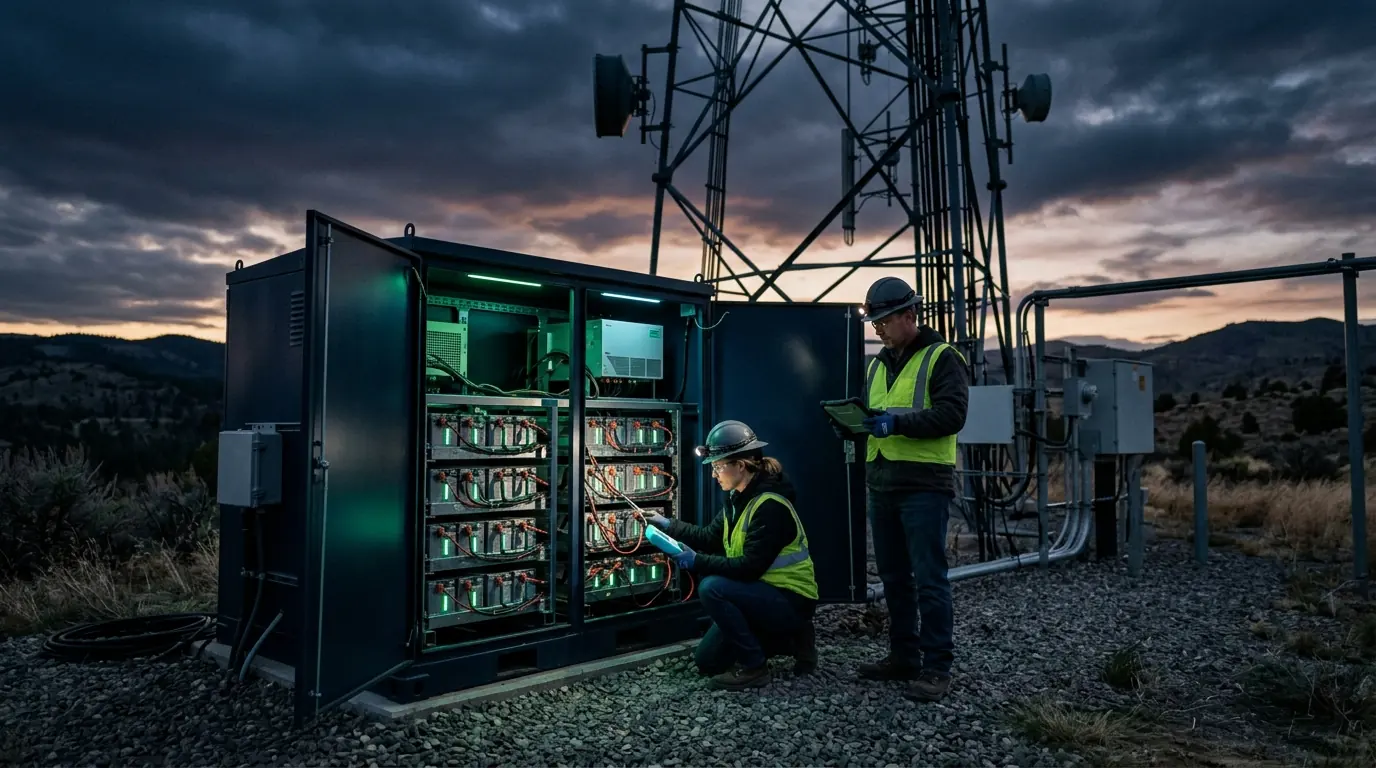
| 75–85% | B | Telecom backup, solar buffering |
| 65–75% | C | Low-cycle, low-power applications |
| Below 65% or damaged | D | Recycling and refining |
Using SOH to protect value
For fleets, SOH is the lever that most changes end-of-life returns. Tracking it over time lets operators retire packs while they still qualify for higher grades instead of running them until they fall into refining territory. The difference between a Grade A module and the same module as black mass feed is usually the largest single value gap available.
Storage conditions after removal matter too. Packs left fully charged or in hot yards continue to age, and a module measured at 86% at removal can fall below the Grade A threshold by the time it is tested. Discharging to below 30%, keeping packs cool and booking collection promptly all help preserve the SOH that was measured in service.
- Trend BMS SOH monthly rather than waiting for failures
- Plan retirements before packs cross grade thresholds
- Store removed packs cool and below 30% state of charge
- Ask for module-level test reports, not a single pack figure
Field note