Why Sunderland matters
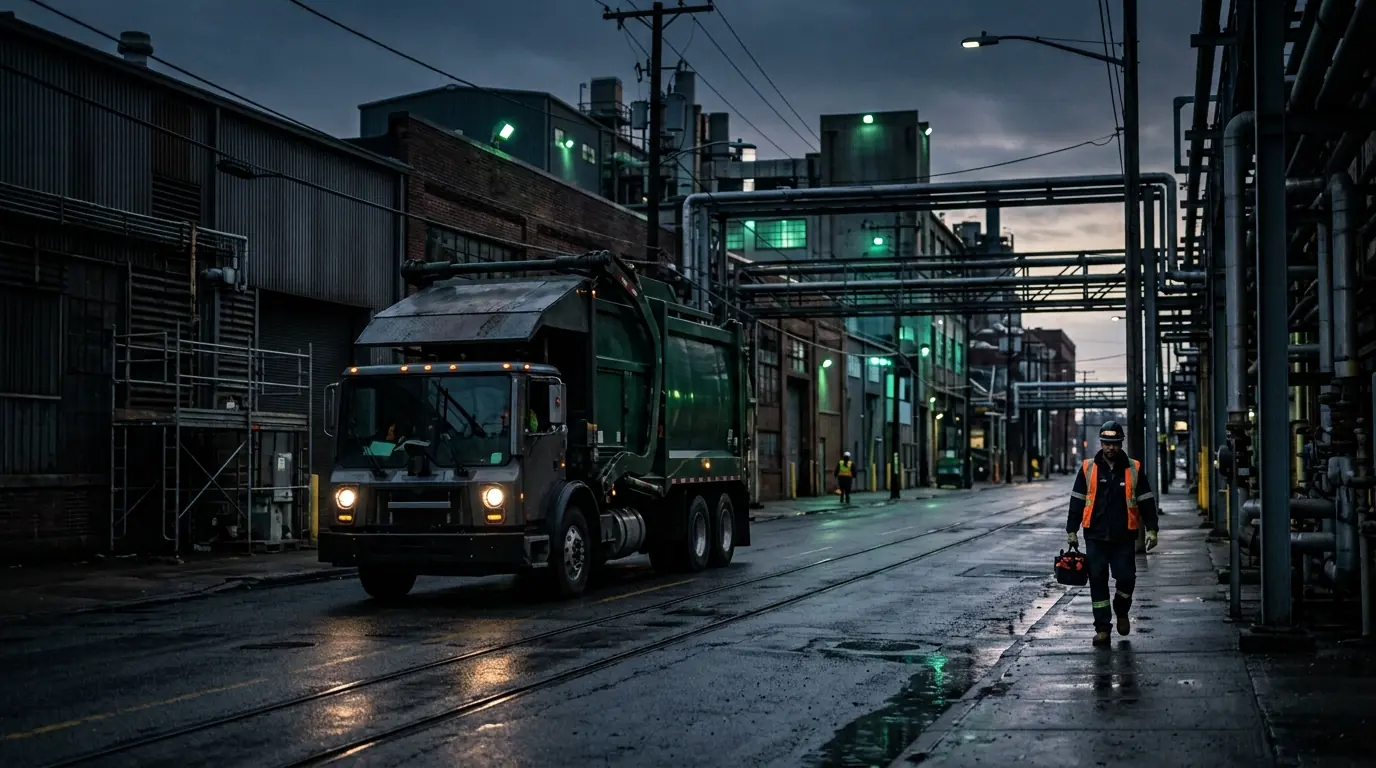
Nissan EV36Zero campus with AESC cell plant. Active names in and around the city include Nissan, AESC.
Manufacturing clusters generate production scrap and off-spec cells during line ramp-up, warranty returns from early vehicles, and validation packs from test tracks. The material is usually single-chemistry and well documented, which makes it some of the cleanest feed in the network.
| Item | Detail |
|---|---|
| Serving site | Birmingham — West Midlands Grading Works (Cell Grading & Diagnostics) |
| Pickup SLA | 48 hours |
| Coverage radius | 171 km |
| Collection cadence | Weekly or fortnightly scheduled scrap runs |
| Regulatory framework | Waste Batteries and Accumulators Regulations 2009 |
How collection works here
We run scheduled scrap collections from plant gates and tier-one suppliers, with dedicated bins per chemistry and a weighbridge reconciliation against each supplier's scrap log. Off-spec cells that never entered a vehicle are graded separately because their value profile is different from end-of-life packs.
Loads move in Class 9 compliant transport with pre-filled dangerous goods paperwork to Birmingham, England, where they are weighed, logged and graded.
- Cell and pack assembly plants
- Tier-one module suppliers
- Vehicle assembly lines
- Validation and test centres
What the rules require in United Kingdom
UK producers of industrial and automotive batteries, including EV batteries, must register and take back waste batteries free of charge when asked. Treatment must be carried out by approved battery treatment operators, and the government has consulted on updating the regime for EV batteries.
Road transport follows ADR through the Carriage of Dangerous Goods Regulations, and exports need waste shipment approval.
- Register as a battery producer with the relevant environment agency
- Take back waste EV and industrial batteries free of charge on request
- Use approved battery treatment operators or exporters
- Keep records of batteries placed on the market and taken back
Field note
What you get paid and what you file
Settlement is quoted per pack after measured state of health, not by guesswork on age. Modules holding 75% or more of rated capacity settle at second-life rates; the remainder settle against black mass metal content.
Certificates carry achieved recovery percentages and downstream vendor disclosure for reporting under Waste Batteries and Accumulators Regulations 2009.