EV battery recycling in Rotterdam
EU gateway for class 9 battery consignments and black mass. Collections are run from Rotterdam — Maasvlakte Refining Works.
Pickup SLA
36 h
Coverage radius
132 km
Packs retiring / year
4,052
Catchment estimate
Active local names
2
Who we collect from in Rotterdam
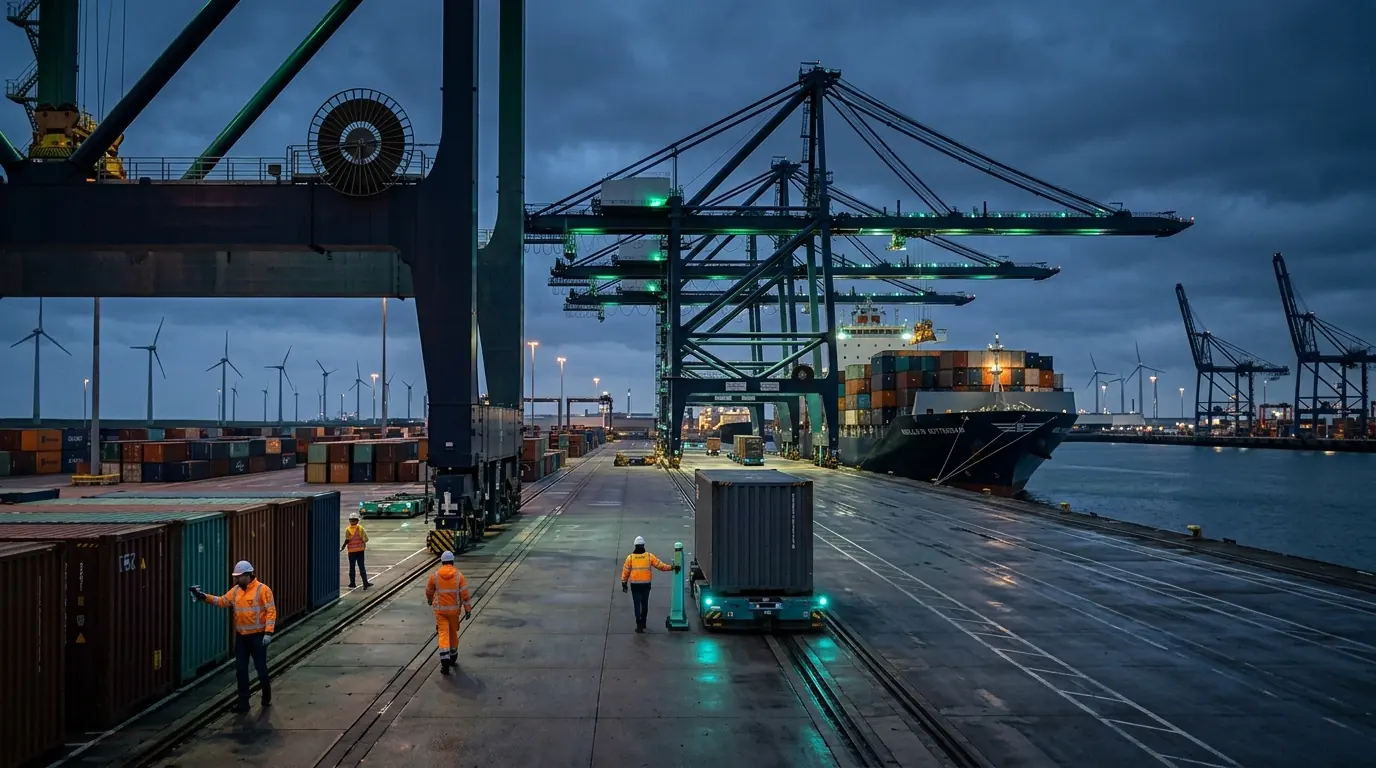
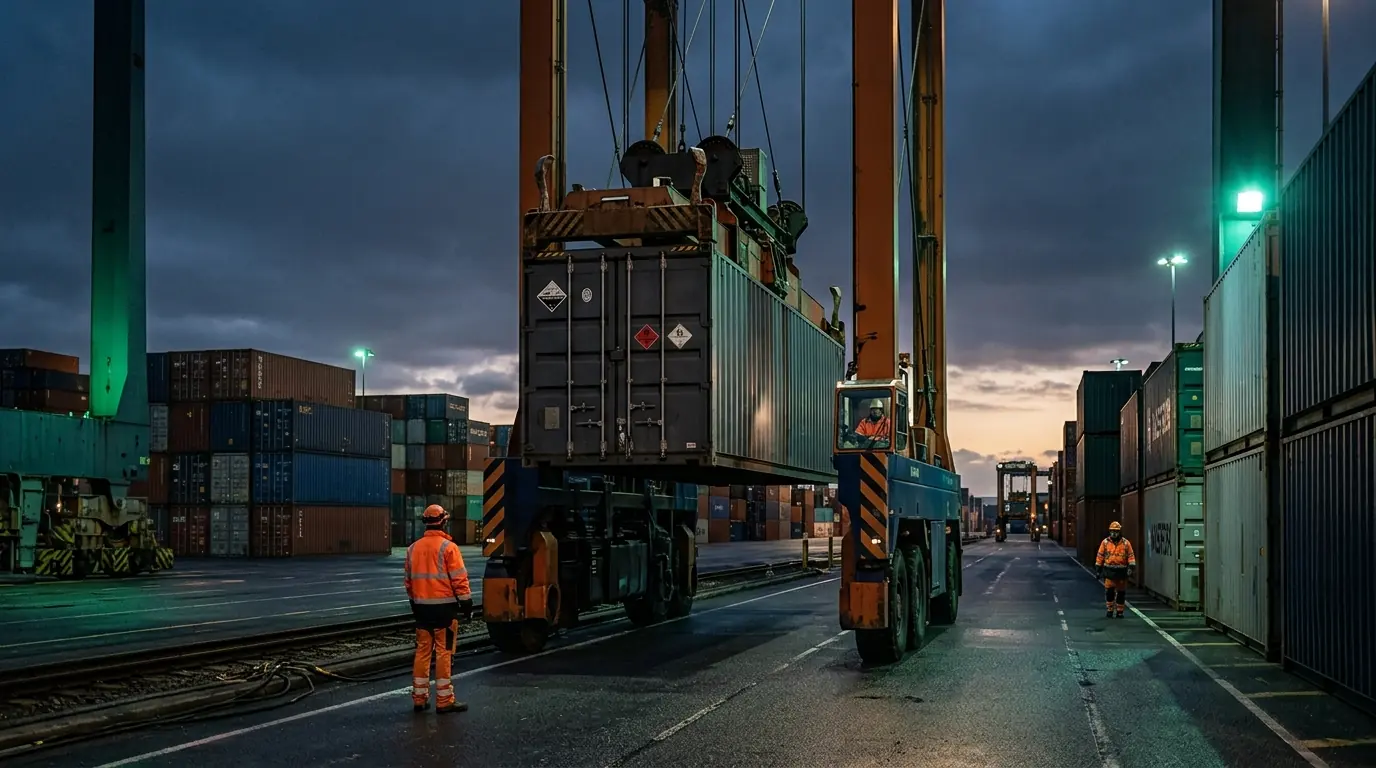
Port gateways handle consolidated consignments: packs and modules gathered from inland sites for export to refining capacity, black mass moving between plants, and occasionally imported used vehicles whose packs need assessment.
- Freight forwarders and consolidators
- Export traders
- Shipping lines and terminal operators
- Importers of used vehicles
How a Rotterdam collection runs
We manage consolidation, packaging checks and the documentation needed for cross-border movement, including waste-shipment notifications where they apply, and coordinate with carriers approved for Class 9 dangerous goods by sea.
- 1
Book the consignment
Share pack counts, chemistry and approximate state of health. We return an indicative value split and a slotted collection window.
- 2
Compliant pickup
Class 9 certified transport with a pre-filled dangerous goods declaration, transporter authorisation and chain-of-custody sheet. Per consignment, aligned to sailing schedules.
- 3
Grading via Rotterdam, South Holland
Every module is tested for capacity, DC resistance and impedance so value is set on measurement, not on age.
- 4
Certificate issued
A recovery certificate with achieved percentages per metal and downstream vendor disclosure, for reporting under EU Battery Regulation (EU) 2023/1542 and the Dutch Environmental Management Act.
The rules in Netherlands
EU Battery Regulation (EU) 2023/1542 and the Dutch Environmental Management Act
Regulator: Ministry of Infrastructure and Water Management, with enforcement by ILT
The EU Battery Regulation (EU) 2023/1542 applies directly, replacing the old Batteries Directive with extended producer responsibility, collection and material recovery targets, recycled-content rules and, from February 2027, a digital battery passport for EV and larger industrial batteries. Dutch producers usually meet take-back duties through a collective scheme, and the country's ports make it a key gateway for battery and black mass shipments into and out of Europe.
- Register as a producer and join a take-back scheme
- Use permitted processors and keep waste acceptance records
- Notify shipments of battery waste under the EU Waste Shipment Regulation
- Prepare battery passport data for in-scope batteries
Watch-out
Packs we collect around Rotterdam
Common packs in the global market.
Recycling in Rotterdam: common questions
Where can I recycle an EV battery in Rotterdam?
Retired EV packs in Rotterdam are collected on a 36-hour SLA across a 132 km radius and processed through Rotterdam — Maasvlakte Refining Works. Book a pickup and the despatch desk confirms a window within one working day.
How much does EV battery recycling cost in Rotterdam?
Most healthy packs carry positive value rather than a cost: modules above 75% state of health settle at second-life rates and the remainder settles against contained metal. Heavily damaged packs can carry a handling charge.
Which rules apply to battery waste in Rotterdam?
EU Battery Regulation (EU) 2023/1542 and the Dutch Environmental Management Act, overseen by Ministry of Infrastructure and Water Management, with enforcement by ILT. Road transport follows ADR and sea transport follows the IMDG Code, with frequent transhipment through Rotterdam.
What kind of material do you collect in Rotterdam?
As a port & export gateway, Rotterdam mainly produces consolidated export & transhipment loads. Collections run per consignment, aligned to sailing schedules.
Retiring packs in Rotterdam?
Pickups within 36 hours across 132 km, with dangerous goods paperwork pre-filled.