Atlanta — Georgia Grading Centre
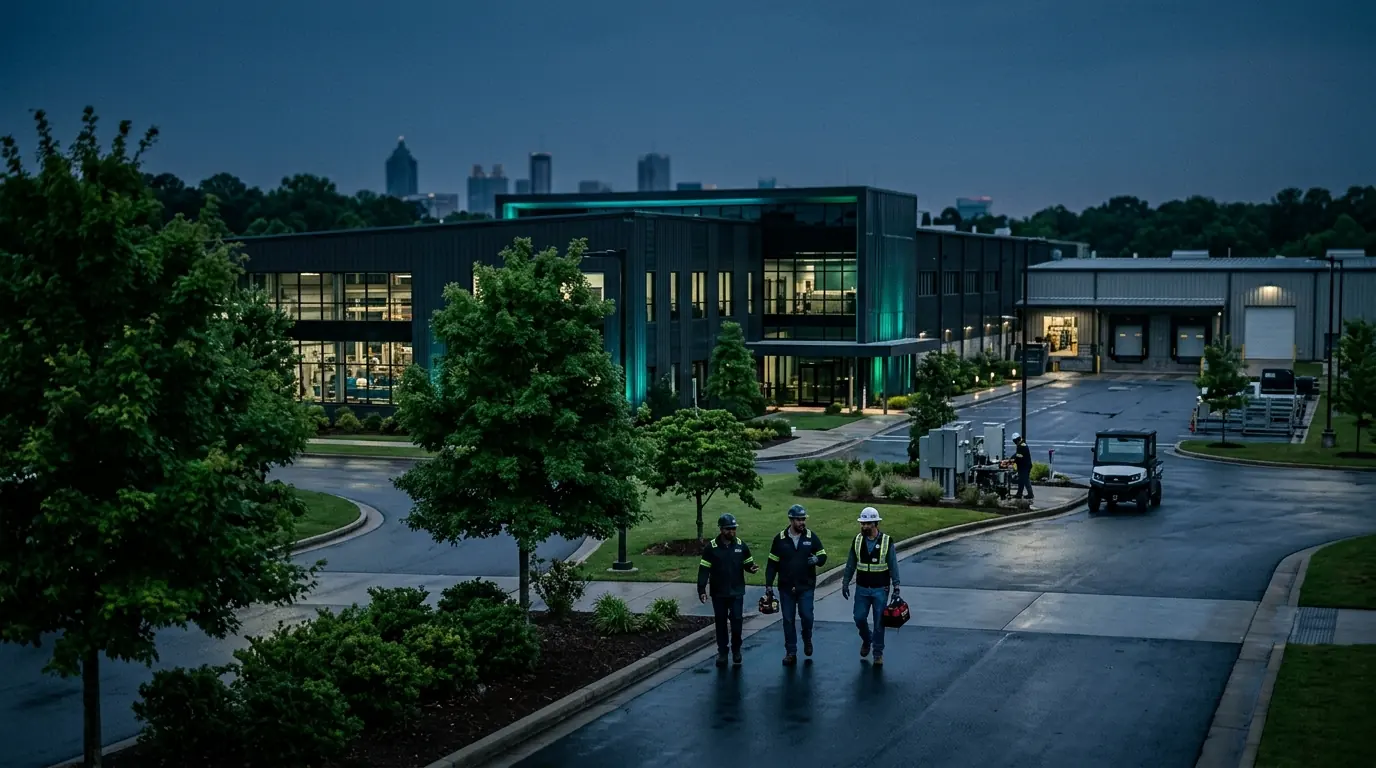
Atlanta, Georgia facility: diagnostics centre running module-level SOH, impedance and optical grading to split reuse from refining. Rated at 22,000 tonnes per annum and operating since 2021.
Annual capacity
22,000 TPA
Operating lines
3
Cities collected
0
In operation since
2021
About the Atlanta, Georgia facility
Georgia has become one of the most active US states for EV and battery manufacturing, with major vehicle and cell plants operating or under construction. Atlanta's freight network, airport and interstate connections make it a natural grading point for the south-east, and the centre opened on Fulton Industrial Boulevard in 2021 to keep regional packs from being sent to the Midwest for testing.
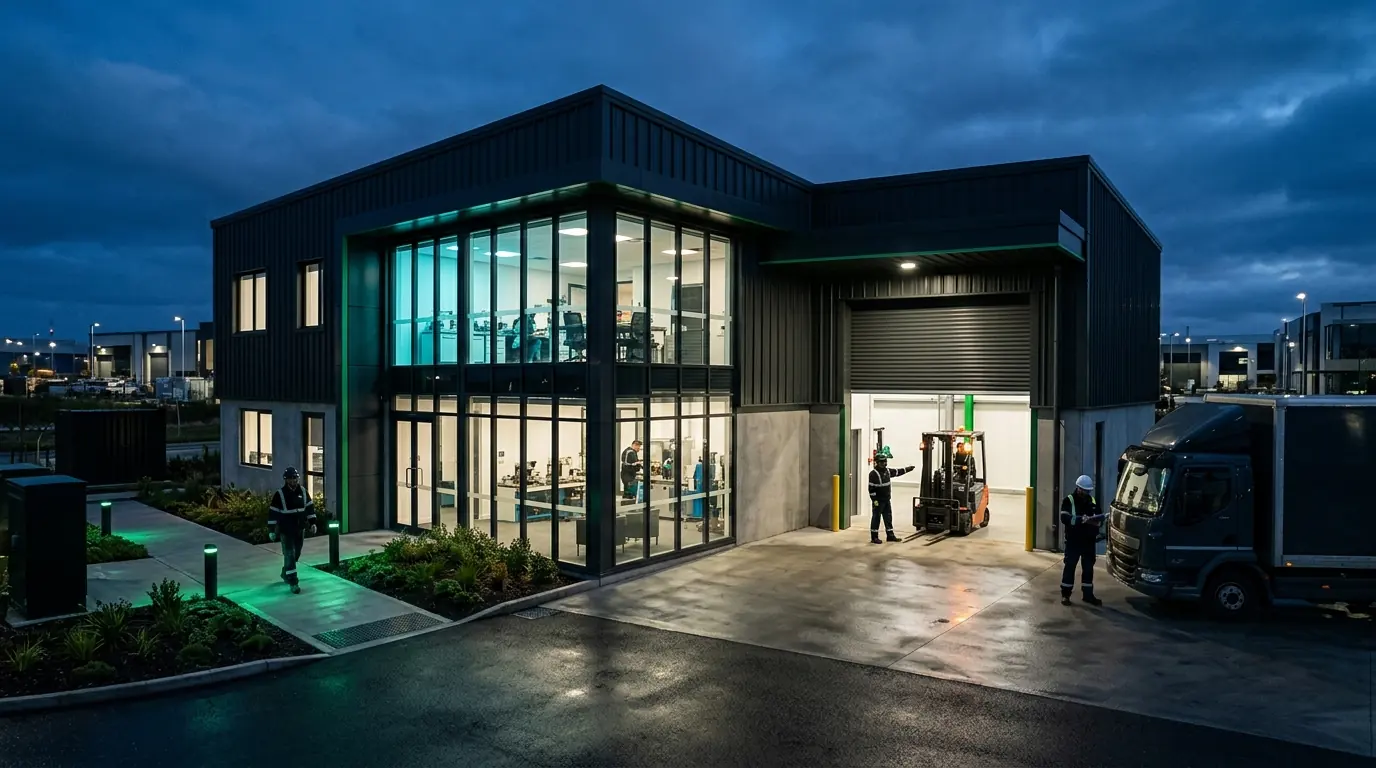
Its 22,000 TPA of diagnostics capacity focuses on passenger-car and commercial packs from south-eastern dealers and fleets, together with rejected and test material from new regional factories as they ramp up. Packs that pass grading are released for second-life use; those that do not are sent to an integrated campus for black mass production. Serial-level reports are issued for every pack tested, whether it goes on to reuse or recycling.
What arrives at the gate
What sets this site apart
South-east grading base
Serves Georgia, the Carolinas, Tennessee and Alabama without long trips to the Midwest.
Factory ramp-up support
Handles rejected and test material produced while new plants scale up.
Freight-hub location
Atlanta's logistics network shortens both inbound and onward transport.
What happens to material here

- 1
Intake & safety triage
Packs are logged, thermally imaged and screened for swelling, coolant ingress or venting before entering the bench area.
- 2
Controlled de-energising
Residual energy is discharged to a safe state of charge with regenerative load banks and recorded per serial number.
- 3
Module-level capacity test
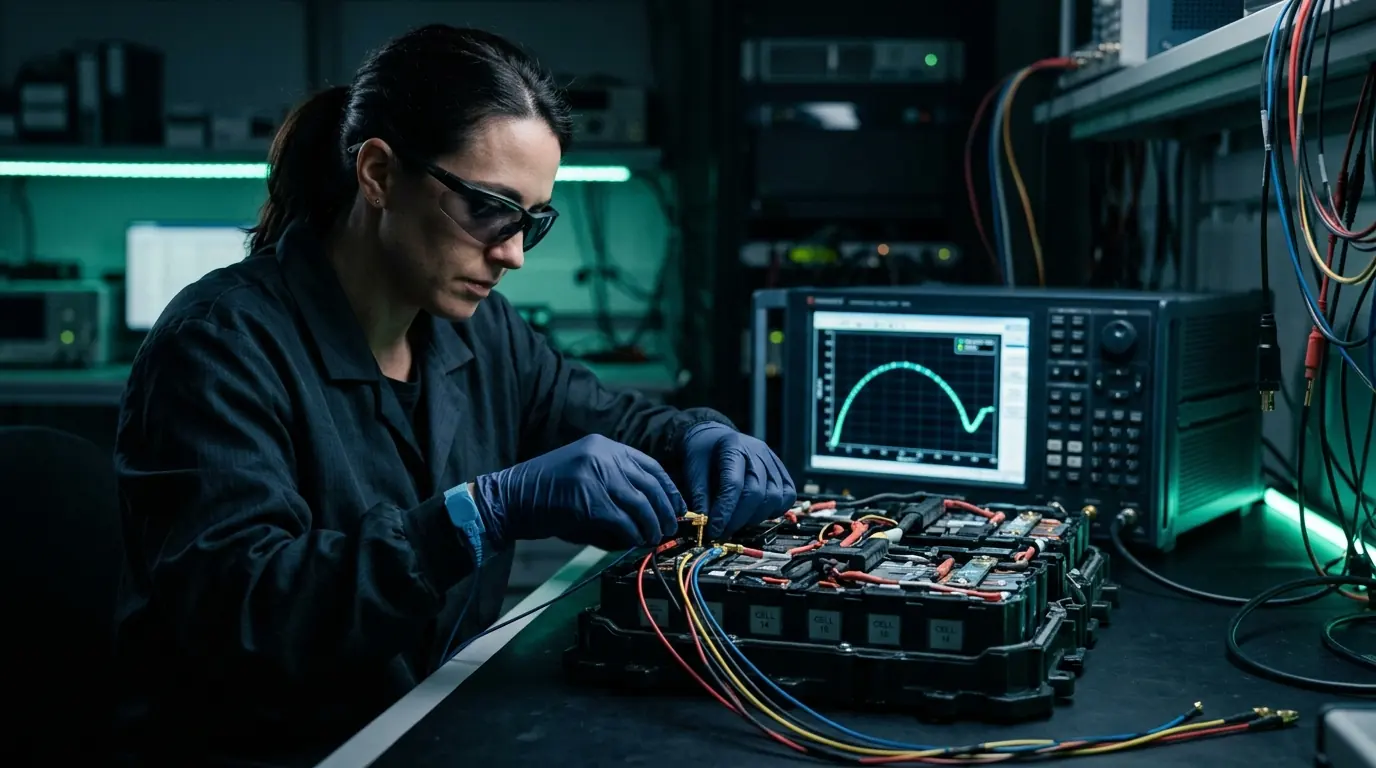
Full charge-discharge cycling at C/3 establishes usable capacity, internal resistance and cell-to-cell balance.
- 4
EIS fingerprinting
1 mHz–10 kHz impedance sweeps separate SEI growth, lithium plating and contact resistance degradation modes.
- 5
AI optical inspection
Machine-vision inspection of busbars, welds and cell cans flags mechanical defects that block second-life reuse.
- 6
Grade assignment
Grade A (≥85% SOH), B (75–85%), C (65–75%) and D routes are assigned, with D-grade material released to refining.
Where material goes next
| Role | Facility | Distance |
|---|---|---|
| Second-Life BESS Works | Gothenburg — Nordic Second-Life Campus | 7,243 km |
| Hydrometallurgical Refinery | Reno — Nevada Hydrometallurgy Refinery | 3,203 km |
| Integrated Recovery Campus | Detroit — Michigan Closed-Loop Plant | 961 km |
Local rules
EPA universal waste rules, DOT hazardous materials regulations and state programmes · EPA, DOT PHMSA and state environmental agencies
The centre operates under Georgia Environmental Protection Division requirements and manages spent lithium-ion batteries under the US EPA universal waste framework where applicable. Transport follows US DOT hazardous materials rules for lithium batteries.
Before you book into Atlanta, Georgia
- Fleet depots across the south-east can book consolidated pickups to share transport cost.
- Send serial lists so grading reports map directly to your asset records.
- Damaged or recalled packs must be declared so they ship under the correct DOT provisions.
- Shrink-wrap pallets and label them with the correct UN numbers before collection.
Damaged or defective packs are handled under a separate quarantine protocol — flag them in the form and the team calls you back the same day.
Atlanta, Georgia site: common questions
Which states does the Atlanta centre cover?
Mainly Georgia and neighbouring south-eastern states, including the Carolinas, Tennessee and Alabama.
Does Atlanta take material from new factories?
Yes. It grades or routes rejected and test material generated while regional plants ramp up.
What are the opening hours at Atlanta, Georgia?
Monday to Friday 08:00 – 20:00, Saturday 08:00 – 16:00. Sunday: emergency and damaged-pack intake only, by prior booking.
How do I book a collection into Atlanta, Georgia?
Use the booking button on this page with pack counts, chemistry and condition. The despatch desk confirms a window within one working day and ships UN-approved packaging before collection.