The rules that apply in China
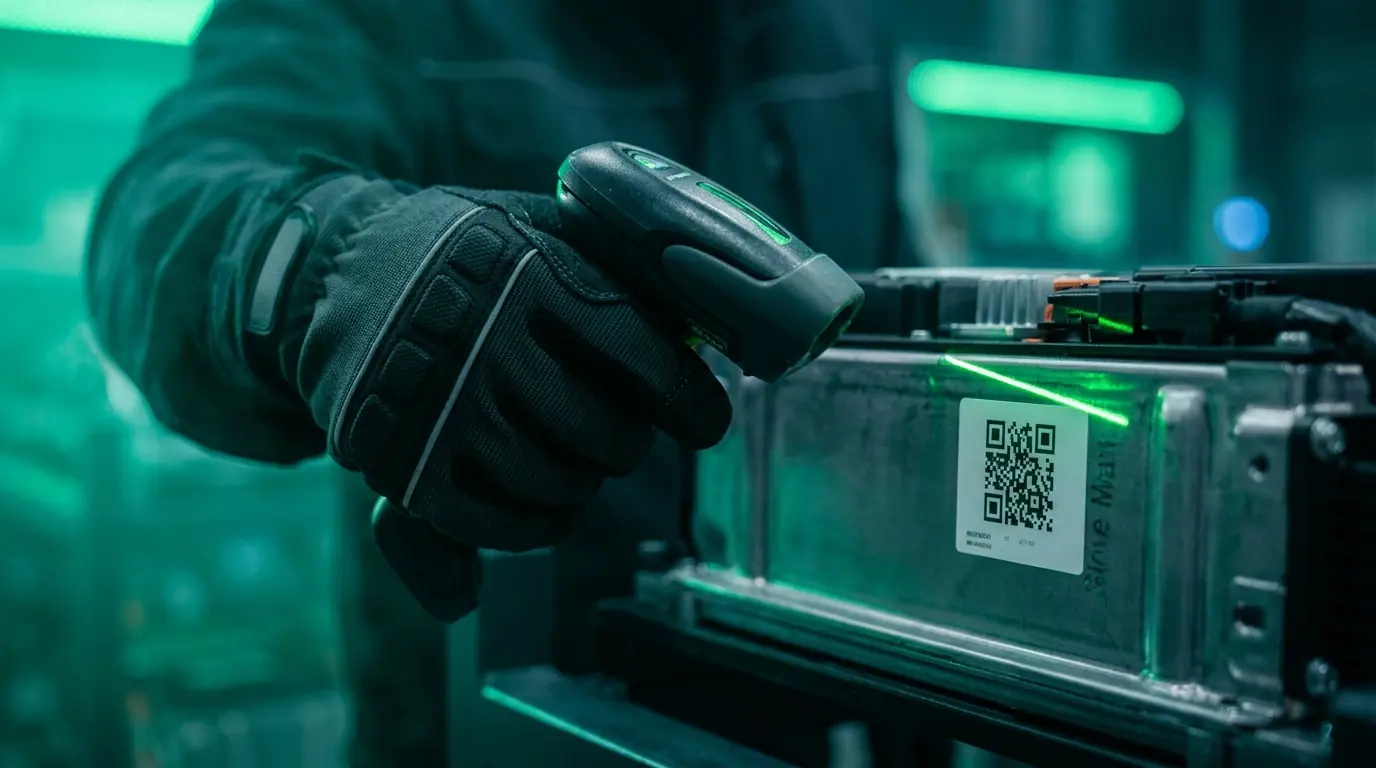
China makes carmakers responsible for recovering the power batteries in the vehicles they sell, and each pack is tracked on a national traceability platform from production to recycling. MIIT publishes a list of recyclers that meet its industry standard conditions, and batteries are expected to flow to these firms for cascade use or material recovery.
China has by far the world's largest volume of retired EV packs, dominated by LFP from buses, commercial vehicles and passenger cars.
What producers and holders must do
Producer responsibility follows whoever placed the battery on the market, but the practical burden often lands on the fleet or workshop holding the retired asset.
- Register pack codes on the national traceability management platform
- Route retired packs through the automaker's collection network or a listed compliant recycler
- Follow national standards for dismantling, cascade use and material recovery
- Keep records that link each pack's code to its final treatment
Local permitting around Ningde, Fujian
The base operates under Chinese environmental permitting and national rules for recycling new energy vehicle batteries, including traceability requirements. Imports are subject to Chinese customs controls and solid waste import restrictions.
The document set
Road transport of retired power batteries follows national dangerous goods rules, with packaging and labelling set by national standards. Each consignment carries a dangerous goods declaration, a transporter authorisation, a weighbridge record and a chain-of-custody sheet.
| Document | When | Purpose |
|---|---|---|
| Dangerous goods declaration | Before pickup | UN 3480 / UN 3481 classification and damage status |
| Chain-of-custody sheet | At handover | Links serials to transporter and destination |
| Weighbridge record | At gate-in | Verified mass for certificates and settlement |
| Recovery certificate | After processing | Quantity, recovery per metal and downstream vendors |
Booking a collection in the Ningde, Fujian catchment
These site-specific notes help collections run on time.
- Only black mass and scrap are accepted.
- Import eligibility must be confirmed before shipment.
- Bulk bags must be sealed and labelled.
- Settlement follows assay at intake.