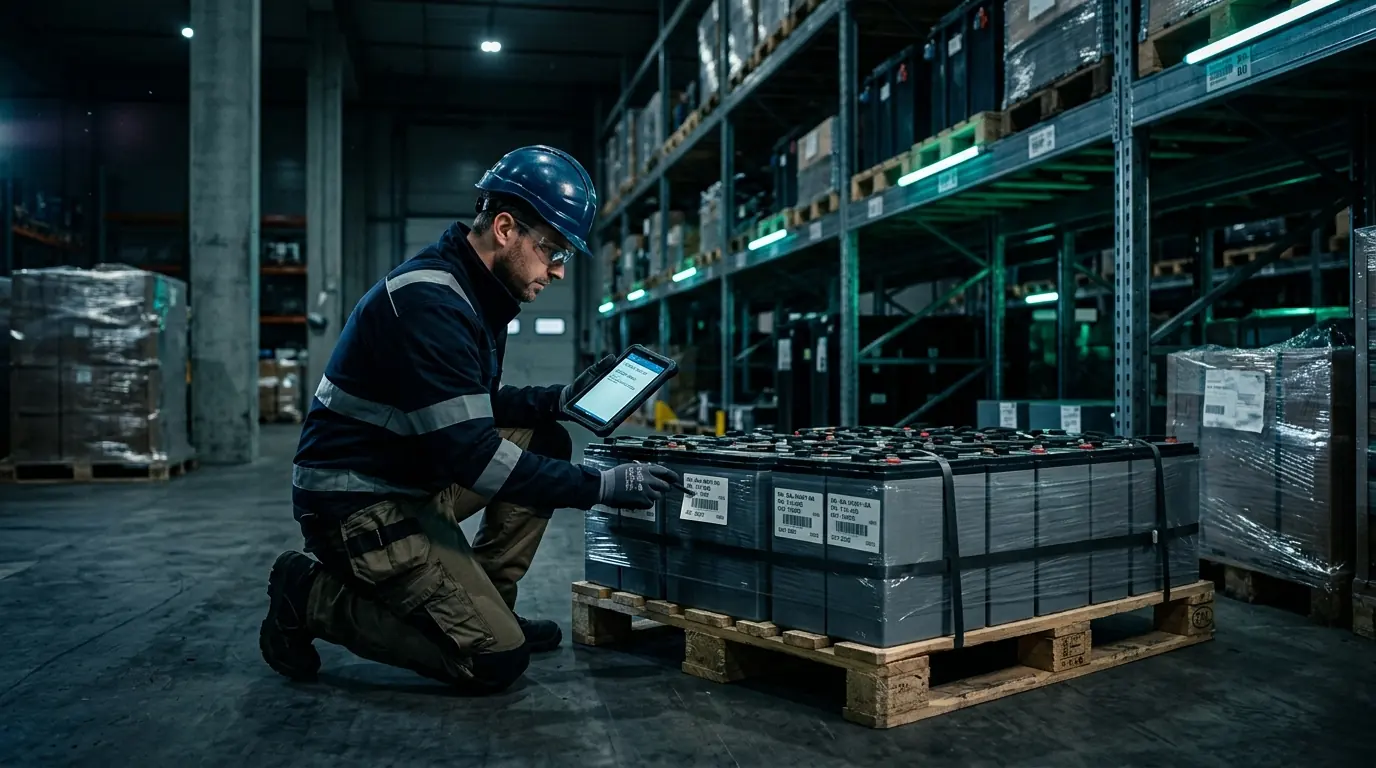
The rules that apply in Mexico
Mexico classifies spent lithium-ion batteries as hazardous waste under its NOM standards, and large generators must file waste management plans. Collectors, transporters and processors need SEMARNAT authorisation. Growing EV assembly in the north is making production scrap an important feedstock.
Northern states host a fast-growing automotive and battery supply chain serving North America, with much of today's volume coming from production scrap.
What producers and holders must do
Producer responsibility follows whoever placed the battery on the market, but the practical burden often lands on the fleet or workshop holding the retired asset.
- Register as a hazardous waste generator and file a management plan where required
- Use SEMARNAT-authorised transporters and treatment facilities
- Keep waste manifests and annual operating reports
- Obtain permits before exporting battery waste
Local permitting around Monterrey, Nuevo Leon
The yard operates under Mexican federal environmental rules administered by SEMARNAT, together with Nuevo León state requirements. Cross-border shipments need hazardous waste export authorisation and US import notification, and transport follows applicable dangerous-goods rules.
The document set
Hazardous materials transport follows SCT regulations, with lithium-ion batteries classed as Class 9. Each consignment carries a dangerous goods declaration, a transporter authorisation, a weighbridge record and a chain-of-custody sheet.
| Document | When | Purpose |
|---|---|---|
| Dangerous goods declaration | Before pickup | UN 3480 / UN 3481 classification and damage status |
| Chain-of-custody sheet | At handover | Links serials to transporter and destination |
| Weighbridge record | At gate-in | Verified mass for certificates and settlement |
| Recovery certificate | After processing | Quantity, recovery per metal and downstream vendors |
Booking a collection in the Monterrey, Nuevo Leon catchment
These site-specific notes help collections run on time.
- Cross-border shipments need permits in place well before collection.
- Plants can set up recurring scrap pickups.
- Declare chemistry and state of charge at booking.
- Damaged units are held in isolated storage.