EVBatteryRecycling
Guide · City & Regional Guides

Oslo EV Battery Retirement Guide: Safety, Paperwork and Value Factors

What operators, OEMs and workshops in Oslo, Norway need to know about retiring lithium-ion packs responsibly.

PN

Priya Nair

EPR & Compliance Lead

3 min read Updated 2026-07-16
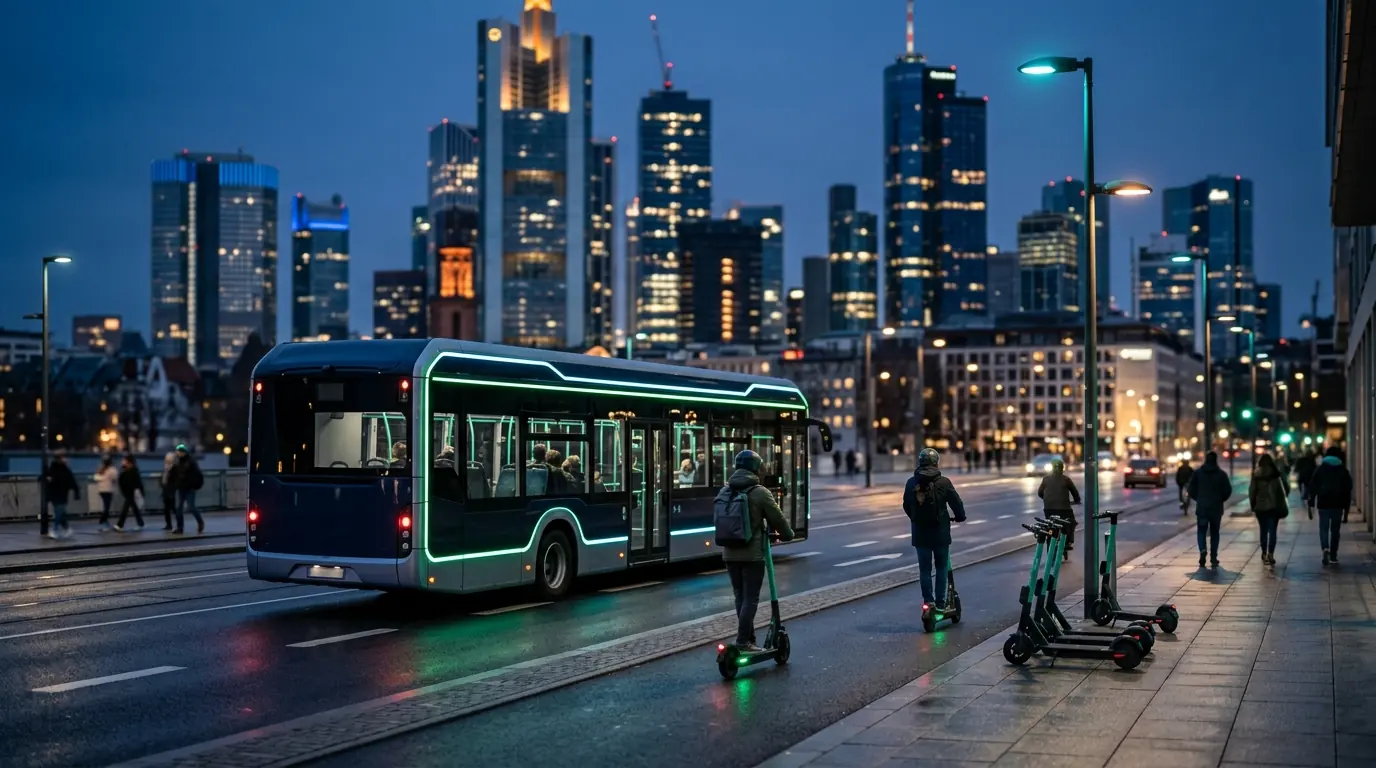
City street with electric buses and scooters at blue hour, modern skyline softly blurred

The short answer

EV batteries in Oslo are collected by our Gothenburg, Sweden site on a 48-hour pickup SLA across a 158 km radius, graded module by module, then repurposed or refined. As a metro collection zone, Oslo mainly produces fleet retirements & workshop returns, handled under EU battery rules as adopted through the EEA Agreement and the Norwegian Waste Regulations.

On this page5 sections

Key takeaways

  1. 1Oslo is served from Gothenburg — Nordic Second-Life Campus.
  2. 2Pickup SLA 48 hours across a 158 km radius.
  3. 3Typical material: fleet retirements & workshop returns.
  4. 4Rules: EU battery rules as adopted through the EEA Agreement and the Norwegian Waste Regulations.
01

Why Oslo matters

Highest EV penetration per capita — early end-of-life volumes. Active names in and around the city include Ruter e-bus, Hydrovolt partners.

Metro zones are where vehicles live and retire: ride-hailing and delivery fleets, e-bus depots, multi-brand workshops and dealer service centres. Volumes are steady but spread across many small sites, with a wide mix of chemistries and conditions.

ItemDetail
Serving siteGothenburg — Nordic Second-Life Campus (Second-Life BESS Works)
Pickup SLA48 hours
Coverage radius158 km
Collection cadenceScheduled milk runs, weekly in dense areas
Regulatory frameworkEU battery rules as adopted through the EEA Agreement and the Norwegian Waste Regulations
Collection at a glance — Oslo.
02

How collection works here

Collection runs as a scheduled milk run across depots, dealers and workshops, so single packs never sit for weeks in unventilated storage. Fleet operators can plan retirements against telematics data and book depot collections in batches.

Loads move in Class 9 compliant transport with pre-filled dangerous goods paperwork to Gothenburg, Sweden, where they are weighed, logged and graded.

  • Ride-hailing and delivery fleets
  • Electric bus depots
  • Dealer and multi-brand workshops
  • Battery swap operators
03

What the rules require in Norway

Norway applies EU battery legislation through the EEA Agreement. Producers must join an approved take-back scheme, and EV batteries must be collected and treated by permitted operators. Norway was an early EV adopter, so it is one of the first countries to see significant end-of-life EV volumes.

Transport follows ADR, and exports to EU treatment sites follow waste shipment rules.

  • Join an approved producer responsibility scheme
  • Hand retired packs only to permitted treatment operators
  • Report volumes to the environment agency
  • Follow EEA-adopted battery passport and recycled-content rules as they apply

Field note

Packs accumulating in small workshops without detection or separation is the most common safety failure in metro areas.
04

What you get paid and what you file

Settlement is quoted per pack after measured state of health, not by guesswork on age. Modules holding 75% or more of rated capacity settle at second-life rates; the remainder settle against black mass metal content.

Certificates carry achieved recovery percentages and downstream vendor disclosure for reporting under EU battery rules as adopted through the EEA Agreement and the Norwegian Waste Regulations.

Questions

Frequently asked questions

Where can I sell or dispose of an EV battery in Oslo?

Retired EV packs in Oslo should go to an authorised recycler rather than a general scrap dealer. Our Gothenburg, Sweden site collects across a 158 km radius on a 48-hour SLA and issues a certificate with every consignment.

How much is a used EV battery worth in Oslo?

Value is driven by chemistry and measured state of health rather than location. Packs above 80% SOH generally settle materially higher as second-life storage than as recycling feedstock.

Which regulator oversees battery waste in Norway?

Norwegian Environment Agency (Miljodirektoratet), under EU battery rules as adopted through the EEA Agreement and the Norwegian Waste Regulations.

Do you handle damaged or fire-affected packs in Oslo?

Yes. Damaged, defective and thermal-event packs are handled under a separate damaged-and-defective protocol with rigid containment and a dedicated declaration.

Turn this into a plan for your packs

Send pack counts, chemistry and approximate state of health. You get an indicative value split, a slotted collection window and pre-filled dangerous goods paperwork.

Run the yield calculator
Keep reading

More on city & regional guides