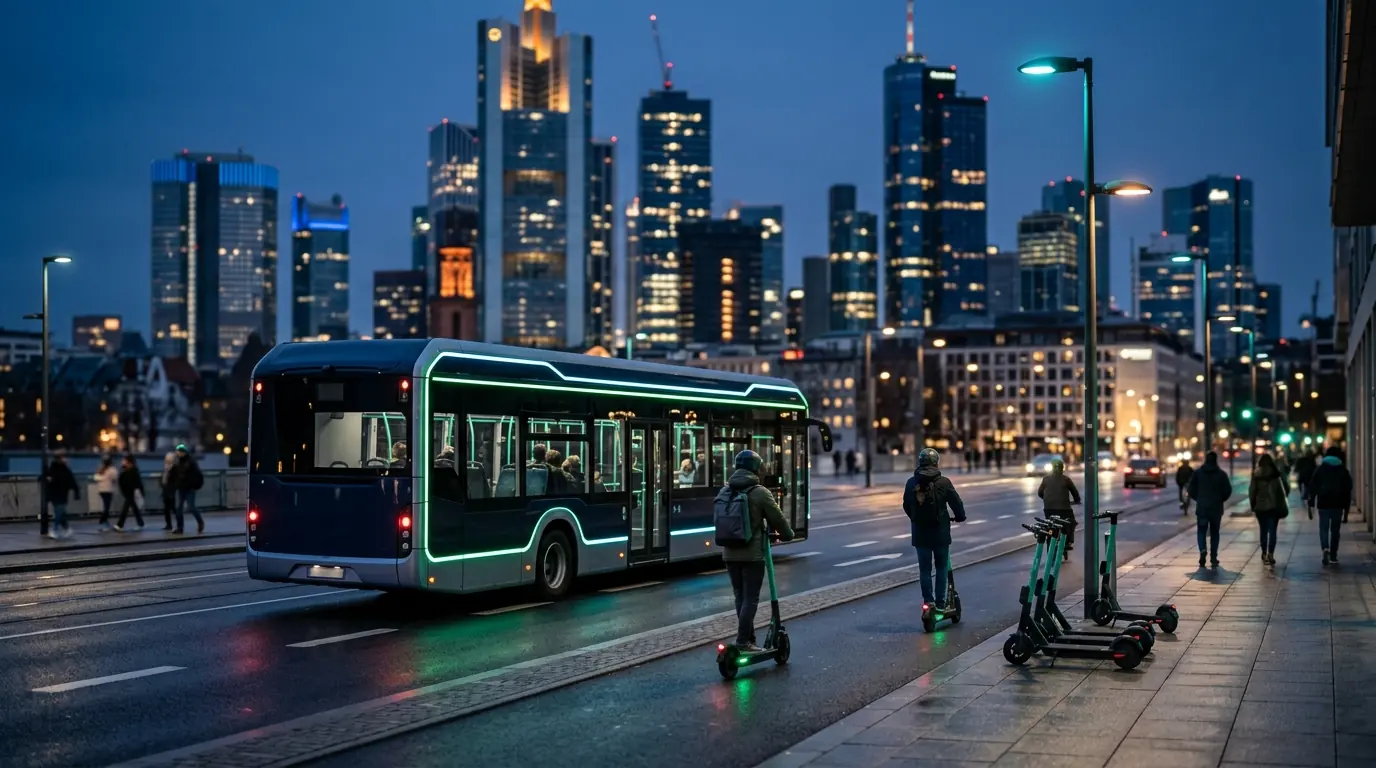
Why Amsterdam matters
Zero-emission zone fleet turnover and trading desks. Active names in and around the city include GVB e-bus, Ebusco.
Metro zones are where vehicles live and retire: ride-hailing and delivery fleets, e-bus depots, multi-brand workshops and dealer service centres. Volumes are steady but spread across many small sites, with a wide mix of chemistries and conditions.
| Item | Detail |
|---|---|
| Serving site | Rotterdam — Maasvlakte Refining Works (Hydrometallurgical Refinery) |
| Pickup SLA | 72 hours |
| Coverage radius | 218 km |
| Collection cadence | Scheduled milk runs, weekly in dense areas |
| Regulatory framework | EU Battery Regulation (EU) 2023/1542 and the Dutch Environmental Management Act |
How collection works here
Collection runs as a scheduled milk run across depots, dealers and workshops, so single packs never sit for weeks in unventilated storage. Fleet operators can plan retirements against telematics data and book depot collections in batches.
Loads move in Class 9 compliant transport with pre-filled dangerous goods paperwork to Rotterdam, South Holland, where they are weighed, logged and graded.
- Ride-hailing and delivery fleets
- Electric bus depots
- Dealer and multi-brand workshops
- Battery swap operators
What the rules require in Netherlands
The EU Battery Regulation (EU) 2023/1542 applies directly, replacing the old Batteries Directive with extended producer responsibility, collection and material recovery targets, recycled-content rules and, from February 2027, a digital battery passport for EV and larger industrial batteries. Dutch producers usually meet take-back duties through a collective scheme, and the country's ports make it a key gateway for battery and black mass shipments into and out of Europe.
Road transport follows ADR and sea transport follows the IMDG Code, with frequent transhipment through Rotterdam.
- Register as a producer and join a take-back scheme
- Use permitted processors and keep waste acceptance records
- Notify shipments of battery waste under the EU Waste Shipment Regulation
- Prepare battery passport data for in-scope batteries
Field note
What you get paid and what you file
Settlement is quoted per pack after measured state of health, not by guesswork on age. Modules holding 75% or more of rated capacity settle at second-life rates; the remainder settle against black mass metal content.
Certificates carry achieved recovery percentages and downstream vendor disclosure for reporting under EU Battery Regulation (EU) 2023/1542 and the Dutch Environmental Management Act.