EV battery recycling in Melbourne
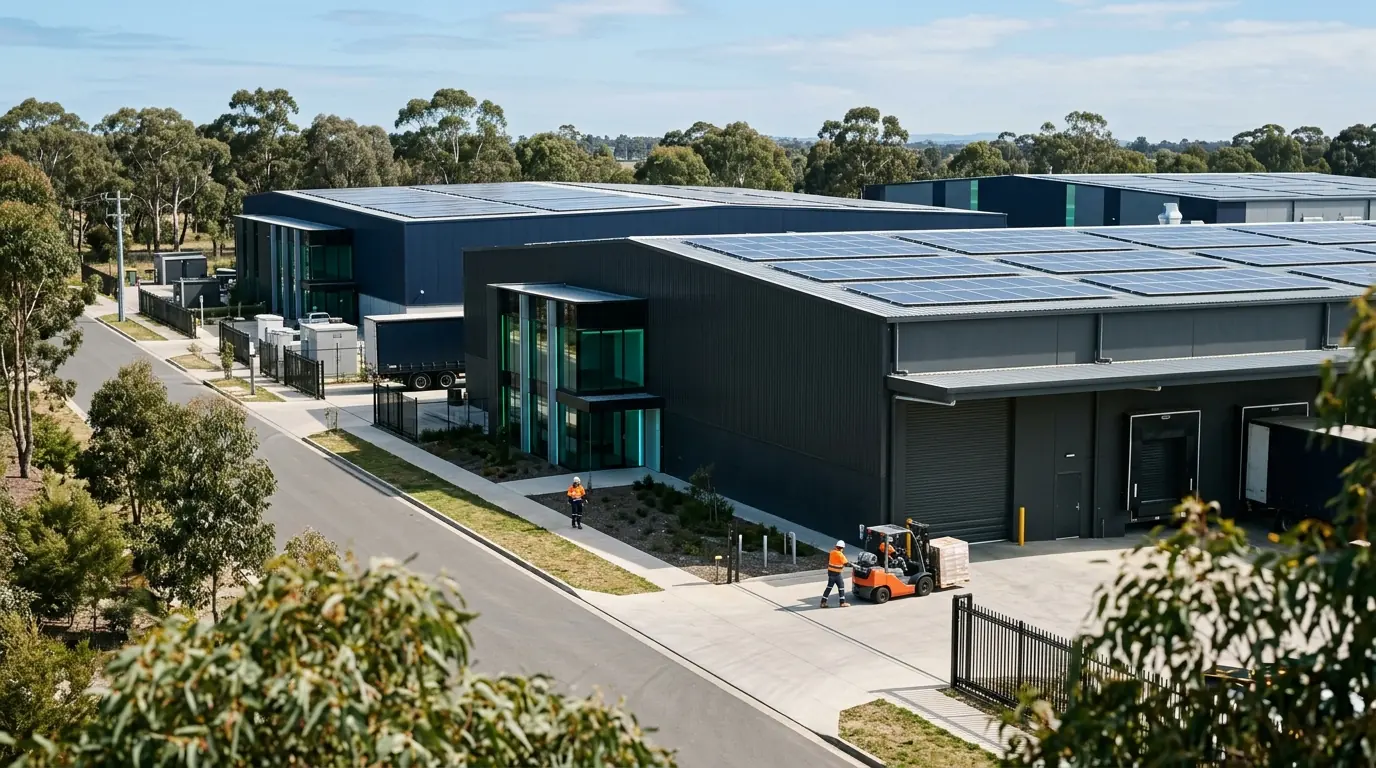
Southern hemisphere collection catchment and BESS demand. Collections are run from Melbourne — Victoria Collection Yard.
Pickup SLA
24 h
Coverage radius
87 km
Packs retiring / year
9,746
Catchment estimate
Active local names
2
Who we collect from in Melbourne
Metro zones are where vehicles live and retire: ride-hailing and delivery fleets, e-bus depots, multi-brand workshops and dealer service centres. Volumes are steady but spread across many small sites, with a wide mix of chemistries and conditions.
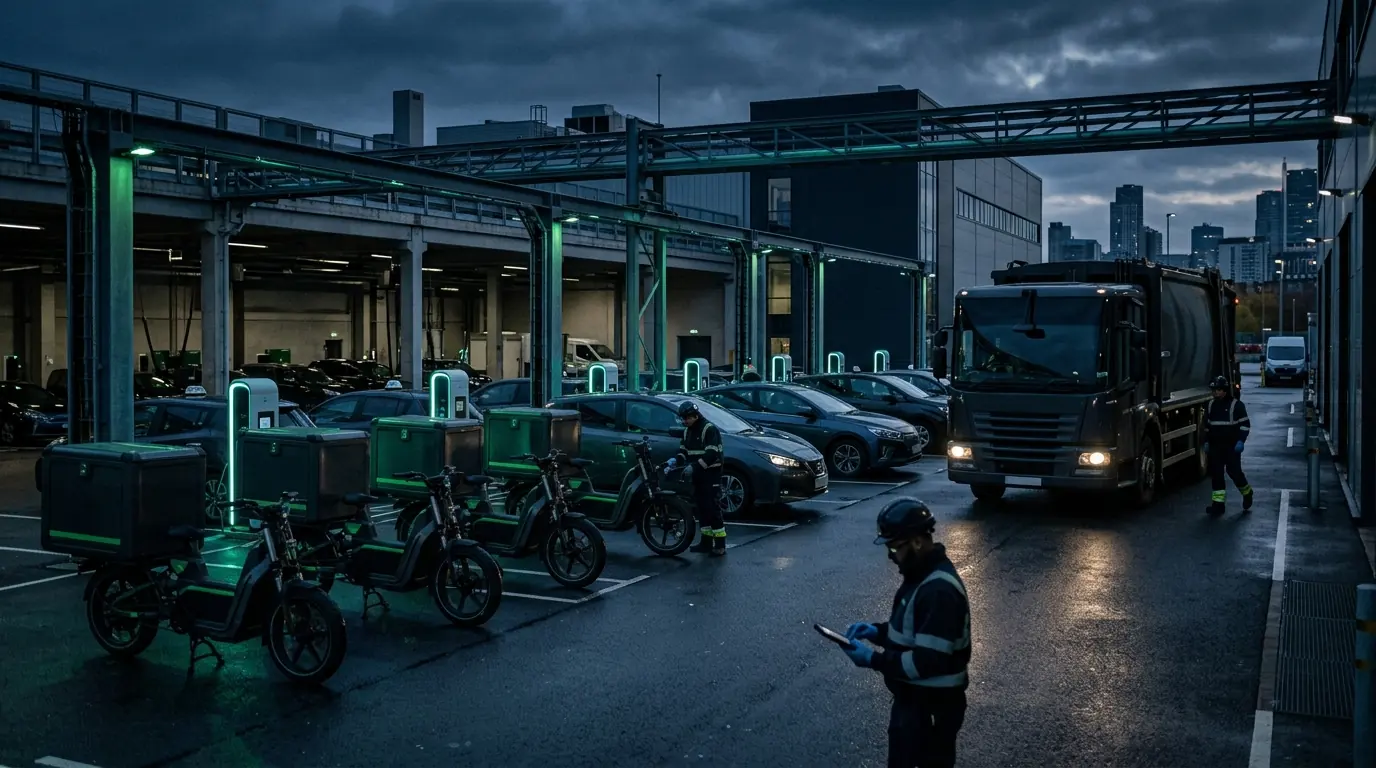
- Ride-hailing and delivery fleets
- Electric bus depots
- Dealer and multi-brand workshops
- Battery swap operators
How a Melbourne collection runs
Collection runs as a scheduled milk run across depots, dealers and workshops, so single packs never sit for weeks in unventilated storage. Fleet operators can plan retirements against telematics data and book depot collections in batches.
- 1
Book the consignment
Share pack counts, chemistry and approximate state of health. We return an indicative value split and a slotted collection window.
- 2
Compliant pickup
Class 9 certified transport with a pre-filled dangerous goods declaration, transporter authorisation and chain-of-custody sheet. Scheduled milk runs, weekly in dense areas.
- 3
Grading via Melbourne, Victoria
Every module is tested for capacity, DC resistance and impedance so value is set on measurement, not on age.
- 4
Certificate issued
A recovery certificate with achieved percentages per metal and downstream vendor disclosure, for reporting under Product Stewardship Act 2011 and state waste legislation.
The rules in Australia
Product Stewardship Act 2011 and state waste legislation
Regulator: DCCEEW (federal) and state EPAs
Australia has no mandatory national EV battery take-back scheme yet. Small batteries are covered by the voluntary B-cycle stewardship scheme, while an industry-led stewardship approach for EV and large-format batteries is still being developed. In practice, end-of-life packs are handled under state EPA waste licensing, and the export of battery waste or black mass needs a federal permit.
- Use a facility licensed by the relevant state EPA for storage and processing
- Hold a federal permit under the Hazardous Waste (Regulation of Exports and Imports) Act 1989 before exporting battery waste
- Keep dangerous goods documentation under the Australian Dangerous Goods Code for road transport
- Track state landfill bans on e-waste, which in several states capture batteries
Watch-out
Packs we collect around Melbourne
Common packs in the global market.
Recycling in Melbourne: common questions
Where can I recycle an EV battery in Melbourne?
Retired EV packs in Melbourne are collected on a 24-hour SLA across a 87 km radius and processed through Melbourne — Victoria Collection Yard. Book a pickup and the despatch desk confirms a window within one working day.
How much does EV battery recycling cost in Melbourne?
Most healthy packs carry positive value rather than a cost: modules above 75% state of health settle at second-life rates and the remainder settles against contained metal. Heavily damaged packs can carry a handling charge.
Which rules apply to battery waste in Melbourne?
Product Stewardship Act 2011 and state waste legislation, overseen by DCCEEW (federal) and state EPAs. Road movements follow the Australian Dangerous Goods Code, with lithium-ion batteries shipped as Class 9 under UN 3480 or UN 3481.
What kind of material do you collect in Melbourne?
As a metro collection zone, Melbourne mainly produces fleet retirements & workshop returns. Collections run scheduled milk runs, weekly in dense areas.
Retiring packs in Melbourne?
Pickups within 24 hours across 87 km, with dangerous goods paperwork pre-filled.